
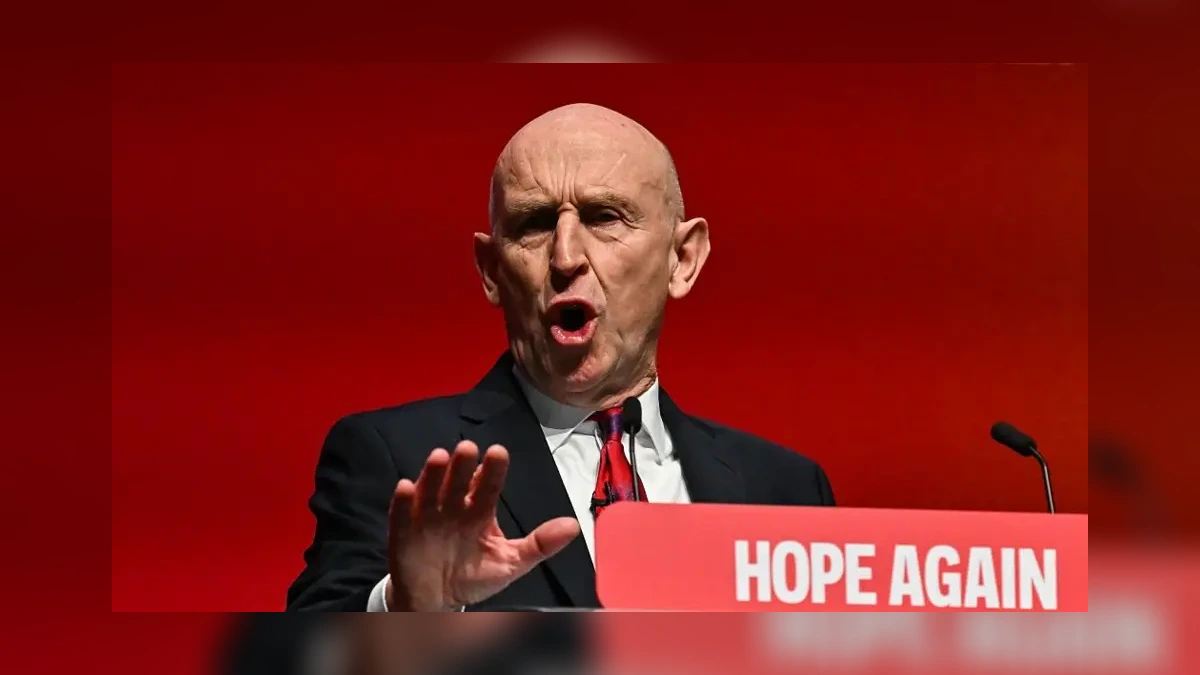
The UK economy recorded modest growth in August, adding to the pressure on Chancellor John Healey as he prepares to announce the government’s tax and spending plans later this month.
Figures released by the Office for National Statistics (ONS) show that gross domestic product (GDP) increased by just 0.1% during the month. The latest performance marks a slowdown from July, when the economy expanded by 0.4%.
The figures represent the final set of official economic growth data expected before Healey delivers his Budget at the end of October, leaving the government facing difficult decisions over public spending, taxation and borrowing.
Production Sector Supports Economic Expansion
Growth in August was driven primarily by an improvement in production, which includes manufacturing, oil and gas extraction, and energy supply.
However, the performance was uneven across the economy. The services sector, which accounts for the largest share of UK economic activity, recorded no growth during the month.
Construction also weighed on the overall figures, contracting in August and highlighting the challenges facing parts of the British economy.
The limited expansion suggests that the economy continues to face difficulties in maintaining momentum, despite recent improvements in forecasts from international economic institutions.
Healey Faces Pressure to Balance the Budget
The latest GDP figures arrive as Healey prepares to outline his fiscal plans, with the chancellor under pressure to balance the government’s financial commitments without relying on additional borrowing.
The challenge comes amid rising global borrowing costs, which have made debt management an increasingly important concern for governments.



Earlier this week, the International Monetary Fund (IMF) expressed support for the UK’s efforts to reduce debt levels. The organisation also offered a more positive assessment of the country’s growth prospects compared with those of several other major advanced economies.
Nevertheless, the relatively weak August figures underline the difficulty of delivering stronger economic growth while maintaining control over public finances.
IMF Offers More Optimistic Outlook for Britain
Speaking at the IMF’s annual meeting in Bangkok, managing director Kristalina Georgieva said the UK had a somewhat improved growth outlook compared with other members of the Group of Seven (G7).
The IMF’s assessment provided some encouragement for the government ahead of the Budget, particularly as economies around the world continue to contend with significant economic shocks.
The international body’s comments have offered Healey an opportunity to defend the government’s approach to managing the economy and reducing public debt.
Chancellor Vows to Maintain Economic Strategy
Healey arrived in Bangkok on Thursday for the IMF’s annual meeting, where he welcomed the organisation’s assessment of the government’s economic plans.
“I’m pleased the IMF here in Bangkok backed our economic plans in London,” he said.
He also argued that the UK was performing relatively well compared with other major economies, saying the IMF believed Britain stood out on growth despite the serious economic shocks affecting countries worldwide.
The chancellor pledged to “stay the path” as he prepares to present the Budget in approximately two weeks.
Budget Decisions Could Shape Britain’s Economic Outlook
With August growth coming in below July’s rate, the government faces the task of supporting economic activity while keeping its borrowing commitments under control.
The services sector’s lack of growth and the contraction in construction also point to weaknesses that could complicate efforts to strengthen the economy.
Healey’s upcoming Budget will therefore be closely watched by businesses, households and financial markets for indications of how the government intends to balance its spending priorities, tax policies and debt-reduction goals.
Although the IMF’s more favourable assessment offers some reassurance, the latest official figures show that Britain’s economic recovery remains modest.

