
The Universal Basic Education Commission (UBEC) is set to begin full implementation of its 10-Year Universal Basic Education Roadmap covering 2026 to 2035, with the rollout scheduled for the first week of October.
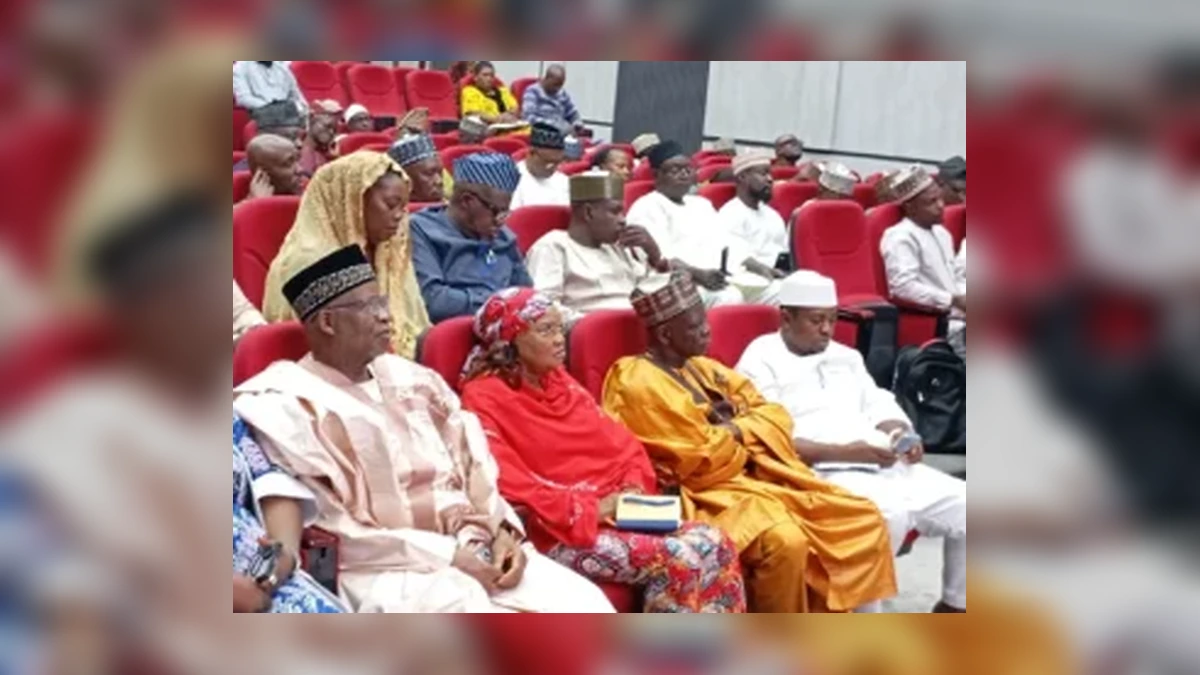
The Executive Secretary of UBEC, Dr Aisha Garba, announced the plan on Monday in Abuja during a two-day consultation involving chairmen of the 36 State Universal Basic Education Boards (SUBEBs) and UBEC directors.
The new roadmap is designed to provide a long-term framework for improving access, quality and management across Nigeria’s basic education system.
UBEC Moves From Isolated Projects to Whole-School Planning
Garba said the commission was changing the way education interventions are planned, with greater emphasis on addressing the full range of needs within individual schools.
Under the new “whole school approach”, states will be expected to assess a school comprehensively before submitting an intervention plan for approval.
This means projects will no longer focus narrowly on isolated infrastructure such as classroom blocks while leaving other essential facilities unattended.
“We are no longer going to be doing two blocks of classrooms in the bush and abandoning them without any fence or toilet,” Garba said.
She explained that a school requiring additional classrooms, fencing, toilets, furniture, computers or other facilities would have those needs incorporated into a coordinated intervention plan.
New Formula Gives States Greater Flexibility
The commission is also introducing a revised matching grant formula intended to give states greater flexibility in deciding how UBEC funds should be used.
According to Garba, the previous funding formula placed considerable emphasis on constructing new infrastructure, even when some states had more urgent needs involving existing schools.
The revised system will allow states to determine their priorities based on conditions on the ground.
“If the need on the ground is furniture, renovation, fencing, computers or other facilities, then states are allowed to address those needs,” she said.




The approach could also allow funding to support enrolment materials and additional teachers in areas experiencing rising student numbers.
Digital Platform to Track Education Projects
Garba also unveiled the Basic Education Action Plan Management System, known as BEAPMS, a digital platform intended to strengthen planning, transparency and monitoring of education interventions.
The system will provide communities with a greater role in tracking projects being implemented in schools.
Under the arrangement, information about the amount of UBEC funding accessed by individual states and the projects being financed will be published on the commission’s website.
Garba said this would enable parents and community members to scrutinise government spending and assess whether promised projects were being delivered to the required standard.
Communities Expected to Play Bigger Oversight Role
The UBEC executive secretary said the new system was intended to make accountability a shared responsibility involving government, schools and communities.
By making funding and project information publicly accessible, parents and community members will have greater opportunity to question how funds are being used.
The digital platform has reportedly been in development for more than a month, while SUBEB chairmen have already been onboarded ahead of the October implementation.
SUBEB Leaders Prepare for a Decade of Reform
Prof. Shehu Adaramaja, Dean of SUBEB Chairmen and chairman of the Kwara State Universal Basic Education Board, said the consultation would help stakeholders establish a common direction for basic education over the next decade.
He said participants would examine strategies for expanding access, improving service quality and strengthening education management systems.
Adaramaja described the workshop as a practical exercise, with directors of research and statistics expected to contribute directly to the development of state-level action plans.
UBEC Expands Focus Beyond Infrastructure
The consultation also reflects a broader shift in the scope of UBEC interventions.
Adaramaja noted that the commission’s responsibilities were no longer focused solely on physical infrastructure, with additional components now being incorporated to improve the overall delivery of basic education services.
The Director of Physical Planning at UBEC, Nura Ibrahim, said the workshop would give stakeholders an opportunity to review and validate the proposed 10-year roadmap.
He added that participants would contribute their technical expertise and practical experience to strengthen the implementation of basic education programmes across the states.
Ten-Year Plan Targets More Coordinated Education Delivery
With full implementation scheduled to begin in October, UBEC is positioning the 2026–2035 roadmap as a framework for more coordinated and needs-based investment in basic education.
The combination of whole-school planning, a revised funding formula and the BEAPMS digital monitoring system is intended to ensure that interventions respond more directly to the needs of individual schools while giving communities greater visibility over public education spending.

