
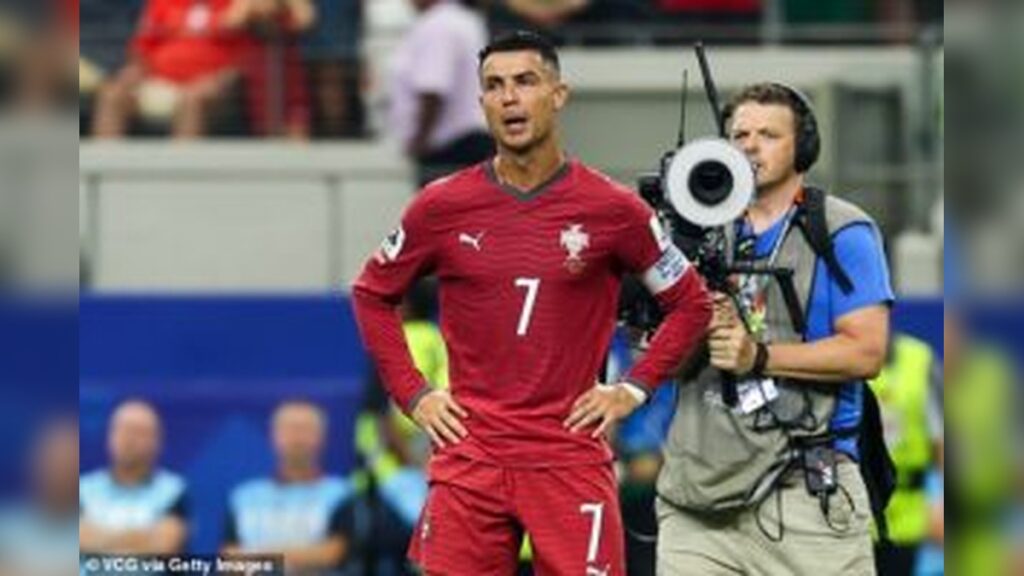
Portugal’s hopes of lifting the FIFA World Cup came to a heartbreaking end after a dramatic 1-0 defeat to Spain in the last 16, but the reaction back home has been focused as much on the team’s internal decisions as the result itself.
A late stoppage-time strike from Arsenal midfielder Mikel Merino sent Spain into the quarter-finals, leaving Portugal facing widespread criticism over its tactics, team selection, and leadership.
The elimination has already triggered major consequences, including the resignation of head coach Roberto Martinez.
Ronaldo’s Final World Cup Ends in Tears
The defeat also marked the end of Cristiano Ronaldo’s remarkable World Cup journey. At 41, the Portuguese captain appeared in his sixth tournament, becoming the first player to score in six different World Cups.
Ronaldo finished the campaign with three goals and further strengthened his status as Portugal’s all-time leading World Cup scorer.
However, his performances throughout the tournament divided opinion, with critics arguing that his place in the starting lineup was no longer justified.
After the final whistle against Spain, an emotional Ronaldo was seen leaving the pitch in tears before disappearing down the tunnel with his head bowed.
He later admitted his disappointment, describing the defeat as a painful way to conclude what he confirmed was his final World Cup appearance.
Portuguese Media Launches Fierce Attack
In the aftermath of the defeat, several Portuguese newspapers delivered scathing assessments of both Ronaldo and Martinez.
Leading publication A Bola argued that Portugal had become overly dependent on the veteran forward, insisting the team should have moved on sooner rather than continuing to build around him.
The newspaper claimed the striker’s influence had prevented necessary tactical decisions, suggesting Portugal may have produced a different tournament had younger attacking options received greater opportunities.
Questions Raised Over Team Selection
Much of the criticism centered on Martinez’s continued faith in Ronaldo despite calls for younger striker Goncalo Ramos to start.
Ronaldo featured in all five of Portugal’s World Cup matches and was substituted only once during the tournament.



Critics argued that he struggled to press opponents, contributed little defensively, and frequently drifted into offside positions, placing additional pressure on the rest of the team.
Former England striker Chris Sutton was among those questioning Martinez’s decisions, accusing the coach of allowing Ronaldo too much influence while overlooking more energetic attacking alternatives.
Roberto Martinez Pays the Price
The fallout from Portugal’s elimination quickly reached the dugout, with Martinez stepping down from his position following the tournament.
His departure ends a lengthy spell in international football that included managing both Belgium and Portugal.
Although Martinez guided Belgium to a third-place finish at the 2018 World Cup and later led Portugal to the 2024-25 UEFA Nations League title, critics believe he failed to maximize the extraordinary talent available to him.
Portuguese media described his leadership as overly cautious, arguing he lacked the authority to make difficult decisions when the team needed bold tactical changes.
Jorge Jesus Emerges as Leading Candidate
Attention has already turned toward Martinez’s possible successor.
Veteran Portuguese coach Jorge Jesus is widely reported to be the leading candidate to take charge of the national team.
The 71-year-old boasts decades of coaching experience and enjoyed considerable success with Benfica, winning three league titles during his time there.
Most recently, he worked with Ronaldo at Saudi Arabian club Al-Nassr, creating an existing relationship that could influence Portugal’s next managerial appointment.
Dressing Room Frustration Also Surfaces
The disappointment was not limited to the coaching staff.
Manchester City defender Ruben Dias appeared visibly frustrated following the match, abruptly ending a television interview before answering any questions after noticing Spain’s match-winner Mikel Merino conducting media duties nearby.
The tense atmosphere continued after the game, with teammate Nelson Semedo eventually becoming one of the few Portuguese players to speak publicly, doing so more than an hour after the final whistle.
The incident reflected the emotional impact of Portugal’s sudden exit and the frustration surrounding the team’s performance.
Injury Blow Added to Portugal’s Problems
Portugal’s task became even more difficult during the match after left-back Nuno Mendes was forced off through injury.
The defender had performed well in limiting Spain’s teenage star Lamine Yamal before his withdrawal disrupted Portugal’s defensive structure.
Although many supporters acknowledged the injury as an important turning point, the dominant discussion has remained focused on tactical choices and squad management rather than misfortune.
A Painful End to a Promising Campaign
Portugal entered the tournament with one of its strongest squads in recent history and genuine hopes of challenging for the title.
Instead, the campaign ended with disappointment, public criticism, and sweeping changes at the top of the national team.
For many observers, the defeat against Spain represents more than a single result—it has reignited debate over Portugal’s future direction, the transition away from Cristiano Ronaldo’s legendary era, and the leadership needed to guide the next generation onto the international stage.

