
Pope Leo XIV has called bishops and families from around the world to the Vatican for a weeklong gathering focused on marriage, family life and the challenge of passing the Christian faith to younger generations.
The meeting, taking place from Oct. 7 to 14, will bring together more than 150 bishops and 11 married couples representing five continents. The families will share their experiences of living and transmitting the faith in societies where religious belief is increasingly challenged by secularization.
The gathering coincides with the 10th anniversary of Amoris Laetitia, the apostolic exhortation issued by Pope Francis in 2016 following the Synod of Bishops on the family.
A Decade After Amoris Laetitia
The anniversary comes as the Church continues to reflect on the pastoral questions raised by Amoris Laetitia.
The document generated significant debate, particularly over its treatment of Catholics who are divorced and civilly remarried. The bishops of the Buenos Aires Pastoral Region interpreted the document as permitting, after a process of pastoral accompaniment and discernment, access to confession and the Eucharist for some people in such situations.
The Dicastery for the Doctrine of the Faith later confirmed in 2023 that this interpretation formed part of the Church’s authentic magisterium after it was included in the Acta Apostolicae Sedis, the official publication of the Holy See.
The upcoming Vatican meeting, however, is not intended to reopen the document for formal evaluation.
Vatican Says the Gathering Is Not About Reviewing the Text
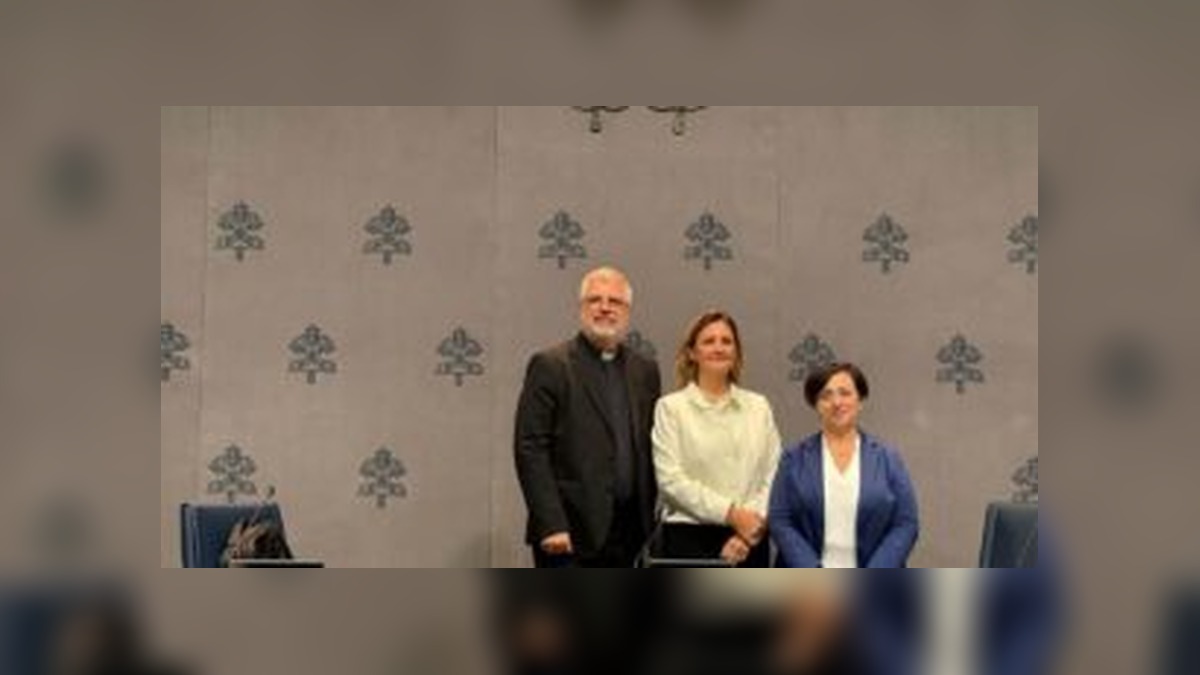
Gabriella Gambino, undersecretary of the Dicastery for the Laity, the Family, and Life, stressed that the purpose of the meeting is broader than assessing Amoris Laetitia.
She said the gathering will instead examine the realities facing families across different parts of the world and consider how the Church can respond to them.
According to Gambino, the Church should not seek to apply pastoral texts mechanically in every country because families experience very different cultural and social circumstances.
The central questions, she said, concern how faith is transmitted today, how families participate in that transmission and how they contribute to the life and mission of the Church.
More Than 200 Participants Expected
The gathering will bring together a broad representation of the Catholic Church.
The heads of the 15 Eastern Catholic Churches sui iuris will participate, with 14 represented by their patriarchs or highest authorities and one by a delegate.
The presidents of 115 bishops’ conferences around the world are also expected to attend, although Peru, Paraguay, Turkey and Ethiopia will send delegates instead. Representatives from territories without bishops’ conferences will also participate.
Pope Leo XIV has additionally selected 22 participants personally.




Another 67 people will take part, including representatives of the Dicastery for the Laity, the Family, and Life, members of the General Secretariat of the Synod, experts and facilitators.
Families Will Put Their Experiences at the Centre
The experiences of married couples will play an important role throughout the gathering.
Each morning will include testimonies from families, contributions from bishops and reflections from experts. The format is designed to ensure that pastoral discussions are informed not only by Church leadership but also by the lived experiences of Catholic families.
Orietta Rachele Grazioli, a professor of canon law and comparative family law and vice coordinator of the expert group, said the meeting’s methodology would revolve around two complementary ideas: listening and discernment.
Five Questions Will Shape the Discussions
The programme is organised around five major themes concerning marriage, family life and evangelization.
The first, “Families Today: Reality, Beauty, and Challenges,” will examine the changing circumstances facing families around the world.
The second will focus on young people and their discovery of marriage as a vocation, followed by discussions on the crucial early years of married life.
Another theme will examine how couples can be accompanied and supported when they encounter difficulties, while the final theme will focus on Christian families as participants in the Church’s mission.
Together, the themes are intended to explore both the challenges facing families and their potential contribution to the Church.
Changing Marriage Patterns Raise Concern
Gambino pointed to changing marriage patterns in different countries as evidence of the scale of the challenge.
She noted that religious marriages in Poland have declined by 45% over the past five years. In Australia, she said, the proportion of marriages celebrated religiously has fallen from 88% in 1970 to 16% in 2024.
For Gambino, such developments demonstrate the need for stronger support for couples as they consider marriage and for greater attention to the role families play in passing on religious faith.
Listening Rather Than Seeking Uniformity
Father Giacomo Costa, a consultant to the General Secretariat of the Synod, said the focus should not simply be on determining what Amoris Laetitia says.
Instead, he argued, the Church should consider what has been learned from attempts to put its principles into practice.
Pope Leo XIV’s participation in both the opening and closing sessions is intended to reinforce the emphasis on listening and discernment. The composition of the gathering itself, Costa said, reflects the desire to hear perspectives from different parts of the global Church.
No New Synod or Predetermined Outcome
Organisers have stressed that the gathering should not be viewed as another Synod on the Family.
Instead, it will use the synodal method to encourage discussion and reflection while drawing on the Church’s experience from previous synods and other forums.
Costa also said participants would not be working toward a predetermined conclusion. The objective is not to eliminate differences or manufacture consensus.
Daily reports will summarise discussions and provide a basis for further dialogue during afternoon sessions.
Final Summary Will Guide Future Pastoral Work
The meeting will end with a summary reflecting the discussions rather than a formal concluding document.
A commission will review the text to ensure that it accurately represents what emerged during the gathering.
Afterward, presidents of bishops’ conferences will be encouraged to develop initiatives within their local Churches based on the ideas and pastoral approaches that emerge.
The Vatican therefore hopes the October gathering will become less a verdict on Amoris Laetitia than an opportunity to understand how Catholic families are living their faith today — and how the Church can better support them in passing it on to future generations.
- Vatican Set to Unveil Major New Document as Catholic Church Faces Growing Faith Transmission Crisis
- Opus Dei Insider Breaks Silence on Controversies, Membership and the Catholic Group’s Future
- Exorcism Requests Surge Worldwide, Catholic Adviser Warns Against ‘Dangerous’ Occult Practices
- Texas Republicans Float Plans to Make Muslims ‘Uncomfortable’ as Religious Freedom Battle Intensifies
- 3,000 Catholics Gather in Washington as Dominican Rosary Pilgrimage Gains Momentum
- Vatican Confirms Abuse by Founder of Institute of the Incarnate Word After Years of Controversy

