
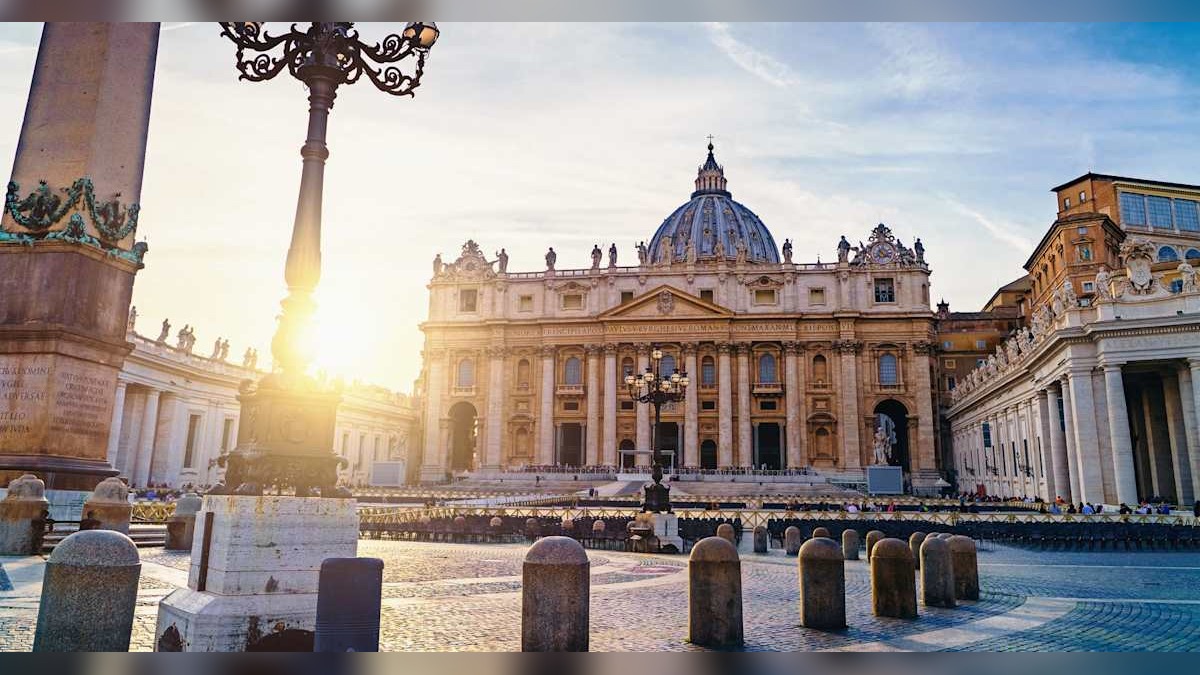
Argentine priest and theologian Father Fabricio Forcat has been appointed to the International Theological Commission (ITC), a Vatican body responsible for assisting the Holy See in examining important doctrinal questions.
Following his appointment on October 19, Forcat explained how the commission brings together theologians from different countries and backgrounds to contribute to the Church‘s understanding of theology and its role in evangelisation.
The commission operates under the Dicastery for the Doctrine of the Faith and provides studies and recommendations to the pope on matters of theological importance.
How the International Theological Commission Operates
Established by Pope St. Paul VI in 1969, the ITC is made up of theologians recognised for their knowledge and faithfulness to the Church’s Magisterium.
Its members are appointed by the pope for five-year terms following proposals from the cardinal prefect of the Dicastery for the Doctrine of the Faith and consultations with episcopal conferences.
The commission can have a maximum of 30 members. Its members gather for a plenary assembly once a year, with the findings of their studies presented to the pope.
Among the recent assignments given to the commission by Pope Leo XIV is a request to undertake studies clarifying the meaning of the tradition of the Church.
Women and Laypeople Take on Greater Roles
For the 2026–2031 term, the commission includes eight women, comprising six laywomen and two women religious. Its membership also consists of four laymen and 20 clerics.
Speaking to EWTN News Español, Forcat said the increased participation of women and laypeople reflected the wider reception of the Second Vatican Council.


He described the development as the result of the Church’s efforts to walk alongside the wider human family, which he said is surrounded by the love of God as creator and redeemer.
Forcat Describes the Commission’s Contribution to Evangelisation
Forcat said the commission provides an important service by bringing together the contributions of theologians from different parts of the world.
He explained that its work involves gathering and integrating the perspectives of men and women whose contributions help develop the Church’s understanding of evangelisation and theology.
According to the priest, the aim is to ensure theological work remains relevant to contemporary circumstances and supports the Church’s mission of evangelisation.
He also said theology must help keep the word of God present and alive within changing sensitivities and the realities experienced by different peoples and cultures.
Pope Leo XIV’s Planned Visit to Argentina
Forcat also discussed Pope Leo XIV’s planned visit to Argentina this month as part of a wider tour that includes Uruguay and Peru.
He said the pope’s visit would strengthen the faith and bring joy to the local Church, while encouraging it to respond to the demands of the present era and find creative ways to reach people.
The priest described the expected visit as an important period for evangelisation and the life of the Church in Argentina.
He also referred to the recent youth pilgrimage to the Shrine of Luján, which attracted approximately 2.7 million pilgrims.
Popular Religious Traditions Highlighted Ahead of the Visit
Forcat emphasised the importance of popular religiosity and said theology should also engage with the religious practices and traditions of local communities.
He expressed hope that this aspect of religious life would be reflected during the pope’s visit to Argentina.
The priest also referred to weather conditions and the El Niño phenomenon, which can bring heavy rainfall, saying he hoped they would not disrupt the planned activities during the papal visit.
Forcat’s comments were published by EWTN News Español, the Spanish-language sister service of EWTN News, before being translated and adapted into English.
