
A hiking trip to Japan’s iconic Mount Fuji has ended in tragedy after a Swiss tourist died following a medical emergency while climbing the country’s highest peak.
The fatality, confirmed by authorities on Friday, is the second recorded death since this year’s official climbing season began, highlighting the risks that continue to accompany the mountain’s growing popularity.
Hiker Suffers Medical Emergency on the Mountain
Police said the 58-year-old man lost consciousness while making his way up the 3,776-metre volcano.
Emergency responders managed to revive him before transporting him to hospital, but he was later pronounced dead after arrival.
The Swiss assisted dying organisation EXIT identified the deceased as its managing director, Bernhard Sutter, saying he suffered a medical emergency while visiting Japan with his family.
Elderly Woman Rescued After Spending Night on the Mountain
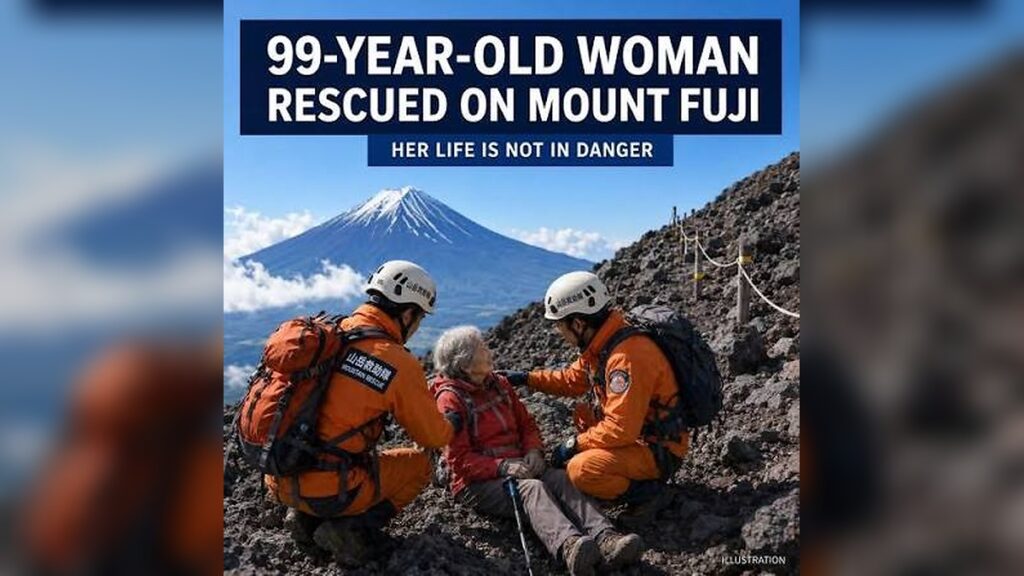
On the same day, rescue teams successfully evacuated a 99-year-old Japanese woman who became stranded after suffering an injury while climbing Mount Fuji.
She had taken shelter in a mountain hut overnight before emergency personnel reached her and brought her to safety.
Her rescue contrasted sharply with the tragic outcome involving the Swiss hiker, underscoring the unpredictable nature of climbing the famous peak.
Second Fatality Since Climbing Season Opened
The official Mount Fuji climbing season began on July 1, and Sutter’s death follows another fatal incident earlier this month.




Authorities said a 65-year-old Japanese man died on July 17 after reportedly falling and sustaining a serious head injury while on the mountain.
The two incidents have renewed concerns about climber safety during one of Japan’s busiest tourist periods.
Officials Urge Climbers Not to Overestimate Their Abilities
Police have appealed to visitors to carefully assess both their physical condition and changing weather before attempting the demanding ascent.
Officials advised hikers to abandon their climb if they begin feeling unwell and to choose routes that match their experience and fitness levels.
Mount Fuji’s ascent typically takes between five and ten hours, making proper preparation essential, particularly for inexperienced climbers.
Growing Tourism Has Increased Safety Concerns
Once regarded mainly as a sacred pilgrimage destination, Mount Fuji now attracts hundreds of thousands of visitors every year, including large numbers of international tourists.
The surge in popularity has brought increasing concerns over overcrowding, overtourism and the number of climbers attempting the trek without suitable equipment or adequate preparation.
Recent years have seen several high-profile rescue operations, including a Japanese climber who reportedly needed rescuing twice within two days, and a Chinese tourist who had to be rescued after returning outside the official climbing season to retrieve belongings he had left behind.
Japan Tightens Rules to Protect Visitors and the Mountain
In response to mounting safety concerns, Japanese authorities have introduced stricter access measures.
Yamanashi Prefecture, home to the popular Yoshida Trail, introduced a daily limit of 4,000 climbers in 2024 alongside a 2,000-yen climbing fee, which was doubled to 4,000 yen the following year.
Neighbouring Shizuoka Prefecture also implemented a 4,000-yen fee for hikers using its three main climbing routes.
Despite the tighter regulations, Mount Fuji remained one of Japan’s busiest attractions, welcoming just over 200,000 climbers last year, down from more than 220,000 the previous year.
Authorities recorded nine deaths during the 2024 climbing season, while no fatalities were reported in 2025 before this year’s tragic incidents.

