
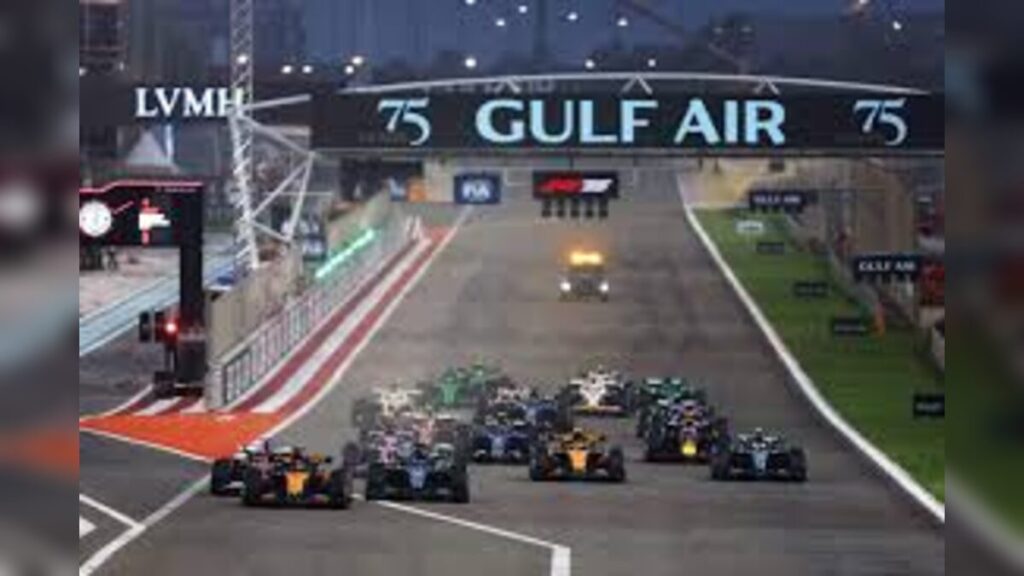
Formula 1 has officially cancelled the Bahrain Grand Prix and the Saudi Arabian Grand Prix due to escalating tensions and safety risks stemming from the ongoing conflict in the Middle East.
The FIA, the sport’s governing body, confirmed that these events cannot go ahead while the region remains unstable, prioritizing the safety of teams, staff, and fans.
The Bahrain Grand Prix at Sakhir, initially scheduled for April 10–12, and the Saudi Arabian race in Jeddah, set for the following week, will not be rescheduled or replaced on the 2026 calendar.
FIA President Mohammed Ben Sulayem emphasized that this decision was made after “careful evaluations,” reinforcing that safety comes first.
A Significant Gap in the Calendar
With these cancellations, the Formula 1 season will now feature 22 races instead of 24, creating a five-week break between the Japanese Grand Prix in late March and the Miami Grand Prix in early May.
While fans and teams may feel the disruption, the gap offers teams extra time to analyse early-season performance and continue development under the new engine regulations.
Exploring Replacement Venues
Before finalizing the cancellations, Formula 1 explored alternative venues to fill the gaps.
Options included Portugal’s Autódromo Internacional do Algarve, Italy’s Autodromo Internazionale Enzo e Dino Ferrari, and Turkey’s Istanbul Park.
Ultimately, organisers concluded that staging a race at short notice would be too complicated due to logistics, ticketing, and stretched personnel resources.
Financial Implications for the Sport
The cancellations are expected to cost Formula 1 more than £100 million, as Bahrain and Saudi Arabia contribute some of the highest hosting fees in the sport.
These fees are shared between the teams and the Formula One Group, making the financial hit substantial.



While significant, officials stress that safety considerations outweighed financial concerns.
Impact and Consequences
-
Financial losses: Teams and the commercial rights holder face a multi-million-pound setback.
-
Team strategy: The longer break gives teams more time to analyse rivals and adapt to new engine rules.
-
Fan experience: Middle East fans will miss two of the most anticipated races of the season.
-
Calendar reshuffling: Other races now carry added significance as the championship continues with fewer events.
What’s Next?
Formula 1 will continue with its 2026 calendar of 22 races, focusing on safety while monitoring geopolitical developments.
Teams are expected to use the extra downtime for technical development, testing, and race preparation.
The sport will also assess any long-term impact on future Middle East races, though there is no indication yet that these events will be permanently removed.
Summary
In response to regional instability, Formula 1 has cancelled the Bahrain and Saudi Arabian Grands Prix, prioritizing safety over financial and logistical concerns.
The season will now run with 22 races, creating an extended break that teams can use to refine strategies and adapt to new engine regulations.
The financial impact is notable, but officials insist that no alternative venue could realistically replace the lost races.
Bulleted Takeaways
-
Formula 1 cancels Bahrain and Saudi Arabia Grands Prix due to security concerns.
-
The season now features 22 races instead of 24, leaving a five-week gap between Japan and Miami.
-
The cancellations are expected to cost the sport over £100 million in lost hosting fees.
-
Teams gain extra time to analyse early races and develop engines under new regulations.
-
Alternative venues were considered but deemed unfeasible due to logistics and personnel constraints.

