
The Federal Government is advancing plans for an agricultural livelihood initiative aimed at helping 63,000 vulnerable households move from social assistance towards sustainable income generation.
The proposed programme, known as the Renewed Hope Resilient Livelihood Pathways Programme, is being developed through a partnership between the Ministry of Humanitarian Affairs and Poverty Reduction and the Bank of Agriculture (BOA).
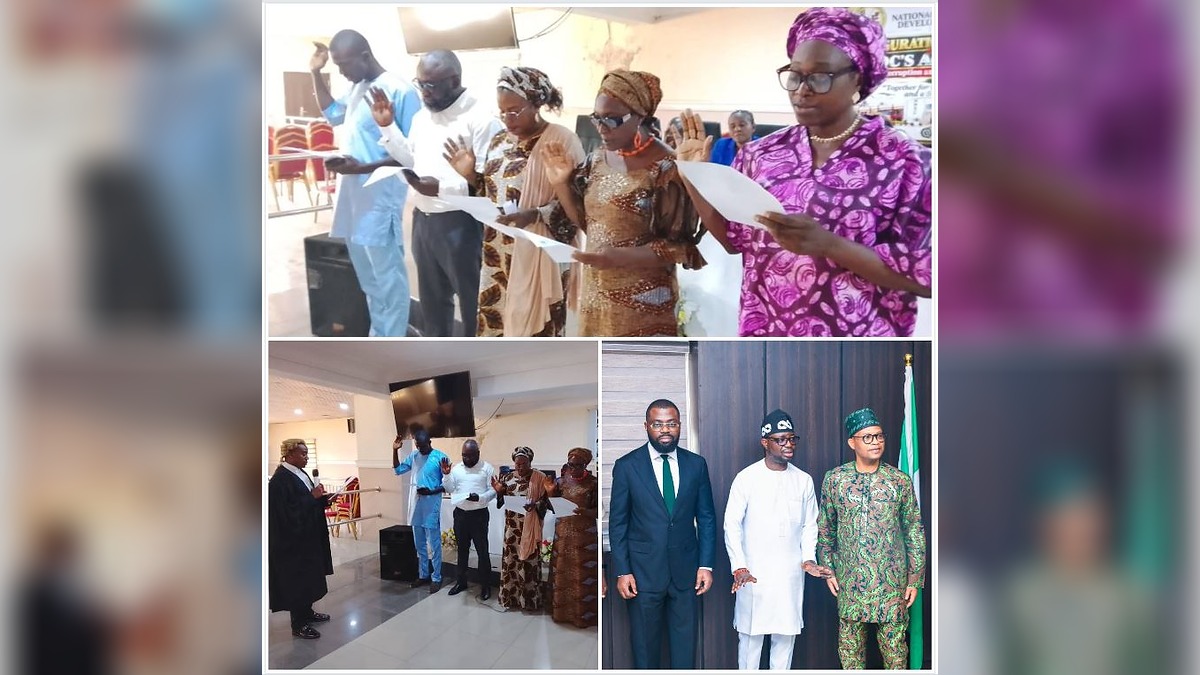
Humanitarian Affairs and Poverty Reduction Minister Dr Bernard M. Doro inaugurated a Joint Technical Working Group in Abuja to develop the programme’s implementation framework, with a focus on crop farming, agricultural financing, training and access to organised markets.
The initiative is intended to connect vulnerable Nigerians with productive economic opportunities rather than relying solely on immediate relief.
Nine States Proposed for Initial Rollout
The proposed first phase is designed to cover 63,000 households across nine states, with approximately 7,000 households expected to participate in each state.
The proposed pilot states are Kano, Jigawa, Kebbi, Bauchi, Plateau, Benue, Ondo, Ebonyi and Cross River.
Under the plan, beneficiaries would receive support to enter crop farming through agricultural input financing, targeted grants, technical training, access to secured farmland and organised market connections.
The Ministry’s One Humanitarian, One Poverty Response System (OHOPRS) is expected to help identify and verify eligible households.
The final scope and operational arrangements will depend on the technical team’s review and the subsequent consideration of its implementation plan.
Doro Urges Officials to Prioritise Sustainable Poverty Reduction
During the inauguration, Doro stressed that government interventions should provide vulnerable Nigerians with opportunities to build lasting livelihoods and become economically self-reliant.
He said citizens deserved a pathway out of poverty through productive activities, adding that humanitarian support should go beyond immediate relief to establish sustainable sources of income.
The minister linked the initiative to President Bola Ahmed Tinubu’s Renewed Hope Agenda, particularly its commitment to reducing poverty through inclusive and sustainable economic opportunities.
He charged members of the working group to approach their assignment with urgency and develop a practical, comprehensive and technically viable plan.
Doro also called for transparency, clear institutional responsibilities, effective coordination and regular reporting to strengthen accountability and ensure that implementation challenges are addressed promptly.




Bank of Agriculture Proposes Structured Farming Model
Bank of Agriculture Managing Director and Chief Executive Officer Ayodeji Oludare Sotinrin presented the proposed operational framework, explaining how verified households could be connected to agricultural production and organised markets.
A central feature of the proposal is an in-grower aggregator model. Under this arrangement, participating households would receive agricultural inputs and technical guidance while aggregators coordinate production support and market access.
The model is intended to improve agricultural output, strengthen household incomes and create a more structured process for recovering financing through the sale of farm produce.
Sotinrin said the proposed first phase would concentrate on crop farming, supported by secured farmland, agricultural input financing and organised produce offtake.
Training and Market Access to Support Farmers
The proposed framework includes mandatory training before financing is disbursed, with beneficiaries expected to receive guidance on agricultural production and related requirements.
Aggregators would play a coordinating role by arranging input supplies, providing technical assistance, monitoring farming activities and facilitating the sale of harvested produce.
The arrangement is also expected to support repayment mechanisms linked to produce sales, helping to establish a structured relationship between financing, production and income generation.
Sotinrin highlighted the importance of transparent beneficiary selection, clear institutional responsibilities and effective monitoring. He also pointed to a phased graduation approach designed to help participating households progressively strengthen their productive capacity and move towards economic independence.
These arrangements remain part of the programme’s proposed framework and are subject to further technical development.
Ministry and BOA Asked to Maintain Close Coordination
Doro directed the working group to maintain regular communication with both the Ministry and the Bank of Agriculture throughout the planning process.
He said members should provide progress updates and promptly raise any issues that could delay the development of the programme.
The team is expected to harmonise contributions from the participating institutions and address key implementation requirements, including beneficiary verification, financing arrangements, access to land, training, input distribution, market connections, repayment, monitoring and evaluation.
Once completed, the implementation plan will be submitted to the minister and the Bank of Agriculture’s managing director for consideration and further direction.
Permanent Secretary Welcomes Progress on Partnership
Permanent Secretary of the Ministry Olubunmi Olusanya emphasised the need to accelerate the programme’s technical preparations.
He welcomed the working relationship between the Ministry and the Bank of Agriculture, noting that progress following the recent signing of their partnership agreement demonstrated the importance of sustained institutional collaboration.
Olusanya assured the bank of the Ministry’s continued support in developing a workable and sustainable framework for the initiative.
Earlier, the Director of the Social Development Department, Valentine Ezulu, delivered the welcome remarks, describing the programme as timely in advancing the Ministry’s poverty-reduction mandate.
Ezulu also stressed the importance of cooperation between institutions in creating sustainable livelihood opportunities for vulnerable communities.
Government Seeks to Link Humanitarian Assistance With Economic Opportunity
The Ministry reaffirmed its commitment to partnerships and approaches that connect humanitarian assistance with productive activities, economic inclusion and long-term poverty reduction.
Through the proposed agricultural programme, the government aims to help vulnerable households develop more sustainable sources of income while contributing to national development.
The inauguration of the technical working group marks a planning stage in that effort. The next major task is to finalise the operational framework, clarify the responsibilities of participating institutions and establish the mechanisms needed to identify beneficiaries and deliver support.
The programme’s eventual impact will depend on how effectively these plans are translated into implementation, including the delivery of financing, training, farmland access and reliable markets for participating households.

