
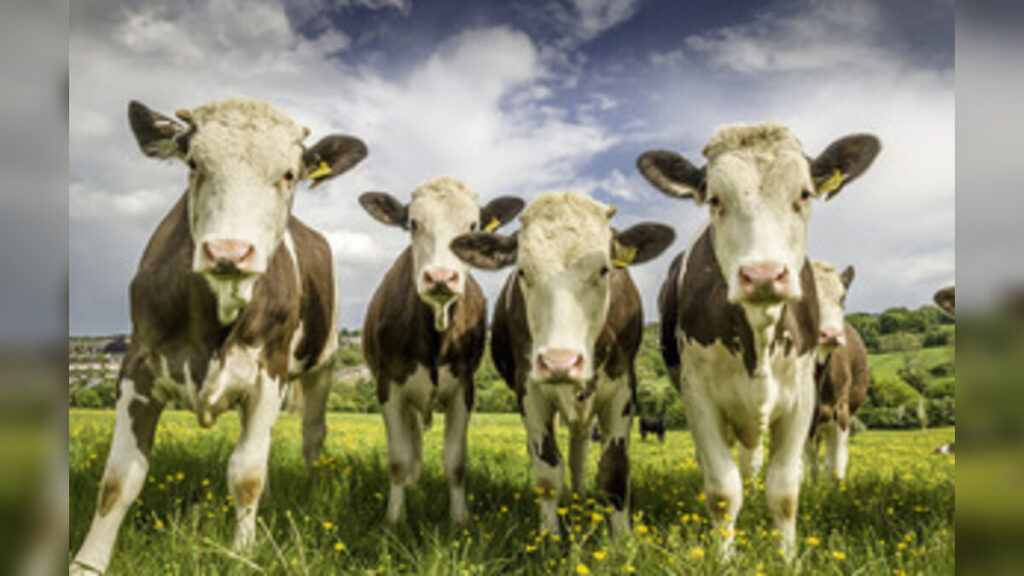
The Bluetongue virus (BTV) continues to affect livestock across Great Britain, with ongoing surveillance, testing, and biosecurity measures being implemented to contain its spread.
Farmers and keepers are urged to remain vigilant and report any suspicious signs in their animals.
Total Number of Cases
As of the 2025–2026 season, a total of 320 confirmed cases of Bluetongue have been recorded in Great Britain since 1 July 2025:
-
England: 298 cases, including 289 of BTV-3, 2 of BTV-8, and 7 with both BTV-3 and BTV-8.
-
Wales: 22 cases, all BTV-3.
-
Scotland: No confirmed cases.
-
Northern Ireland: 5 confirmed BTV-3 cases.
A comprehensive Bluetongue case map is available showing all affected premises.
Recent Developments
Several cases in England were reported in March 2026:
-
9 March: Two BTV-3 cases in calves with neurological symptoms in Devon and Cheshire.
-
6 March: One BTV-8 positive bull in Cornwall following semen collection.
-
5 March: Three BTV-3 cases in Cornwall with congenital neurological issues.
-
Earlier in March: Cases were reported across Devon, Staffordshire, Cumbria, and Oxfordshire, involving calves with neurological issues, abortions, and lesions.
These reports highlight the ongoing vigilance required, particularly for newborn calves and breeding stock.
Risk Level
-
Current temperatures in England are low, reducing vector activity and making the risk of onward spread negligible.
-
Medium risk remains for incursion of new serotypes or infection via germinal products.
-
Airborne spread is now considered negligible.
Control Zones
-
England: Entire country designated as a restricted zone. Livestock movements within England require no special license or testing, but germinal products require testing and licencing.
-
Wales: Entire country under a restricted zone since 10 November 2025. Livestock movements between England and Wales no longer require vaccination, but germinal products still require testing.
The Bluetongue zone map provides detailed guidance.
Moving Animals and Products
Key points for keepers include:
-
Moving livestock and germinal products within restricted zones.
-
Licences for movement to Scotland or Wales.
-
Freezing and storing semen, ova, and embryos.
-
Special rules for moving animals from Northern Ireland to Great Britain.
Suggested Readings (News continues below)




Vaccination and Biosecurity
Vaccination against BTV-3 remains recommended for susceptible livestock. Farmers should implement strict biosecurity practices to prevent spread:
-
Quarantine new arrivals.
-
Monitor animals closely for symptoms.
-
Report suspected cases promptly.
Livestock Identification and Movement Rules
-
All cattle, bison, and buffalo in England and Wales must be properly tagged and recorded.
-
Sheep and goats have specific identification and movement rules.
-
Deer keepers must follow tagging, record-keeping, and movement regulations.
-
Camelid owners should contact the Animal and Plant Health Agency (APHA) for guidance.
Imports and Exports
Rules for importing and exporting animals or animal products must be strictly followed to prevent the introduction or spread of bluetongue.
This includes EU trade considerations and certification requirements.
Defra’s Bluetongue Control Strategy
Defra’s strategy follows the Bluetongue: disease control framework in England. Measures include:
-
Monitoring and reporting outbreaks.
-
Implementing movement restrictions.
-
Facilitating vaccination programs.
-
Educating keepers through webinars, leaflets, videos, and posters.
Historically, the UK has experienced outbreaks of BTV-3, BTV-8, and BTV-12, with the last BTV-8 outbreak occurring in 2007–2008.
The first BTV-3 case of the 2025–2026 season was confirmed on 11 July 2025.
Impact and Consequences
Bluetongue infections can lead to:
-
Abortion and stillbirths in livestock.
-
Neurological damage in calves.
-
Reduced fertility and production losses.
-
Economic losses due to restrictions on animal movement and trade.
Farmers face ongoing vigilance costs and potential disruptions to breeding programs.
What’s Next?
-
Continued monitoring and reporting of suspected cases.
-
Targeted vaccination campaigns to protect susceptible animals.
-
Ongoing biosecurity enhancements at farms and movement checkpoints.
-
Review of import and export regulations to mitigate risks.
Summary
Bluetongue remains a concern for the UK livestock industry.
While vector activity is low, cases continue to appear, particularly in calves and breeding stock.
Strict adherence to control measures, vaccination, and reporting remains essential.
Bulleted Takeaways
-
320 cases of Bluetongue reported in Great Britain since July 2025.
-
England accounts for 298 cases; Wales 22; Scotland none; Northern Ireland 5.
-
New BTV-3 and BTV-8 cases continue to emerge in March 2026.
-
Entire England and Wales are under restricted zones with specific rules for germinal products.
-
Vaccination and biosecurity are key to controlling spread.
-
Movement of livestock and germinal products must comply with APHA regulations.
-
Defra provides guidance through webinars, leaflets, and maps.
-
Historical outbreaks include BTV-3, BTV-8, and BTV-12, with significant economic impact.

