
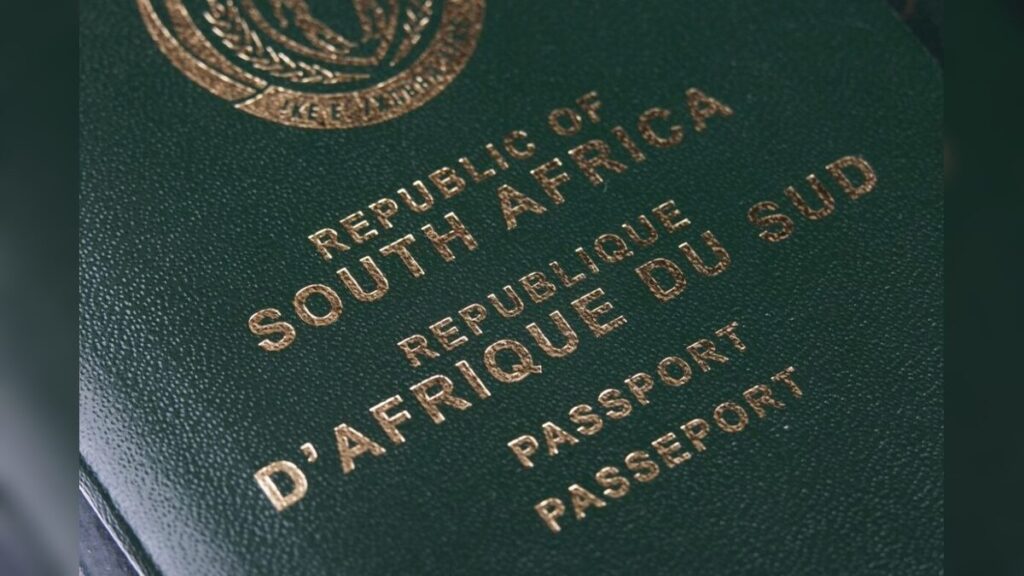
Recent revelations of corruption within South Africa’s Department of Home Affairs are raising alarms about the future travel power of the South African passport.
Experts warn that systematic misconduct, including the sale of visas, permanent residence, and even identities to foreign nationals, could undermine global confidence in the country’s immigration system.
Acting head of the Special Investigation Unit (SIU), Leonard Lekgetho, described the department as being treated like a “marketplace” where permits were sold to the highest bidder.
This paints a picture of systemic vulnerabilities rather than isolated incidents.
Why Trust in the Passport Matters
Candice Magen, CEO of visa advisory firm Abroadscope, highlighted that a passport’s value goes beyond economic strength or diplomatic relations—it’s about trust.
When a nation’s identity systems are compromised, other countries may question the authenticity of documents issued, affecting all legitimate travelers.
“Identity integrity, biometrics, audit trails and the ability to prevent manipulation are key,” Magen explained.
“If a passport cannot be trusted, visa-free travel is at risk.”
Recent Precedent: Ireland’s Visa Restrictions
South Africa has already seen consequences of such concerns.
In 2024, Ireland revoked visa-free access for South African passport holders due to fears over fraudulent passports being used for asylum claims.
Interpol later confirmed the SIU’s findings, demonstrating the international implications of internal corruption.
Reform Is Critical to Restore Confidence
The good news, according to experts, is that the reputation of the South African passport isn’t permanently damaged.




With effective reforms—such as improved biometric systems, digitized controls, and stricter oversight—confidence can be rebuilt.
However, these measures require consistent effort and strong enforcement to be effective.
Magen emphasized: “The fix isn’t complicated to describe, but implementing it properly is challenging.
Visible, sustained improvements are essential to regain trust globally.”
Impact and Consequences
-
Potential loss of visa-free access to key countries.
-
Increased scrutiny and delays for legitimate travelers.
-
Damage to South Africa’s international credibility and tourism industry.
-
Stricter verification measures may be implemented by foreign governments.
What’s Next?
-
The SIU investigation will continue, and more officials could be implicated.
-
Government reforms to strengthen Home Affairs systems are expected.
-
Travelers may need to monitor changes in visa requirements and international guidance.
Summary
Corruption within South Africa’s Home Affairs is threatening the integrity of the nation’s passport system.
Trust in documentation is essential for visa-free travel, and without swift reforms, South African travelers may face stricter controls abroad.
Restoring confidence requires structural improvements, oversight, and enforcement.
Bulleted Takeaways
-
Home Affairs officials sold visas, permanent residence, and identities to foreign nationals.
-
Trust in South African passports is crucial for maintaining global travel privileges.
-
Ireland revoked visa-free access in 2024 due to fraud concerns.
-
Effective reforms in biometrics, digitization, and oversight are necessary.
-
Travelers and businesses must prepare for potential changes in visa rules.

