
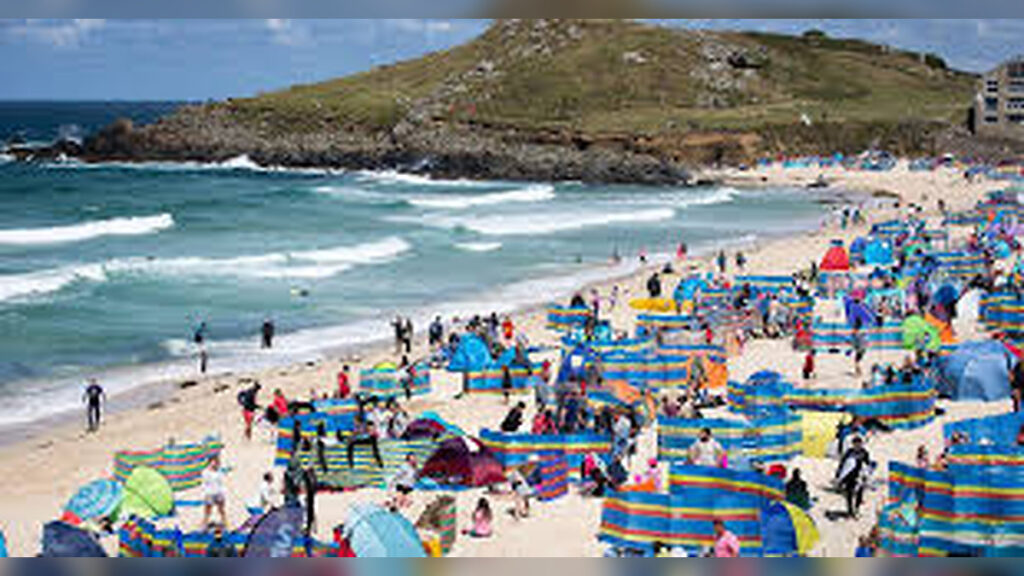
As rising travel costs and uncertainty surrounding overseas holidays encourage more Britons to remain closer to home, Cornwall is once again preparing for a busy summer season.
With its dramatic coastline, picturesque beaches, and postcard-perfect villages, the county continues to rank among the UK’s most sought-after holiday destinations.
Yet for those who live there year-round, the reality of peak tourist season can look very different from the idyllic images often shared online.
Growing Visitor Numbers Highlight Infrastructure Pressures
For many residents, the influx of visitors brings challenges that extend far beyond crowded beaches.
Narrow roads become heavily congested, parking spaces disappear quickly, and overflowing bins become a common sight.
During the busiest periods, even simple errands can become lengthy journeys as traffic grinds through towns and villages designed long before modern tourism reached its current scale.
While many describe the problem as overtourism, some locals argue that decades of insufficient investment in infrastructure have left Cornwall struggling to cope with the popularity it actively promotes.
Falmouth Fails to Live Up to Its Reputation
Often praised as one of Cornwall’s trendiest destinations, Falmouth attracts visitors with its maritime heritage, beaches, cafés, and watersports scene.
However, despite its strong reputation, not everyone is convinced by the town’s appeal.
Critics point to issues including overflowing waste bins, large numbers of seagulls, and sections of the town centre that can feel neglected during busy periods.
While residents are frequently praised for their friendliness and welcoming nature, some visitors leave feeling the destination does not fully justify its glowing reputation.
Padstow’s Popularity Divides Opinion
Padstow remains one of Cornwall’s most recognisable tourist hotspots, thanks in part to its thriving food scene and celebrity chef connections.
Yet its popularity has also made it a target for criticism.
During summer, packed streets, expensive accommodation, and traffic congestion can overshadow the charm of the historic fishing port.
Some observers argue that the town has become a symbol of a tourism economy where premium prices and luxury branding often take precedence over authenticity.
Questions Raised Over the Evolution of the Eden Project
For years, the Eden Project has stood as one of Cornwall’s flagship attractions, celebrated internationally for its giant biomes and environmental message.
However, critics suggest the attraction has expanded far beyond its original botanical focus.




Concerts, conferences, sporting activities, and seasonal events now occupy a significant part of its calendar.
Supporters view this diversification as necessary for long-term success, while detractors believe the attraction risks drifting away from the purpose that made it famous.
Safety Concerns Overshadow Social Media Favourite Pedn Vounder
Pedn Vounder has become one of Cornwall’s most photographed beaches, attracting visitors with crystal-clear water and dramatic scenery.
Yet behind the stunning images lies a more complicated reality.
Strong currents and dangerous sea conditions have led to numerous emergency incidents over the years, prompting warnings from local authorities and safety organisations.
For families, particularly those with young children, concerns about water safety can outweigh the appeal of the beach’s social media fame.
St Ives Continues to Captivate Visitors
Despite concerns about overcrowding, St Ives remains one of Cornwall’s most admired destinations.
Its sandy beaches, artistic heritage, and distinctive atmosphere continue to draw large numbers of visitors each year.
The town’s narrow streets, traditional cottages, galleries, and cafés contribute to an experience many regard as uniquely Cornish.
Local attractions such as Tate St Ives and the St Ives School of Painting add cultural depth, helping the town maintain its status as one of the county’s most celebrated locations.
Kynance Cove Offers Classic Coastal Beauty
Among Cornwall’s natural treasures, Kynance Cove consistently ranks near the top of visitors’ must-see lists.
The combination of turquoise waters, white sand, and dramatic cliffs creates one of the county’s most recognisable coastal landscapes.
Visitors can also enjoy facilities including a café overlooking the cove, although changing tides require careful planning and awareness.
For many, the location represents the Cornwall they imagine before arriving.
Historic Gardens Provide a Different Side of Cornwall
Away from the beaches, Cornwall’s gardens and estates offer a quieter attraction.
The Trewithen Estate draws gardening enthusiasts with internationally recognised camellia collections, magnolias, and rhododendrons that transform the landscape throughout spring.
Guided tours and local food offerings have helped establish the estate as a destination in its own right.
Similarly, Caerhays Castle attracts visitors during magnolia season, when its grounds burst into colour and create one of the county’s most spectacular floral displays.
Heligan Balances Heritage With Modern Attractions
The Lost Gardens of Heligan continues to blend horticultural history with family-friendly experiences.
Known for its extensive plant collections and restored Victorian gardens, the attraction remains a favourite among gardening enthusiasts.
At the same time, playgrounds, workshops, and newer entertainment features have broadened its appeal to younger visitors.
Its food offerings, built around locally sourced produce, have also become a significant draw, reflecting Cornwall’s continuing emphasis on farm-to-table dining.
Cornwall’s Enduring Appeal Remains Undeniable
Despite frustrations over congestion, rising costs, and the pressures created by mass tourism, Cornwall continues to hold a unique place in the hearts of visitors and residents alike.
The county’s beaches, artistic communities, historic gardens, and spectacular landscapes ensure it remains one of Britain’s most beloved holiday destinations.
For many, the challenge is not whether Cornwall deserves its popularity, but how it can manage that success while preserving the qualities that made it special in the first place.
