
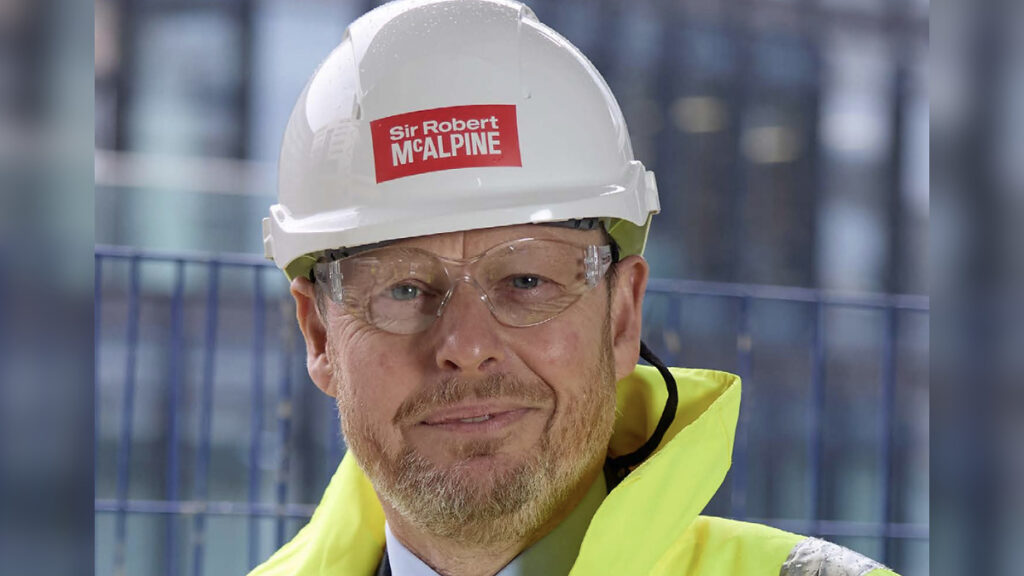
One of Britain’s most prominent construction companies has warned that environmental policies aimed at achieving net zero emissions could unintentionally weaken the country’s steel industry and increase dependence on foreign suppliers.
Sir Robert McAlpine, the firm behind landmark projects including the Millennium Dome and London’s Olympic Stadium, has called for a more balanced approach that protects both climate goals and domestic industrial capacity.
Industry Leaders Warn Against Moving Production Overseas
The concerns were outlined by Simon Richards, the company’s sustainability director, who argued that reducing emissions should not come at the expense of Britain’s manufacturing base.
Richards said relocating steel production abroad does not eliminate carbon emissions but merely transfers them to other countries while also exporting jobs and economic activity.
He cautioned that such a shift could leave the UK increasingly vulnerable to international market disruptions and trade barriers.
According to him, maintaining domestic steelmaking capability is becoming a matter of national resilience as global competition and geopolitical pressures intensify.



Balancing Climate Targets With Economic Security
While supporting efforts to decarbonise the steel sector, Richards stressed that policymakers must also consider the broader social and economic consequences of industry decline.
He pointed to the impact that procurement and construction decisions can have on communities that depend heavily on steel production, including workers and families in industrial centres such as Scunthorpe, Sheffield, Port Talbot and the Welsh Valleys.
The warning reflects growing concerns among manufacturers that environmental regulations could accelerate the loss of strategic industries if alternatives are not carefully managed.
Pressure Mounts Over Future of British Steel
The debate comes amid renewed attention on the future of Britain’s steel sector following government intervention at the Scunthorpe steelworks.
Earlier this month, Prime Minister Keir Starmer announced plans to nationalise operations at the plant after the government had already stepped in to take control of its management from Chinese-owned Jingye Group.
The move was intended to prevent the closure of the site’s blast furnaces, which many industry figures view as critical to preserving domestic steel production.
Energy Costs Remain a Major Challenge
Despite government intervention, industry leaders continue to argue that deeper structural issues remain unresolved.
High energy prices have become one of the biggest obstacles facing British steelmakers, making it difficult for them to compete against lower-cost imports produced overseas.
Manufacturers have repeatedly called for measures to reduce these costs and improve competitiveness.
As policymakers pursue ambitious climate objectives, the latest warning from Sir Robert McAlpine highlights the growing debate over how the UK can reduce emissions while safeguarding jobs, industrial expertise and long-term economic security.

