
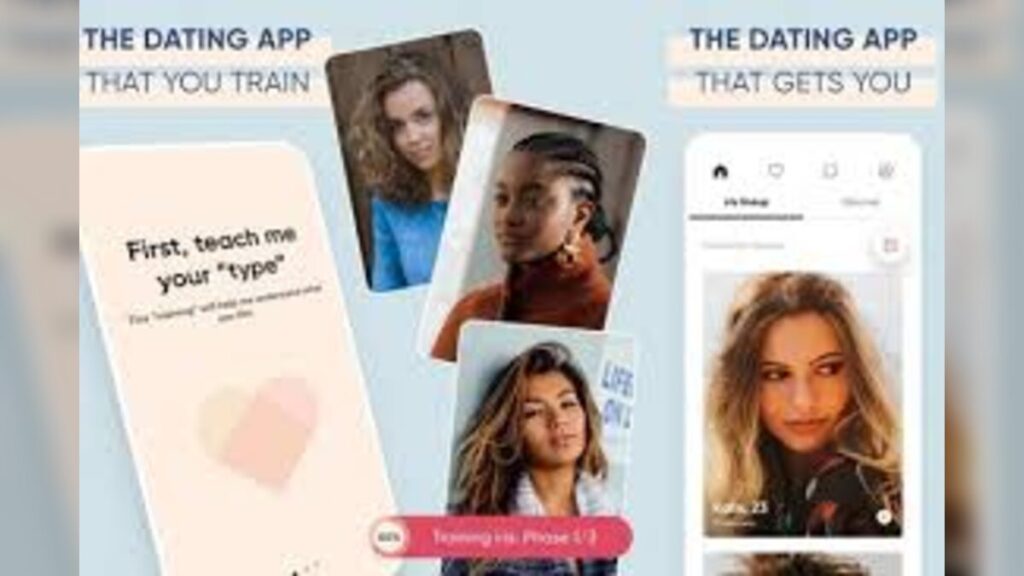
It all started with a “like” from the most handsome man I’d ever seen.
He called himself ‘D’, claimed he was a director, and looked like Chris Hemsworth on a particularly good day.
My first thought? Nope. My friend didn’t hesitate: “He’s AI, you idiot.”
That was my rude awakening: AI isn’t just in self-driving cars or chatbots — it’s now a full-blown presence on dating apps.
AI Profiles: Polished, Perfect, and Everywhere
According to the Norton Insights Report Artificial Intimacy, online dating is now riddled with AI.
Over half of daters use AI to write clever pick-up lines, enhance their photos, or craft their profiles.
That means a lot of the charming, witty, or strikingly handsome profiles swiping into your life might not be entirely human.
Even conversations can be AI-assisted: apps like Rizz provide ready-made, personalized responses that feel charmingly human.
It’s Cyrano de Bergerac for the digital age.
Leyla Bilge, global head of scam research at Norton, explains: “It is normal to try to look and sound nicer… You can easily remove imperfections.”
Translation? Reality is out, perfection is in — and it’s dangerously convincing.
The Thin Line Between Help and Deception
For midlife women, the stakes feel higher.
There’s a smaller dating pool, a heightened desire for connection, and, frankly, more vulnerability to the allure of a perfect profile.
Psychologist Marisa Peer points out that emotion often trumps logic.
If a connection feels real, even if it’s AI-generated, we lean into it.
But deception is real. Some profiles are outright scams.




One in 20 people over 65 encounter romance scams weekly — likely underreported due to shame and embarrassment.
Whether it’s for validation, connection, or just curiosity, AI in dating can obscure reality and potentially prey on our emotional wiring.
My Experiment With AI-Enhanced Photos
Curiosity got the better of me. I uploaded my own photos to an AI website and got a version of myself with a Hollywood smile, flawless teeth, and… well, enhanced curves.
Posting one of these AI-enhanced images on dating apps instantly increased attention — younger men, more likes, more flirtatious messages.
The lesson? AI makes “enough” never seem enough.
Yet, even with these shiny new images, I still held my boundaries.
“D” might have been an AI-enhanced human or a bot.
Either way, he wouldn’t get my number. Authenticity mattered more than perfection.
Why Midlife Daters Are Particularly Exposed
Midlife women face unique challenges: fewer available partners, pressure to appear youthful, and less suspicion of AI.
Many are cautious about using filters themselves, and suddenly, the dating landscape feels skewed against authenticity.
As Peer notes, “we are wired to find connection… logic never wins.”
Norton Steps In
Norton is developing tools to detect AI-generated profiles.
Bilge emphasizes: “Over 60 per cent of people want to know whether the profile is AI-generated… real trust should never come with pressure or secrecy.”
The technology isn’t going away; vigilance and digital literacy are becoming essential survival skills for online daters.
Impact and Consequences
The infiltration of AI in dating apps blurs reality, increasing the risk of emotional manipulation, scams, and unrealistic expectations.
Midlife daters can feel disillusioned, discouraged, and more vulnerable to deception.
On a societal level, AI reshapes perceptions of attraction and dating norms, making authenticity harder to find.
What’s Next?
Dating platforms may adopt AI detection tools and transparency measures.
Users might increasingly rely on verified profiles or AI-labeled interactions.
Meanwhile, midlife daters need to sharpen digital literacy, balance optimism with caution, and maintain clear boundaries between online charm and real-life connection.
Summary
AI is now a pervasive force in online dating, shaping profiles, conversations, and expectations.
From photo enhancements to conversation-assisting apps, daters face an environment where authenticity is constantly challenged.
For midlife women, the stakes are high, emotional risks significant, and trust must be navigated carefully.
My experiment showed just how convincing AI can be, but it also reaffirmed that real connection still matters more than perfection.
Bulleted Takeaways
- AI is widely used in dating apps: 57% for pick-up lines, 56% for photos, 54% for profiles.
- Apps like Rizz create AI-assisted conversational responses.
- Midlife women are particularly vulnerable to AI deception due to a smaller dating pool and desire for connection.
- Romance scams affect at least 1 in 20 people over 65 weekly, likely underreported.
- AI-enhanced images significantly increase attention on dating apps, but authenticity remains critical.
- Norton is developing AI detection tools to help daters verify profiles and avoid deception.
- Users must balance digital savvy with emotional awareness to navigate the AI-driven dating landscape.

