


Growing Debate Over the Difficulty of a Potential Conflict With Iran…
As geopolitical tensions in the Middle East continue to draw international attention, military analysts frequently raise an important question: how difficult would it be to defeat Iran in a major conflict?
Experts say Iran presents a far more complex military challenge than countries such as Iraq or Afghanistan did in past wars.
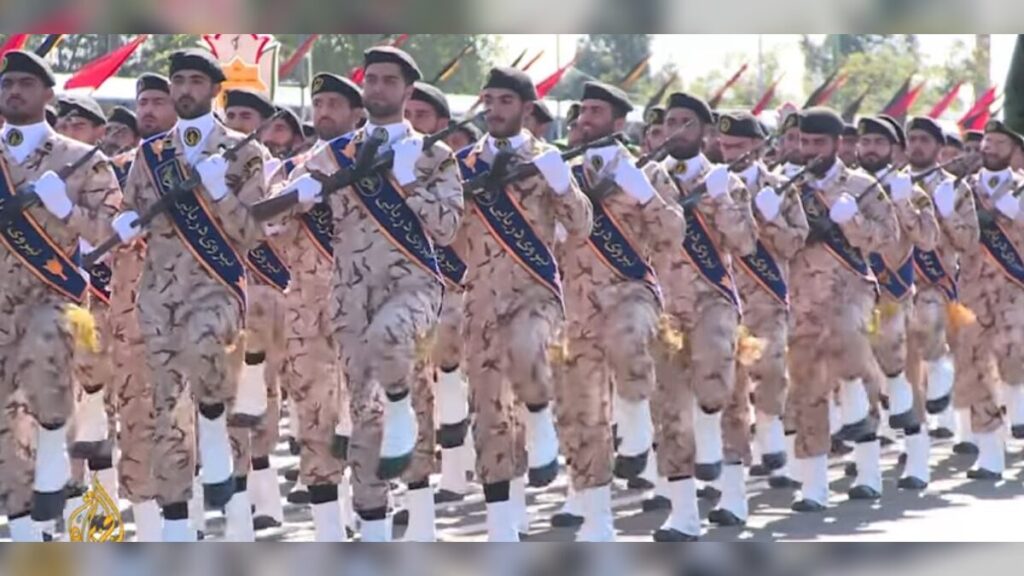
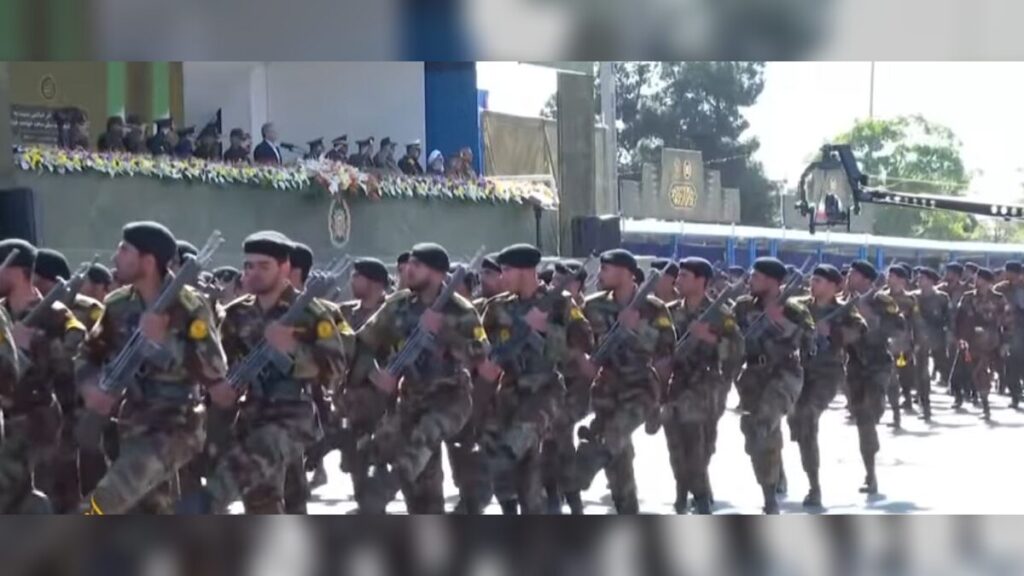
A combination of factors—including population size, geography, missile capabilities, regional alliances, and combat experience—make the country particularly difficult to defeat or occupy.
Defense strategists often point out that any conflict involving Iran would likely be long, costly, and highly unpredictable.
Large Population and Vast Territory
One of Iran’s biggest strategic advantages is its size and population.
The country has a population of more than 90 million people, giving it access to a large pool of potential soldiers and reserve forces.
In addition, Iran’s territory is enormous compared to several countries where major military interventions have taken place in the past. Iran’s land area is roughly four times larger than Iraq, providing significant strategic depth.
A larger population and territory can make it easier for a country to sustain prolonged warfare, replace military losses, and maintain resistance over time.
Challenging Geography Favors Defense
Iran’s geography is another major factor that military planners consider when assessing the difficulty of a potential invasion.
The country is dominated by rugged terrain that includes major mountain ranges, deserts, and narrow passes. Among the most prominent features are the Zagros Mountains, which stretch across much of western Iran.
Mountain warfare is historically difficult for invading armies because it limits mobility and gives defenders a natural advantage.
In addition to mountains, Iran’s vast deserts and difficult terrain would complicate large-scale troop movements and military logistics.
These natural barriers could slow down or disrupt invading forces.
Extensive Missile Capabilities
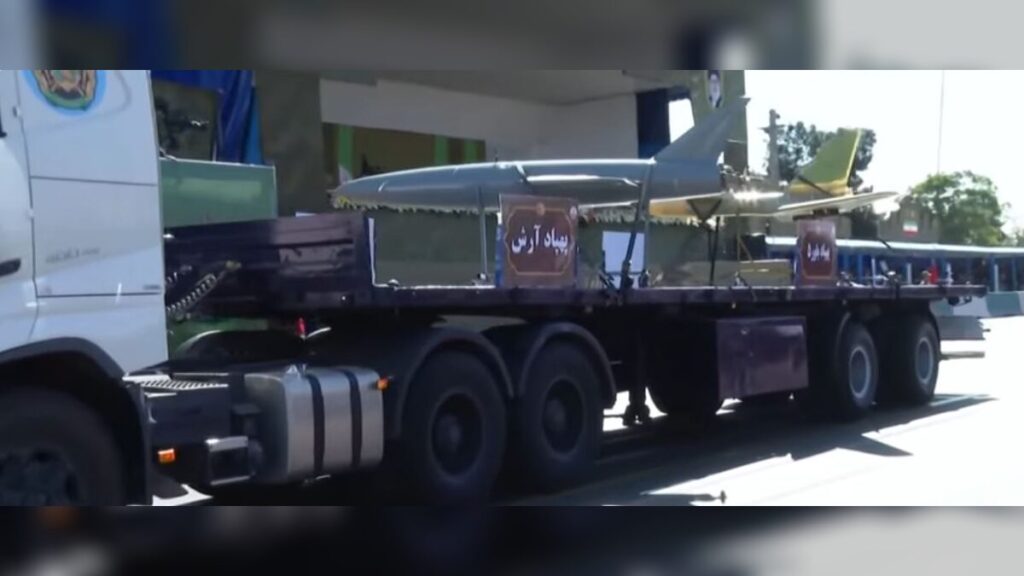
Over the past several decades, Iran has invested heavily in developing a large missile arsenal.
These missile systems are designed to strike targets at long distances and are considered a central element of Iran’s military strategy.



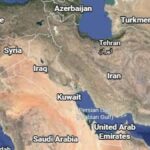
Among the well-known examples are the Shahab-3 and Sejjil ballistic missiles, which are capable of reaching targets across the Middle East.
Military analysts say Iran’s missile program allows it to threaten military bases, infrastructure, and strategic locations throughout the region, even if its conventional forces are outmatched technologically.
Influence Through Regional Allies
Another major component of Iran’s strategy is its network of allied groups across the Middle East.
These groups operate in several countries and can potentially open multiple fronts during a conflict.
Groups commonly cited by analysts include:
- Hezbollah in Lebanon
- Houthi forces in Yemen
- Militias operating in Iraq and Syria
These alliances allow Iran to project influence beyond its borders and create indirect pressure on its adversaries.
In a conflict scenario, such groups could launch attacks without requiring a direct invasion of Iran itself.
Lessons Learned From the Iran–Iraq War
Iran’s modern military doctrine has also been shaped by its experience during the Iran–Iraq War, which lasted from 1980 to 1988.
The eight-year conflict resulted in enormous casualties on both sides—estimated to exceed one million people—but Iran ultimately survived the war without collapsing.
Military analysts say that experience deeply influenced Iran’s defense strategy.
Since then, the country has focused on preparing for long-term conflicts, investing in asymmetric warfare tactics, missile programs, and defensive infrastructure designed to make any war prolonged and costly for an adversary.
Few Easy Routes for a Military Invasion
Experts also note that launching a large-scale invasion of Iran would present significant logistical and political challenges.
Unlike previous conflicts in Iraq, there is no straightforward route for a major ground assault.
Possible invasion paths could involve:
- the Persian Gulf
- Iraq
- Turkey
- Afghanistan
However, each option presents complicated political, military, or geographic obstacles.
Military planners would have to overcome difficult terrain, long supply lines, and complex regional dynamics.
Impact and Consequences
Analysts warn that a major war involving Iran would have far-reaching global consequences.
Potential impacts could include:
- Disruptions to global oil supplies and energy markets
- Escalating regional conflicts involving multiple countries
- Large humanitarian crises
- Increased instability across the Middle East
- Economic shocks affecting international trade
Because of these risks, many governments continue to prioritize diplomatic efforts to reduce tensions.
What’s Next
Security experts believe the strategic balance in the Middle East will continue to evolve as countries modernize their militaries and develop new technologies.
Iran is expected to continue strengthening its missile capabilities and regional alliances, while other nations in the region invest heavily in missile defense systems and advanced military technology.
At the same time, international diplomacy remains a key tool aimed at preventing conflicts from escalating into large-scale wars.
Summary
Military analysts widely agree that Iran would be far more difficult to defeat than several countries that have faced major invasions in recent decades.
Its large population, vast territory, challenging geography, powerful missile arsenal, regional alliances, and experience from past wars all contribute to its defensive strength.
These factors mean that any conflict involving Iran would likely be complex, prolonged, and costly for all sides involved.
Bulleted Takeaways
- Iran has a population of over 90 million people and a land area far larger than Iraq.
- Rugged terrain including mountains and deserts makes invasion difficult.
- The country has developed a large missile arsenal capable of reaching targets across the Middle East.
- Iran maintains influence through allied groups in Lebanon, Yemen, Iraq, and Syria.
- Lessons from the eight-year Iran–Iraq War shaped Iran’s long-war military strategy.
- Military experts say there is no simple route for a large-scale invasion of Iran.
- Analysts warn any war involving Iran could have major global economic and security consequences.
