
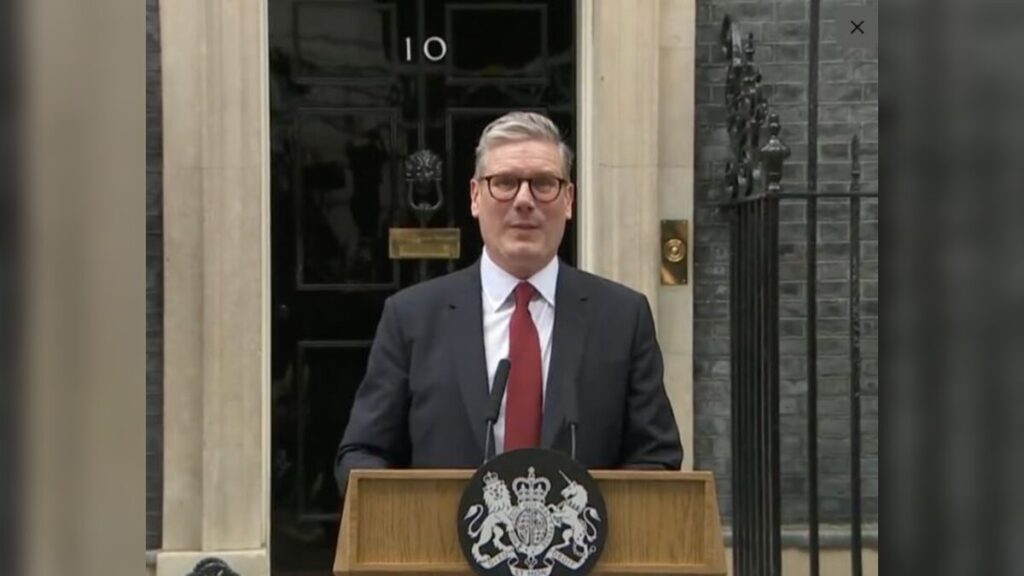
Prime Minister Travels to Belfast to Address Cost of Living Pressures…
Keir Starmer traveled to Belfast on Thursday with a clear message for energy suppliers: the government will not allow families to be exploited through unfair heating oil prices.
The visit comes as households across the UK face growing financial pressure tied to global instability and rising energy costs.
During his trip, Starmer emphasized that protecting working families from inflated heating costs has become a top priority for his government.
Northern Ireland faces a particularly unique challenge because a large number of homes rely on heating oil rather than gas to warm their houses during colder months.
Government Warns Against Unfair Pricing Practices
Speaking during the visit, the Prime Minister issued a warning to companies operating in the heating oil market.
He stressed that prices must remain reasonable, transparent, and justifiable, especially during periods of international uncertainty that can easily push energy costs higher.
According to Starmer, businesses that take advantage of global instability to artificially raise prices could face government intervention.
“If companies fleece customers or rip them off, we will not hesitate to step in,” he said, signaling that regulatory action remains on the table if necessary.
The warning follows growing public concern that energy companies may increase prices beyond what is justified by global market changes.
Meetings With Northern Ireland Political Leaders
While in Belfast, Starmer met with several top regional leaders, including the First Minister, deputy First Minister, and representatives of the five largest political parties in Northern Ireland.
The discussions focused on how the UK government is working to reduce the financial burden on families and support economic growth across the region.
Officials said the meetings also addressed ways to improve energy affordability and strengthen long-term economic stability.
The Prime Minister’s visit is part of a broader effort to show that the government is listening to concerns from communities directly affected by rising living costs.



Investigations Into Heating Oil Prices Already Underway
The government has already begun examining the heating oil market amid reports of possible price manipulation.
The Competition and Markets Authority has been asked to urgently investigate claims of excessive pricing. At the same time, the Treasury’s financial secretary has been consulting with Northern Irish lawmakers about possible additional actions.
These efforts are intended to ensure that energy companies do not exploit geopolitical events or supply disruptions to unfairly raise prices.
Officials say the investigations will determine whether stronger oversight or new rules are needed to protect consumers.
Other Measures to Support Households
Beyond energy prices, the Prime Minister highlighted several government policies aimed at easing the cost of living for residents in Northern Ireland.
Among them is the continued freeze on fuel duty, which officials estimate saves the average driver in the region about £89 each year.
Another initiative includes the Fuel Finder scheme, an open data platform designed to help motorists locate cheaper fuel options.
Additionally, the recent increase in the National Living Wage and the National Minimum Wage is expected to benefit up to 140,000 workers across Northern Ireland.
Listening to Local Communities
After meeting with political leaders, the Prime Minister also spoke with residents in Belfast to hear directly about the challenges families are facing.
Many households remain concerned about how international conflicts and energy market fluctuations could affect their ability to afford basic necessities such as heating.
Starmer said those conversations are crucial for shaping policies that respond to real-life economic pressures experienced by ordinary citizens.
Impact and Consequences
The Prime Minister’s warning to heating oil suppliers could lead to significant changes in how energy prices are monitored and regulated in Northern Ireland.
Potential consequences include:
- Increased government oversight of heating oil companies
- Possible regulatory action if price manipulation is confirmed
- Greater transparency requirements in energy pricing
- Increased pressure on energy firms to justify price hikes
For households that rely heavily on heating oil, these actions could help prevent sudden spikes in winter energy bills.
What’s Next?
The Competition and Markets Authority is expected to continue reviewing heating oil pricing practices in Northern Ireland.
Depending on the findings, the government could introduce new regulations or consumer protections to prevent profiteering.
Meanwhile, officials will continue discussions with local leaders and communities to monitor how global energy developments are affecting the region.
Further announcements on policy responses could emerge in the coming weeks.
Summary
Prime Minister Keir Starmer visited Belfast to address rising concerns about heating oil prices and the broader cost-of-living crisis affecting households in Northern Ireland.
During the visit, he warned energy companies against exploiting global instability to raise prices unfairly and confirmed that the government is prepared to intervene if necessary.
The government has already launched investigations into pricing practices while promoting wider policies aimed at supporting working families through wage increases, fuel duty freezes, and new consumer tools.
Bulleted Takeaways
- Prime Minister Keir Starmer visited Belfast to address rising heating oil prices.
- Many households in Northern Ireland rely on heating oil for home heating.
- The government warned companies against profiteering or unjustified price hikes.
- The Competition and Markets Authority is investigating potential pricing abuses.
- Officials are considering regulatory action if unfair practices are confirmed.
- Additional measures like fuel duty freezes and wage increases aim to ease the cost of living.
- The Prime Minister also met with Northern Irish political leaders and local residents to discuss economic concerns.
