
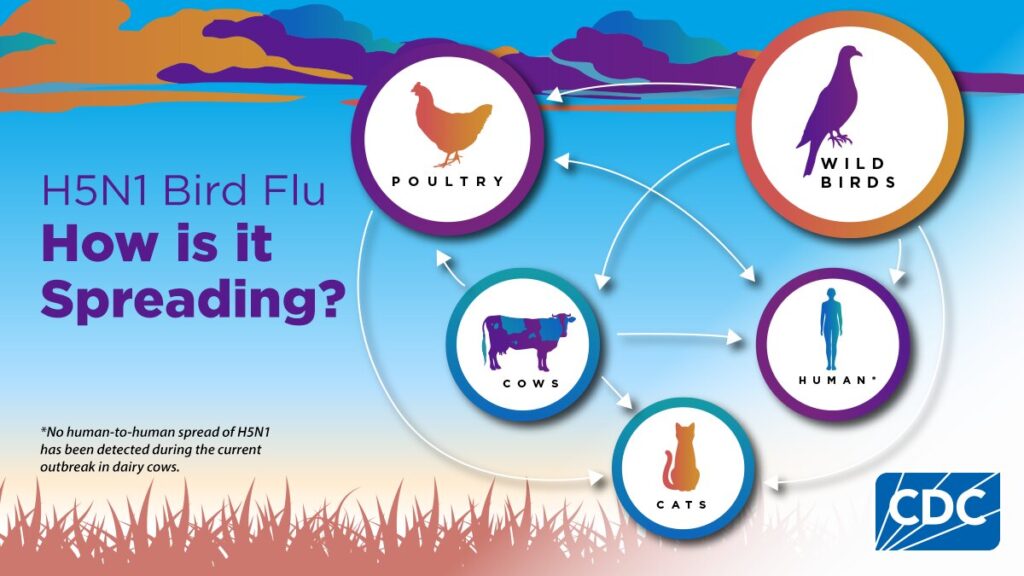
Officials have confirmed a fresh outbreak of highly pathogenic avian influenza in poultry near Market Rasen, raising renewed concerns about the spread of bird flu across England.
The case involves the H5N1 strain and was detected at a commercial poultry site, prompting immediate containment measures.
Government Imposes Protection and Surveillance Zones Around Lincolnshire Outbreak Site
In response to the outbreak, authorities established a 3-kilometre protection zone and a wider 10-kilometre surveillance zone around the affected premises.
All birds at the site are set to be humanely culled to prevent further spread of the disease, while strict movement controls have been introduced for poultry, eggs, and related materials.
Previous Restrictions Lifted in Yorkshire Following Successful Containment Efforts
In a separate development, restrictions in parts of Yorkshire—including areas near Pickering, Thirsk, and Malton—have been eased after successful disease control operations.
The 10km surveillance zone in that region has now been lifted, signaling progress in containing earlier cases.
Bird Housing Rules Relaxed Across England but Biosecurity Measures Remain Mandatory
Authorities have also lifted broader housing requirements that previously required birds to be kept indoors nationwide.
However, poultry keepers are still required to follow strict biosecurity protocols, especially in designated control zones where restrictions remain in place.
UK Records Dozens of Bird Flu Cases During 2025 to 2026 Outbreak Season
Since the outbreak season began in October 2025, dozens of bird flu cases have been confirmed across the UK.
England accounts for the majority, with 76 confirmed H5N1 cases, while additional cases have been reported in Scotland, Wales, and Northern Ireland.




Under international rules set by the World Organisation for Animal Health, the UK is no longer considered free from highly pathogenic avian influenza.
Officials Provide Guidance for Bird Keepers to Prevent Further Spread
Authorities are urging bird owners to remain vigilant, report any signs of disease, and follow all rules within their designated zones.
This includes checking whether licences are required for moving birds or related materials and ensuring proper housing and hygiene practices are maintained.
Public Advised on Bird Gatherings and Movement Rules Across England
Bird gatherings are permitted in areas outside disease control zones, but only under specific licensing conditions depending on the type of birds involved.
Events involving certain species may require special approval to ensure they do not contribute to the spread of infection.
Vaccination Restrictions Remain in Place for Poultry in England
Routine vaccination against bird flu is not permitted for most poultry and captive birds in England.
Exceptions apply only to zoo birds under strict eligibility criteria and approval from health authorities, as the government continues to monitor vaccine development.
Health Agencies Say Risk to Public Remains Very Low Despite Outbreak
According to the UK Health Security Agency, bird flu remains primarily a disease affecting birds, with minimal risk to human health.
The Food Standards Agency also confirmed that properly cooked poultry and eggs are safe for consumption.
Authorities Monitor Spread Among Wild Birds and Mammals Across Great Britain
Officials continue to track the spread of bird flu in wild bird populations and, increasingly, in mammals.
Members of the public are advised not to touch sick or dead birds and to report sightings to authorities, while professionals are legally required to report suspected infections in animals.
Impact and Consequences of Bird Flu Outbreak on UK Poultry Industry and Public Awareness
The outbreak is likely to place pressure on poultry farmers due to culling measures, movement restrictions, and potential economic losses.
It also reinforces the importance of strict biosecurity practices and raises awareness about disease transmission between wild and domestic birds.
What’s Next for Bird Flu Response in England?
Authorities are expected to continue surveillance, enforce control zones, and monitor new cases closely.
Ongoing research into vaccines and disease management strategies will play a key role in shaping future responses, while officials may adjust restrictions depending on how the outbreak evolves.
Summary of Latest Bird Flu Situation in England
A new bird flu case in Lincolnshire has triggered fresh containment measures, including culling and movement restrictions. While some areas have seen restrictions lifted, authorities continue to monitor the situation closely and enforce biosecurity rules to prevent further spread.
Key Takeaways from Bird Flu Update in England
- A new H5N1 case was confirmed near Market Rasen
- Protection and surveillance zones have been established around the outbreak site
- Previous restrictions in parts of Yorkshire have been lifted
- England has recorded 76 cases during the current outbreak season
- The UK is no longer bird flu-free under World Organisation for Animal Health rules
- Vaccination remains restricted for most poultry
- UK Health Security Agency says human risk is very low
- Farmers and bird keepers must continue strict biosecurity measures
