
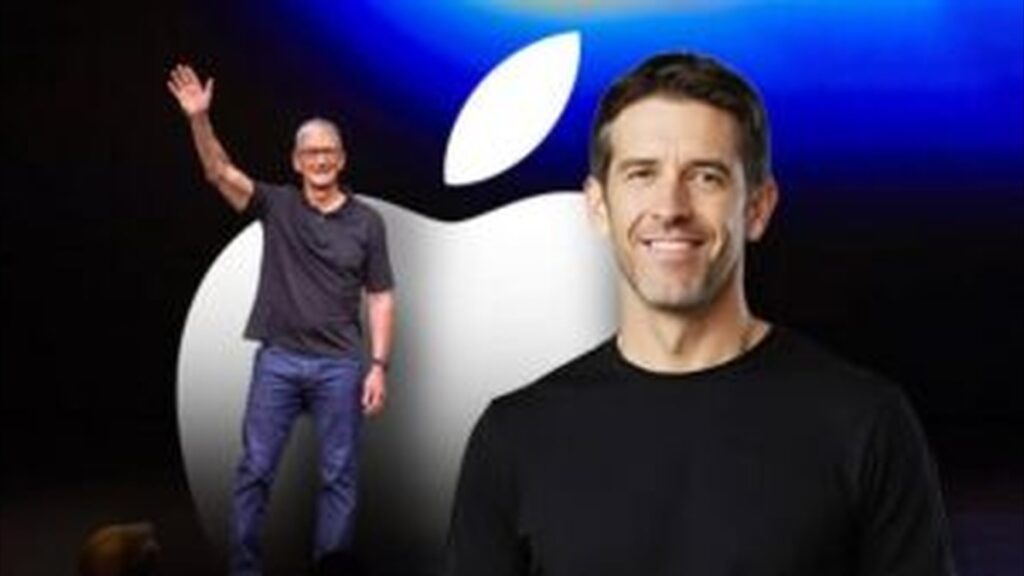
Tim Cook has officially stepped down as chief executive of Apple after 15 years at the helm, bringing an era of extraordinary financial expansion and major strategic change at the technology giant to a close.
Cook’s final day as CEO was Monday. From Tuesday, 1 September, he will take on the role of executive chairman of Apple’s board, while John Ternus, the company’s senior vice president of hardware engineering, assumes the CEO position.
The transition represents one of the most significant leadership changes in Apple’s modern history, coming more than a decade after Cook succeeded the company’s co-founder Steve Jobs.
Cook Says His Title Is Changing but His Connection to Apple Is Not
Cook acknowledged the leadership change in a post on X on Monday evening, thanking the Apple community as he prepared to move away from the company’s daily operations.
He said his title would change the following day but that his affection for Apple and its employees would remain unchanged.
Cook described the community as a continuing source of inspiration and said he was looking forward to the next stage of his career.
His comments underlined the personal significance of the transition after a decade and a half as one of the world’s most influential technology executives.
From Operations Chief to Successor to Steve Jobs
Cook’s relationship with Apple began long before he became CEO.
He joined the company in 1998 as senior vice president for worldwide operations, where he played a major role in improving Apple’s supply chain and operational efficiency.
When Jobs stepped aside in 2011, Cook was chosen as his successor.
Taking over from one of the most celebrated product visionaries in technology history created enormous expectations, particularly over whether Apple could maintain its momentum without Jobs running the company.
Cook ultimately established a leadership style of his own, placing considerable emphasis on operational execution, global expansion and the development of Apple’s services ecosystem.
Apple’s Financial Transformation Under Cook
The scale of Apple’s growth during Cook’s tenure has been remarkable.
When he became CEO in 2011, Apple had a market value of roughly $350 billion.
By the end of his tenure, the company’s market capitalisation had climbed to around $4 trillion.
Apple’s annual revenue also increased dramatically, rising from approximately $108 billion in fiscal 2011 to more than $416 billion in fiscal 2025.
The company’s global footprint expanded to more than 200 countries and territories, while its active installed base grew beyond 2.5 billion devices.
Those figures have made Cook’s tenure one of the most financially successful stretches in the history of corporate America.
Apple Expanded Beyond the iPhone
Cook inherited a company heavily associated with the iPhone, but Apple broadened its product portfolio considerably during his leadership.
The Apple Watch became a major new hardware category, while AirPods helped establish Apple’s influence in the wireless audio market.
The company also entered spatial computing with the Apple Vision Pro.
At the same time, Apple increasingly relied on services to diversify its business.
Apple Pay, iCloud and Apple TV+ became important components of the company’s broader ecosystem, helping transform Apple’s services division into a business generating more than $100 billion.




Apple Silicon Becomes a Major Strategic Shift
One of Cook’s most consequential decisions was Apple’s increasing control over the technology inside its products.
The company moved aggressively toward designing its own silicon, giving Apple greater control over the performance and integration of its hardware and software.
That strategy became particularly important as Apple sought to reduce its dependence on external chip suppliers and create closer integration across its product range.
The transition helped reinforce Apple’s ability to differentiate its devices through custom hardware and software rather than relying solely on third-party components.
Privacy and Sustainability Became Part of Apple’s Identity
Cook also placed issues beyond products and profits at the centre of Apple’s public image.
Privacy became a major part of the company’s marketing and policy messaging, with Apple frequently presenting itself as a technology company that places greater emphasis on protecting user information.
Accessibility and environmental sustainability likewise received increased attention during his leadership.
Apple has said its carbon footprint has fallen by more than 60% since 2015, reflecting a broader effort to reduce emissions throughout its operations and supply chain.
Ternus Inherits a Very Different Apple
John Ternus now takes control of a company that is substantially larger and more complex than the one Cook inherited.
As Apple’s senior vice president of hardware engineering, Ternus has been closely involved with the development of the company’s hardware products and is already familiar with Apple’s internal operations and product strategy.
His promotion suggests continuity, but becoming CEO will bring an entirely different set of responsibilities.
Ternus will have to balance Apple’s enormous existing business with pressure to identify the company’s next major source of growth.
Cook’s New Role Will Keep Him Close to Apple
Although Cook is leaving the CEO position, his departure is not a complete exit from Apple.
As executive chairman, he is expected to remain involved in selected areas of the business, including Apple’s engagement with policymakers around the world.
That arrangement gives Apple access to Cook’s extensive experience and relationships while allowing Ternus to assume responsibility for everyday management.
Arthur Levinson, who has served as Apple’s non-executive chairman for the past 15 years, will become lead independent director when the leadership transition takes effect.
Leadership Change Comes Just Before Apple’s Big iPhone Event
The timing of Cook’s departure is particularly notable.
Apple’s annual iPhone event is scheduled for 9 September, just eight days after Cook’s final day as CEO.
The event is expected to attract enormous attention, with the company reportedly preparing to introduce its first foldable iPhone.
If that product arrives as anticipated, Ternus will immediately face the challenge of presenting a potentially important new product category to consumers and investors.
The timing means the company’s leadership transition will occur just as Apple enters another potentially defining moment in its product strategy.
The Biggest Question for Ternus
Cook leaves behind an Apple that is financially stronger and considerably broader than the company he inherited.
But the transition also comes with difficult questions.
Apple faces pressure to maintain its growth, produce compelling new products and demonstrate that it can remain at the forefront of technology as competition intensifies.
Ternus will therefore inherit both an extraordinary advantage and an enormous burden: maintaining the momentum built during Cook’s 15-year tenure while eventually creating an era that is distinctly his own.
What’s Next for Apple and Tim Cook?
The immediate focus will shift to Ternus as he officially assumes the CEO role on 1 September.
Attention will then turn quickly toward Apple’s September event and the company’s next generation of products, including the expected foldable iPhone.
Cook, meanwhile, will transition into a less operational but still influential position.
His continued presence on the board means Apple’s leadership change is likely to be evolutionary rather than an abrupt break with the past.
Summary
Tim Cook has ended his 15-year tenure as Apple’s CEO, closing one of the most successful chapters in the company’s history.
Since succeeding Steve Jobs in 2011, Cook has overseen Apple’s expansion from a roughly $350 billion company into a technology giant valued at around $4 trillion.
Revenue rose from $108 billion in fiscal 2011 to more than $416 billion in fiscal 2025, while Apple’s installed device base surpassed 2.5 billion.
His era also saw the rise of Apple Watch, AirPods, Vision Pro and a services business worth more than $100 billion, alongside major moves into Apple-designed silicon, privacy, accessibility and environmental sustainability.
From 1 September, John Ternus will lead the company as CEO, while Cook becomes executive chairman. With Apple’s major iPhone event only days away, the new chief executive is about to begin his tenure under intense global scrutiny.

