
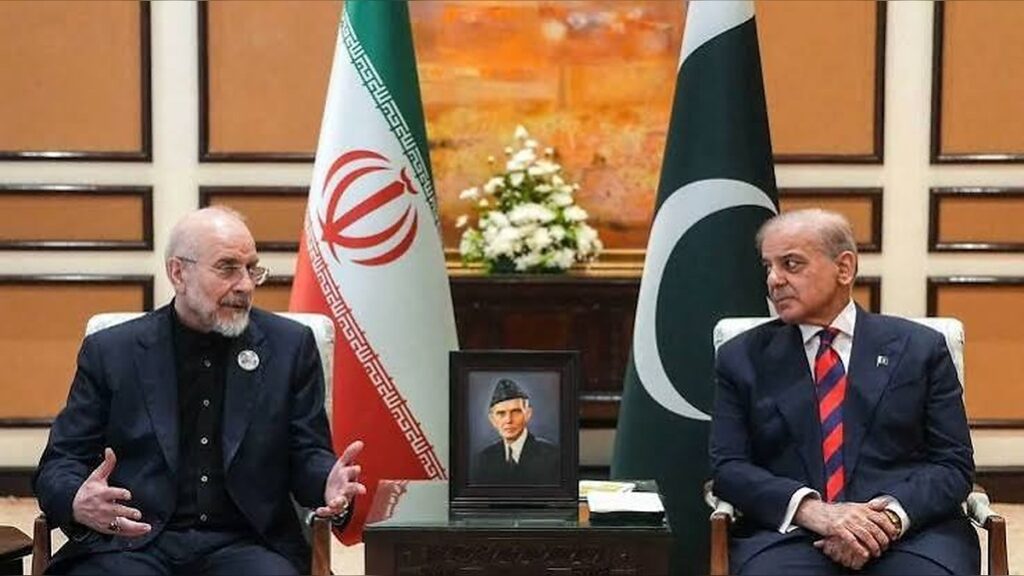
A major diplomatic development has emerged in South Asia after Pakistani Prime Minister Shehbaz Sharif announced that the United States and Iran have agreed on a draft framework aimed at ending months of escalating conflict between the two nations.
Speaking on Saturday, Sharif said the agreement could move toward formal signing within 24 hours, describing the moment as one of the closest points yet to a comprehensive peace deal between Washington and Tehran.
Islamabad Positioned as Key Mediator in Final Negotiations
Pakistan has played a central mediating role throughout the talks, hosting discussions and facilitating communication between both sides during a period of heightened regional tension.
Sharif said preparations were underway for an electronic signing of the agreement, followed by technical-level negotiations expected to continue into the following week.
In public remarks posted on social media, he described the progress as a “historic opportunity” to establish long-term stability, suggesting that the diplomatic process had reached its most advanced stage so far.
Draft Agreement Signals Shift After Weeks of Tension
The announcement follows weeks of fluctuating tensions between the United States and Iran, including periods of direct confrontation and military escalation that raised fears of broader regional conflict.
Earlier phases of the standoff included exchanges of fire and public warnings from U.S. leadership about possible further action, before diplomatic momentum appeared to regain strength through backchannel negotiations.
A fragile ceasefire has largely held since mid-spring, despite occasional flare-ups that threatened to derail ongoing talks.
Competing Narratives Emerge From Tehran and Washington
Iranian Foreign Minister Abbas Araqchi struck an optimistic tone, suggesting that Iran had emerged in a strong position during the conflict and that negotiations were nearing completion.
He also referenced what he called the “Islamabad Memorandum of Understanding,” stating that the draft agreement had moved closer than ever to final approval while urging caution about premature conclusions.




In contrast, U.S. officials pushed back on some public interpretations of the negotiations.
Former U.S. President Donald Trump rejected certain claims circulating about the deal, calling them inaccurate and misleading.
Reported Framework Focuses on Immediate De-escalation
Although full details of the draft remain unconfirmed, early reports suggest the proposed memorandum outlines immediate steps designed to reduce tensions and stabilize the situation.
Key elements are believed to include measures related to maritime security, including the reopening of strategic shipping routes such as the Strait of Hormuz, alongside adjustments to naval operations in regional waters.
Under the reported framework, the United States would also consider releasing frozen Iranian financial assets and easing selected sanctions on oil exports, in exchange for de-escalation commitments from Tehran.
Nuclear Program Talks Expected to Follow Initial Agreement
Long-term discussions on Iran’s nuclear program are expected to be addressed in a separate negotiation phase lasting up to 60 days after the initial agreement is signed.
According to U.S. accounts, the objective of this phase would be to limit or dismantle key elements of Iran’s nuclear infrastructure, including restrictions on highly enriched uranium stockpiles.
These issues have long been central to tensions between the two countries and are expected to remain a major focus of subsequent negotiations.
Officials Describe Deal as Closest Yet to Resolution
A senior U.S. administration official indicated that both sides had agreed on a draft text and were preparing for final procedural steps.
The official characterized the current stage of talks as the most productive so far, suggesting that core U.S. objectives had been substantially met in the proposed framework.
Sharif echoed similar optimism, stating that “peace has never been this close,” while emphasizing Pakistan’s expectation that the agreement could mark a turning point in regional diplomacy.
Next Phase Hinges on Formal Signing and Technical Talks
If finalized, the agreement would move into a structured implementation phase beginning with electronic signing, followed by detailed technical negotiations between all parties involved.
Diplomats caution that while momentum is strong, final approval and execution remain dependent on continued cooperation and resolution of outstanding issues.
For now, however, the announcement marks one of the most significant diplomatic developments in recent months, with stakeholders on all sides signaling cautious optimism that a formal peace framework may soon be within reach.

