
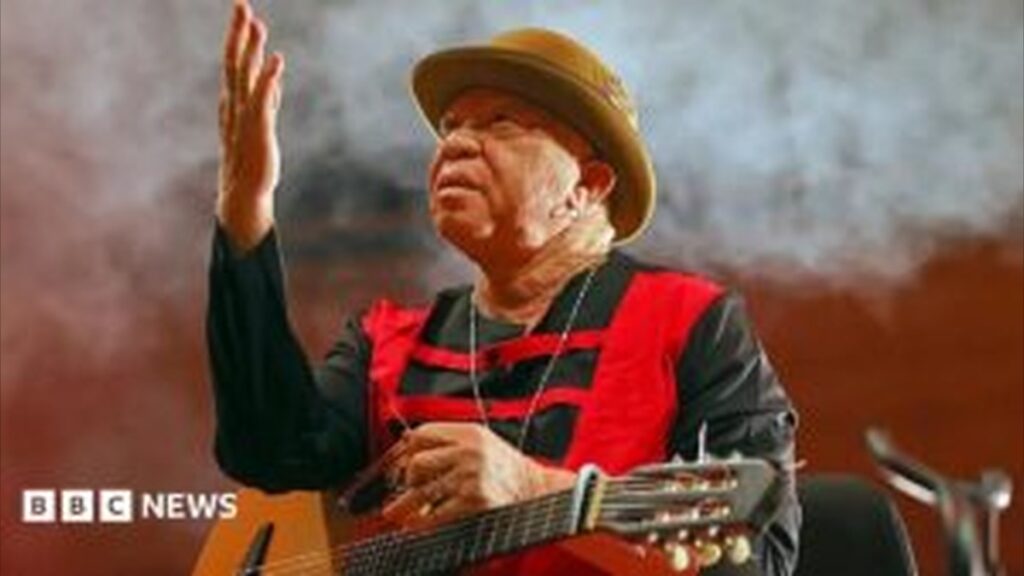
Malian music icon Salif Keïta has cancelled his planned appearance at South Africa’s Macufe festival, citing concerns over what he described as xenophobic violence against African migrants.
The 77-year-old singer was due to perform at the festival in Free State province next month.
His decision has disappointed provincial officials, who maintain that the annual event is intended to promote African unity.
Keïta, widely recognised as one of Africa’s most influential musicians, said he could not remain silent while reports emerged of migrants being attacked.
Music Legend Says Cancellation Is a Stand Against Hate
Explaining his decision, Keïta said he could not “ignore the reports of xenophobic violence against our African brothers and sisters”.
He said that when migrants are attacked, he sees people searching for employment, safety and dignity rather than a political issue.
The musician also stressed that his decision was not intended as a rejection of South Africans or the country itself.
Instead, he described the cancellation as a rejection of hatred and suggested that he could return in the future.
Free State Government Expresses Disappointment
The Free State Department of Sport, Arts, Culture and Recreation said it regretted Keïta’s decision to withdraw from the festival.
Officials highlighted Macufe’s role as a celebration of African culture and unity, effectively pushing back against the impression that the festival represents hostility towards other Africans.
Keïta’s withdrawal nevertheless places the festival against the backdrop of a growing and increasingly divisive debate over migration in South Africa.
Anti-Migrant Protests Continue to Gain Momentum
South Africa has experienced a series of protests demanding that undocumented migrants leave the country.
The latest deadline announced by the anti-migrant movement March and March is 30 September, when organisers say they intend to stage another nationwide mobilisation.
The group has previously called on leaders attending the Southern African Development Community summit in Durban to take responsibility for their citizens living in South Africa.
Its planned September demonstrations are expected to be larger and more organised than protests held on 30 June, some of which were accompanied by violence.
South Africa’s Migration Debate Turns Increasingly Hostile
South Africa remains one of the continent’s most attractive destinations for people seeking employment and better economic opportunities.
However, illegal immigration has become a highly charged political issue.
Protesters have accused undocumented foreigners of putting additional pressure on public services and have also linked migrants to crime.




The government has said it is taking action against illegal immigration while insisting that people who engage in vigilante attacks or take the law into their own hands will face arrest.
The tensions have nevertheless prompted thousands of foreigners to leave the country voluntarily.
Tanzanians Among Those Returning Home
The controversy surrounding Keïta’s cancellation came as the first group of 173 Tanzanians returned home from South Africa through a voluntary repatriation programme.
For some of those arriving in Dar es Salaam, the journey marked the end of many years spent building lives in South Africa.
Abdul Idi, who travelled there in 2006 hoping to create a better future, said he was thankful to have returned safely after what he described as difficult and dangerous circumstances.
Another returnee, Rashid Ramadhan, said he had lived in South Africa for 30 years.
The 53-year-old said he and others were forced from their accommodation in Durban and had spent two months living outside after losing their jobs.
More Than 160,000 People Reportedly Leave
The Tanzanian returnees are part of a much wider movement of migrants leaving South Africa.
More than 160,000 people have reportedly departed the country through similar voluntary repatriation programmes since May, according to figures cited by AFP.
Citizens of Malawi, Zimbabwe, Zambia, Ghana and Nigeria are among those who have returned to their home countries.
For many, however, returning home comes at a significant personal and financial cost, particularly after abandoning jobs, homes and possessions accumulated during years in South Africa.
Ghana Rejects $1.7 Million Repatriation Donation
Ghana has taken a different approach to financing the return of its citizens.
The Ghanaian government rejected an offer of approximately $1.7 million from MTN Ghana to assist Ghanaians being repatriated from South Africa.
The company is a subsidiary of South African telecommunications giant MTN Group.
Ghana’s Foreign Ministry said the government remained committed to financing the evacuation and reintegration of its citizens rather than accepting the proposed donation.
Keïta Remains a Major African Cultural Figure
Keïta’s decision carries particular weight because of his longstanding influence across the African music industry.
Often referred to as the “Golden Voice of Africa”, the Malian singer has spent roughly five decades performing and helped bring West African music to international audiences.
His decision to withdraw from Macufe has therefore transformed what might ordinarily have been a major cultural performance into a wider statement about the treatment of African migrants.
A Wider Regional Issue Emerges
The controversy is unfolding at a time when migration tensions are increasingly affecting relations between South Africa and other African countries.
Governments across the region are now dealing with the consequences of citizens returning from South Africa, while families and communities face the challenge of rebuilding lives after sudden departures.
The situation also presents a difficult balance for South African authorities, who are under pressure to address concerns about undocumented immigration while preventing violence and discrimination against foreigners.
What Happens Next?
The immediate focus will be on the 30 September protests announced by March and March and whether authorities can prevent the kind of violence that accompanied some previous demonstrations.
The fate of the Macufe festival will also attract attention following Keïta’s withdrawal, particularly given the symbolism attached to an international African music star cancelling an appearance over concerns about xenophobia.
Meanwhile, countries receiving returning migrants will have to continue supporting their citizens as they navigate the economic and social consequences of repatriation.
Summary
Salif Keïta has cancelled his planned performance at South Africa’s Macufe festival after expressing concern about reported xenophobic attacks against African migrants.
His decision comes amid growing anti-immigration protests, a significant increase in voluntary repatriations and renewed warnings of nationwide demonstrations in September.
While the Free State government has expressed disappointment and stressed that Macufe celebrates African unity, the cancellation has highlighted the wider regional consequences of South Africa’s increasingly contentious migration debate.
With thousands of foreigners already returning home and more protests expected, pressure is likely to remain high on South African authorities to address illegal immigration without allowing hostility towards migrants to escalate into violence.

