
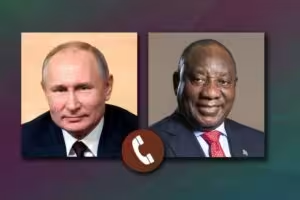
President Cyril Ramaphosa has confirmed that 11 of 17 South African men allegedly lured into the Russia-Ukraine conflict are on their way back home.
This marks the second wave of returns, following four men who came back earlier.
Ramaphosa expressed gratitude to Russian President Vladimir Putin for facilitating the repatriation, which he said was pledged during a phone call on 10 February 2026.
How They Were Lured Into the Conflict
The men, aged between 20 and 39, were reportedly deceived into joining the war under the pretext of receiving training or employment opportunities.
Families told their loved ones were being hired as bodyguards, but instead, the men were sent directly to the frontlines in Ukraine’s Donbas region.
A relative of the first group of returnees explained anonymously: “It’s been a very difficult journey for families.
Parents were given the wrong narrative about their sons being trained as bodyguards, but they were actually sent to fight.”
Those Still Remaining in Russia
Two of the men remain in Russia for now.
One is hospitalized in Moscow, while the other is in processing for repatriation.
Ramaphosa assured that the South African embassy in Moscow is monitoring their situation closely to ensure safe return once cleared to travel.
South African law strictly prohibits citizens from providing military assistance to other countries without government authorization, which has added urgency to the government’s intervention in this case.




Broader African Context
This incident is not isolated. Botswana also launched an investigation into two young men allegedly misled into the war, believing they were traveling for short-term training.
The embassy of Ukraine in Botswana accused Russia of luring youths from across Africa into combat by offering employment, training, or other misleading incentives.
Experts say these tactics reflect a growing pattern of foreign recruitment by Russian forces, raising questions about the ethics and legality of such operations, as well as the risks posed to citizens abroad.
Families and Communities React
For families back in South Africa, the ordeal has been harrowing.
Relatives of the returnees have spoken of sleepless nights, anxiety, and the emotional toll of believing their loved ones were in immediate danger in a foreign war zone.
The men themselves are likely to face psychological aftereffects from their time in the conflict, even if they did not directly engage in combat.
Reintegrating into South African society will be a delicate process requiring counseling and support.
What’s Next?
The South African government is expected to continue monitoring the remaining men in Russia until their safe return.
Investigations into the recruitment network that allegedly lured the men are ongoing, with authorities seeking to understand how citizens were misled into participating in a foreign war.
Meanwhile, officials across Africa are watching closely, given concerns that similar recruitment schemes could target other young men from the continent.
Support programs for returnees will likely focus on mental health, reintegration, and raising awareness about the legal risks of participating in unauthorized military activities abroad.
Summary
By Cebelihle Bhengu
Published: 24 February 2026 | Updated: 24 February 2026
South African President Cyril Ramaphosa confirmed that 11 of 17 citizens allegedly lured into the Russia-Ukraine conflict are set to return home, while two remain in Russia.
Families say the men were tricked into joining under the guise of bodyguard training.
The government is investigating the recruitment network and coordinating with Russia to ensure safe repatriation.
This incident highlights broader concerns about foreign recruitment targeting young Africans and underscores the importance of legal oversight for citizens traveling for military purposes.

