
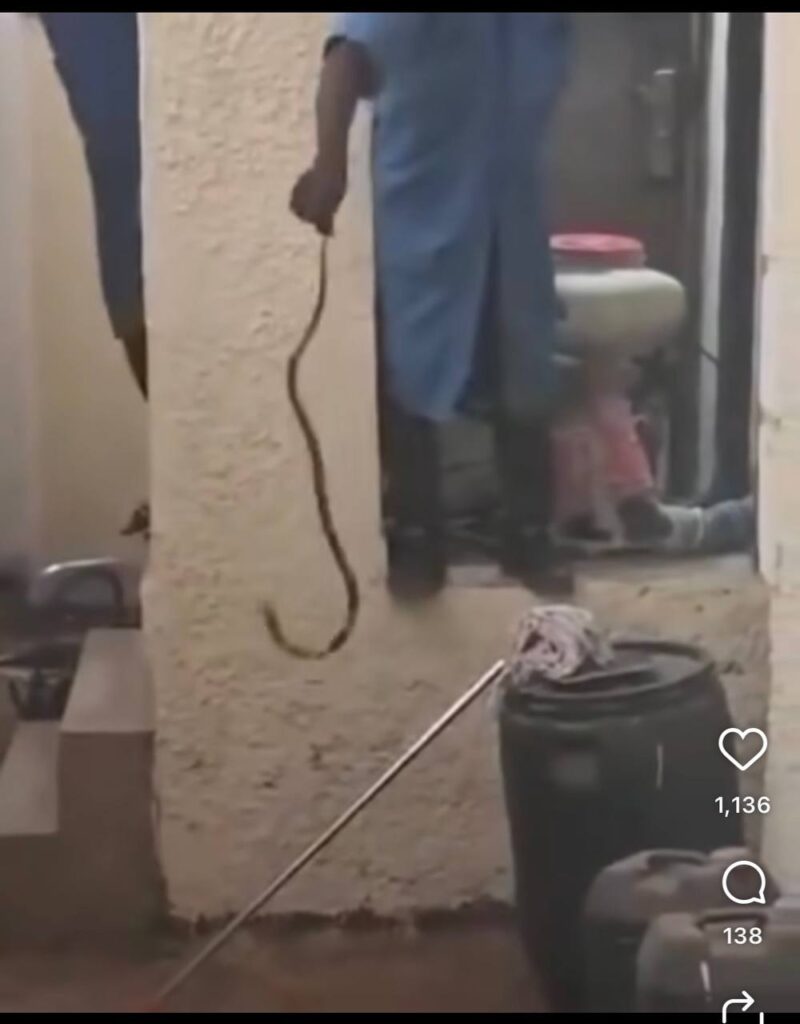
The Nigerian community is in mourning following the preventable death of Ifunanya Nwangene, a young woman who lost her life to a snakebite. Despite reaching two separate medical facilities in a desperate race for survival, Ifunanya was reportedly turned away due to a lack of life-saving antivenom.
The Final Hours of Ifunanya Nwangene
Ifunanya’s ordeal began when she was bitten by a venomous snake, a common but deadly occurrence in many parts of Nigeria. Her family acted immediately, transporting her to a nearby hospital. However, the facility lacked the necessary serum to neutralize the venom.
Undeterred, the family rushed her to a second hospital, hoping for a different outcome. Tragically, they were met with the same devastating news: no antivenom in stock. Ifunanya succumbed to the venom shortly after, sparking a wave of grief and a heated debate over the state of Nigeria’s emergency healthcare.
Why Antivenom is Missing in Nigerian Hospitals
Ifunanya’s story is not an isolated incident. Thousands of Nigerians die annually from snakebites—a condition the World Health Organization (WHO) classifies as a neglected tropical disease.
-
Cost and Storage: A single vial of quality antivenom can cost upwards of N50,000 to N120,000, making it a “high-risk” stock item for smaller clinics.
-
Import Bottlenecks: Nigeria primarily relies on antivenoms produced abroad (such as in the UK or Costa Rica). Exchange rate volatility and shipping delays often lead to nationwide “stockouts.”
-
Cold Chain Requirements: Antivenom must be kept at specific temperatures. Frequent power outages in Nigeria often lead to the degradation of available supplies.
Suggested Readings (News continues below)




The “Golden Hour” and Systemic Failure
Medical experts emphasize that the first 60 minutes after a snakebite—the “Golden Hour”—are critical. For Ifunanya, that hour was spent in transit between ill-equipped hospitals.
The death of Ifunanya Nwangene has led to urgent calls on the Federal Ministry of Health to:
-
Mandate Antivenom Stocks: Require all General Hospitals to maintain a minimum emergency supply of antivenom.
-
Subsidize Emergency Care: Ensure that victims of snakebites receive treatment regardless of their immediate ability to pay.
-
Domestic Production: Accelerate plans for local production of snake venom antiserum to stabilize costs and supply.
Snakebite Emergency Checklist
To prevent further tragedies like the one that claimed Ifunanya, remember these steps:
-
Do Not Panic: Increased heart rate spreads venom faster.
-
Immobilize: Keep the bitten limb below the heart level and as still as possible.
-
Identify the Snake: If possible (and safe), take a photo of the snake to help doctors choose the right serum.
-
Avoid “Black Stones”: Traditional remedies like the “black stone” or cutting the wound have no proven medical benefit and can waste precious time.
