
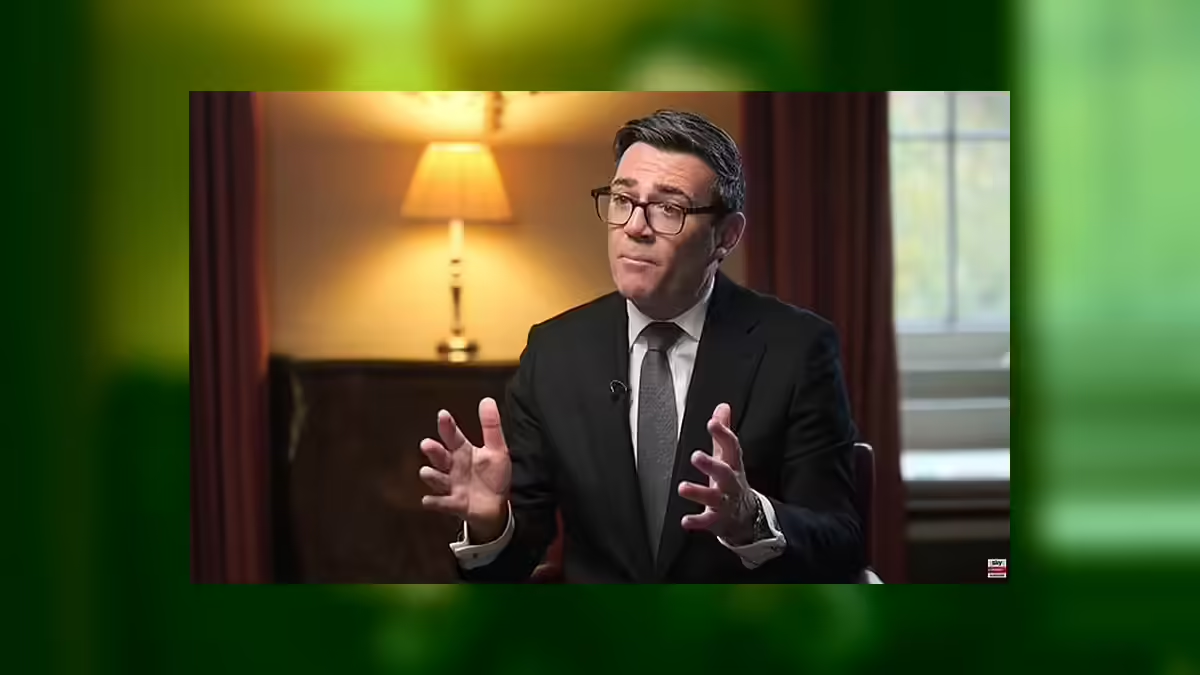
Andy Burnham has faced questions over the financial impact of Labour’s proposed reforms to support young people who are not in education, employment or training (NEET), after suggesting that no one would be worse off financially.
Speaking to The Times, Burnham said the proposals could be introduced without young people losing money, provided the reforms successfully moved them into sustainable employment or other opportunities.
“If it works, and I’m going to give everything I’ve got to this to make sure that it does work, it will mean that no young person loses out from a cash point of view because we want them in a sustainable opportunity,” he said.
However, Alan Milburn, the former Cabinet minister who led the review behind the proposals, gave a different assessment during an interview with Sky News.
“There will be some people who in the short-term will get less,” Milburn said.
Downing Street Seeks to Clarify Burnham’s Comments
Downing Street subsequently sought to explain Burnham’s remarks, saying he meant that young people who lose access to certain benefits would not necessarily be financially worse off because they would have the opportunity to enter employment.
Work and Pensions Secretary Pat McFadden also addressed the issue, saying the Prime Minister had been referring to the prospect of people achieving better lives through the proposed changes.
The possibility of reducing welfare support has already raised concerns among some Labour MPs, particularly over how the changes could affect young people currently receiving benefits.




Milburn Plan Targets Reduction in Youth Unemployment
Milburn’s 10-year strategy, unveiled on Tuesday, aims to halve the proportion of 16 to 24-year-olds classified as NEET over the next decade.
The proposals include a major overhaul of the benefits system, with the aim of saving £3.6 billion annually. The money would instead be directed towards programmes designed to help young people secure employment or enter training.
One of the central proposals is the introduction of a new youth allowance for 16 to 24-year-olds.
The payment could replace the health element of Universal Credit and Personal Independence Payment (PIP) currently available to eligible people in that age group.
Debate Over Extending Reforms to Older Claimants
Burnham has also indicated that the principles behind Milburn’s proposals could be extended beyond younger claimants.
He told The Times that the same approach could apply across the age range, describing the proposed system as one focused on prevention and supporting people towards opportunities where they could prosper.
Milburn said his review did not cover people aged over 25 but acknowledged that some of its proposed arrangements could be adapted for older benefit claimants.
In his report, he urged the Government to urgently develop further proposals for reforming the welfare system for people aged 25 and above.
Conservatives Support NEETs Target but Question Welfare Approach
The Conservatives have backed efforts to reduce the number of young people who are not in education, employment or training, but have argued that the Government should pursue more substantial reductions in welfare spending.
They have also questioned the scale of state involvement proposed under the plan, raising concerns that the Government could assume responsibility for supporting people aged 18 to 25 in a similar way to its existing responsibilities towards under-18s.
Burnham Expresses Confidence in Labour Support
Burnham said he was confident that Labour backbenchers would support the proposed reforms, despite previous difficulties within the party over Government attempts to reduce welfare expenditure.
The proposals are intended to change how young people receive support, with greater emphasis on helping them move into employment and training.
However, Milburn’s warning that some claimants could receive less money in the short term has highlighted questions about the financial consequences of the planned changes.
