
Westminster is facing renewed speculation about an early general election after a new poll showed Labour extending its lead over the Conservatives, while divisions among right-wing parties continue to shape the political landscape.
The latest YouGov survey puts Labour six percentage points ahead, with 27 per cent support.
The Conservatives are in second place on 21 per cent, narrowly ahead of Reform UK, which has secured 20 per cent.
The figures come after a recent improvement in Conservative support under Kemi Badenoch appeared to lose momentum, leaving the two main right-wing parties competing for a similar share of the vote.
Labour’s Polling Lead Fuels May Election Predictions
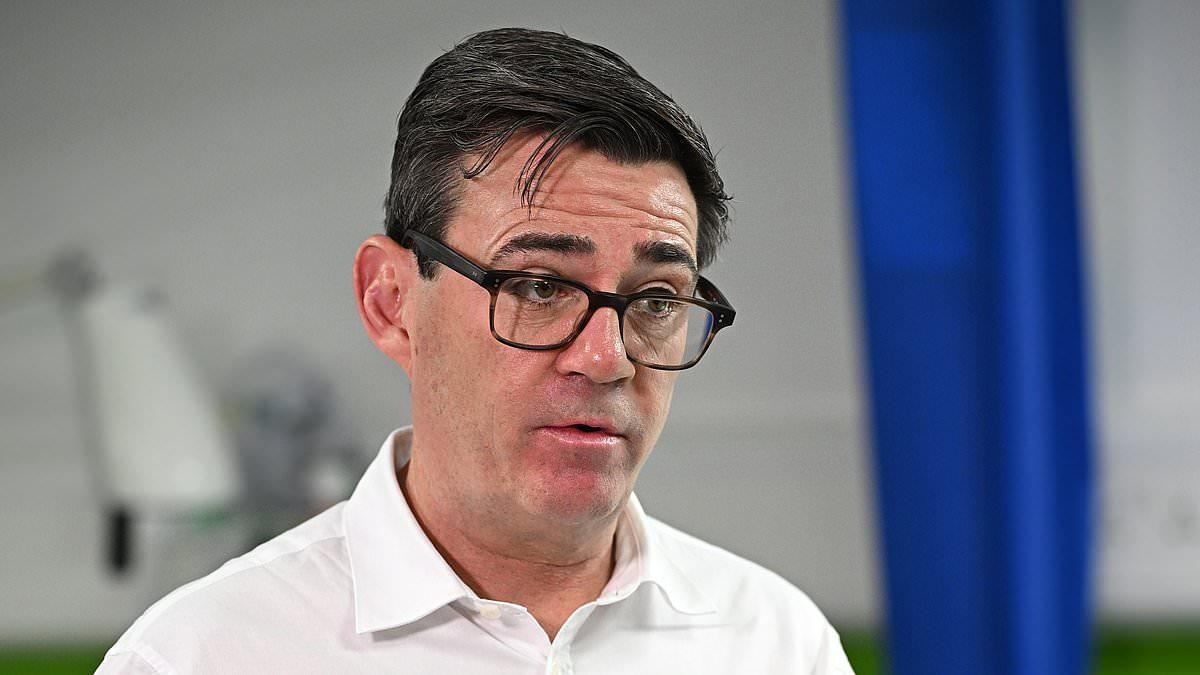
Despite repeated denials from Andy Burnham that a general election will take place next year, several government insiders believe May could be the likely date for a national vote.
One senior source told the Daily Mail that expectations across Whitehall and among MPs were increasingly centred on a May election.
“The assumption in Whitehall, and among many MPs, is that it’s going to be May,” the source said.
“Everything Andy says is that an election isn’t happening, but everything they do is pointing to May.”
The speculation has also intensified following decisions by John Healey to postpone several key announcements in the Budget.
Defence Spending and Departmental Cuts Present Challenges
A spending review scheduled for the second half of next year is expected to outline how the Government intends to increase defence spending to three per cent of gross domestic product by 2030.
Ministers are also facing difficult decisions over departmental budgets, with think-tanks warning that existing spending plans could result in substantial real-terms cuts over the coming years.



The Prime Minister is expected to present a 10-year plan in the coming months, setting out the Government’s longer-term priorities.
Among the policies previously highlighted are proposals for an NHS-style social care system, although the measure is not expected to be introduced before the next general election.
The Prime Minister has also indicated that rejoining the European Union could feature in Labour’s next election manifesto.
Falling Oil Prices Offer Some Economic Relief
Meanwhile, there are expectations that the economic outlook could improve in the spring following a decline in global oil prices.
Oil prices retreated after Donald Trump suffered a significant setback in the US midterm elections.
The American president also suggested again that the war involving Iran was effectively over, contributing to a fall in Brent crude prices to approximately $90 per barrel.
The movement has raised hopes that the coming months could be less economically difficult for households than previously anticipated.
Labour Could Secure Majority as Right-Wing Vote Splits
The latest YouGov figures could translate into an overall parliamentary majority for Labour, according to estimates from Electoral Calculus.
Under the projections, the Conservatives would remain the main opposition party but lose seats, while Reform UK could secure dozens of parliamentary seats.
However, Reform would still have fewer MPs than the Liberal Democrats.
The potential outcome would be influenced heavily by how individual parties perform in different constituencies, with local voting patterns likely to play a significant role in determining the final distribution of seats.
The figures suggest that competition between the Conservatives and Reform could divide support on the Right, potentially benefiting Labour in constituencies where their combined support might otherwise challenge the governing party.
Burnham Continues to Reject Early Election Speculation
Burnham has repeatedly dismissed suggestions that an election will take place next year.
Speaking in an interview last month, he rejected the idea that his approach to the job was being driven by calculations about personal or party political advantage.
“I am not coming into this job full of political calculation in terms of ‘what do I need to do for how it benefits me or the party?'” he said.
He added that he wanted to bring about a clear change in the way politics was conducted, arguing that the country was in a difficult position.
“I come into the job genuinely feeling that the country needs a really clear change in terms of the way politics has been done because we’re in a messy position,” Burnham said.
