
The United States’ journey at the FIFA World Cup came to an end after a heavy defeat to Belgium, but the tournament has still been hailed as a landmark moment for American soccer.
While the national team exited in the round of 16, the match shattered television audience records and highlighted the sport’s growing popularity across the country.
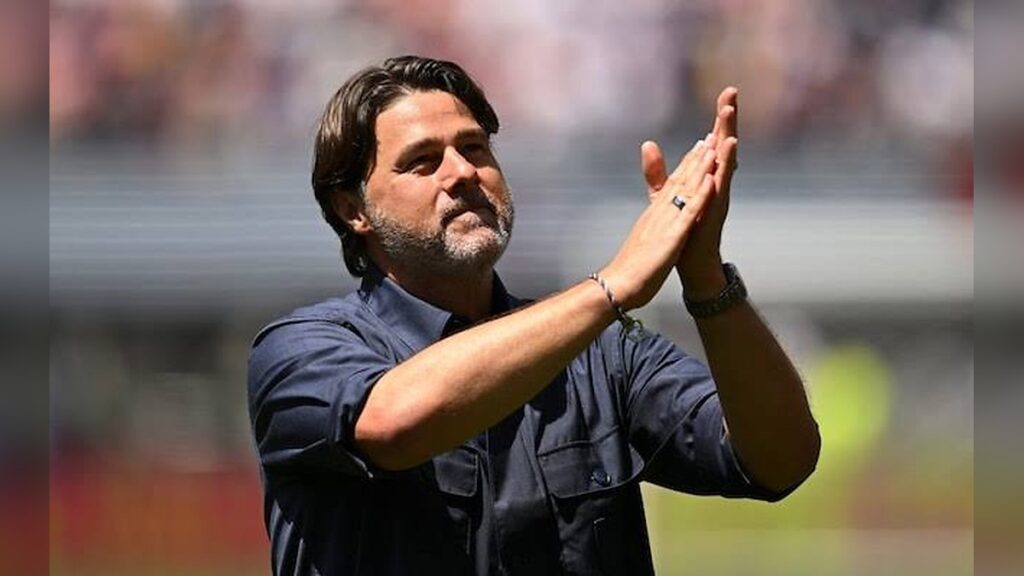
Much of that progress has been linked to the arrival of head coach Mauricio Pochettino, whose appointment was made possible with financial backing from billionaire investor Ken Griffin.
Belgium End Hosts’ Tournament Hopes
Belgium defeated the United States 4-1 in Seattle on Monday night, knocking out the final remaining co-host nation from the tournament.
The result brought an end to an encouraging campaign for the Americans, who had reached the knockout rounds after an impressive group-stage performance.
Despite the disappointment on the pitch, the match became one of the biggest milestones in American soccer history away from the stadium.
Television Audience Sets New National Record
Fox announced that the knockout clash attracted around 30 million viewers, with the audience peaking at more than 36.8 million between 9:15 p.m. and 9:30 p.m. Eastern Time.
The figures made it the most-watched soccer broadcast ever recorded in the United States.
Remarkably, the previous record had only been established days earlier during the United States’ World Cup meeting with Bosnia and Herzegovina, which drew 26.4 million viewers.
The surge in viewership reflects the growing interest surrounding the sport as the United States continues to invest heavily in football’s future.
Billionaire’s Backing Helped Secure Pochettino
Citadel founder and chief executive Ken Griffin played a crucial role in bringing Mauricio Pochettino to the national team.
Many observers credit the Argentine manager with transforming the squad and guiding the United States to its first World Cup knockout-stage victory in 24 years, only the second such achievement in the country’s history.
According to Griffin, the excitement generated by the team’s performances provides a strong platform for future growth.
He said he was encouraged by the progress made under Pochettino’s leadership and believes the momentum created during this tournament can continue in the years ahead.
Lifelong Passion for the Game
Griffin’s involvement with soccer extends well beyond financial support.
He began playing as a child, represented his high school team in Florida and continued coaching, including working with his own children’s teams.




His personal love for the sport has been reflected in years of charitable giving aimed at increasing access to football for young people across the United States.
Over the years, Griffin has donated an estimated $2 billion to various charitable causes.
Investment in Community Football
One of Griffin’s major football initiatives began in 2017, when he funded the construction of 50 mini-pitches in Chicago.
Following Citadel’s relocation to Florida, he donated another $5 million in 2023 to create an additional 50 pitches across Miami-Dade County.
Together, the projects have provided more than 100,000 children and families in underserved communities with safe places to play.
The work earned Griffin the U.S. Soccer Foundation’s prestigious #10 Award, recognising his impact on grassroots football development.
Donation Helped Solve Coaching Challenge
Griffin also became central to one of U.S. Soccer’s biggest decisions before the World Cup.
According to reports, discussions about hiring a high-profile international coach began after hedge fund executive Scott Goodwin learned that the federation’s preferred candidates were financially out of reach.
Because U.S. Soccer receives no direct government funding, it relies heavily on sponsorship, commercial income and private donations.
Griffin ultimately made the largest financial contribution among a group of donors that enabled the federation to complete the appointment of Pochettino.
Without that funding, many believe the deal may never have happened.
Pochettino’s Arrival Changed Expectations
The former Tottenham Hotspur, Paris Saint-Germain and Chelsea manager was appointed on a two-year contract following the United States’ disappointing exit from the 2024 Copa América.
He became the highest-paid coach in U.S. Soccer history, reportedly earning around $6 million annually, with tax records showing more than $5 million in compensation during his first seven months, including a substantial signing bonus.
The investment quickly produced results as the national team delivered one of its strongest World Cup performances in decades.
Tournament Run Restores Optimism
The United States opened the tournament with an impressive 4-1 victory over Paraguay before defeating Australia 2-0 to finish top of their group despite suffering a narrow defeat against Turkey.
The Americans then advanced to the round of 16 after beating Bosnia and Herzegovina 2-0 in the first knockout round.
That victory was overshadowed by controversy after striker Folarin Balogun received a red card that was later suspended by FIFA.
Although Belgium ultimately ended the team’s World Cup campaign, many supporters viewed the tournament as a significant step forward for American football.
Bringing the World Cup to More Fans
Griffin’s support extended beyond the national team.
His organisation, Griffin Catalyst, funded public World Cup watch parties at community mini-pitches in Miami, providing families with free football activities, live match screenings, music and entertainment.
The organisation also served as an official supporter of Miami’s World Cup host city programme and sponsored the FIFA Fan Festival in the city.
In addition, Griffin partnered with Miami Dolphins owner Stephen Ross to donate more than 1,200 World Cup tickets to young people participating in Boys & Girls Clubs across South Florida.
Looking Beyond the Defeat
Although the United States fell short of reaching the quarter-finals, the tournament has strengthened belief that soccer is entering a new era in the country.
Record television audiences, growing grassroots participation and renewed confidence around the national team suggest the foundations are being laid for sustained progress.
For Griffin and many involved in American soccer, this World Cup may ultimately be remembered less for how it ended and more for the momentum it created for the future.

