
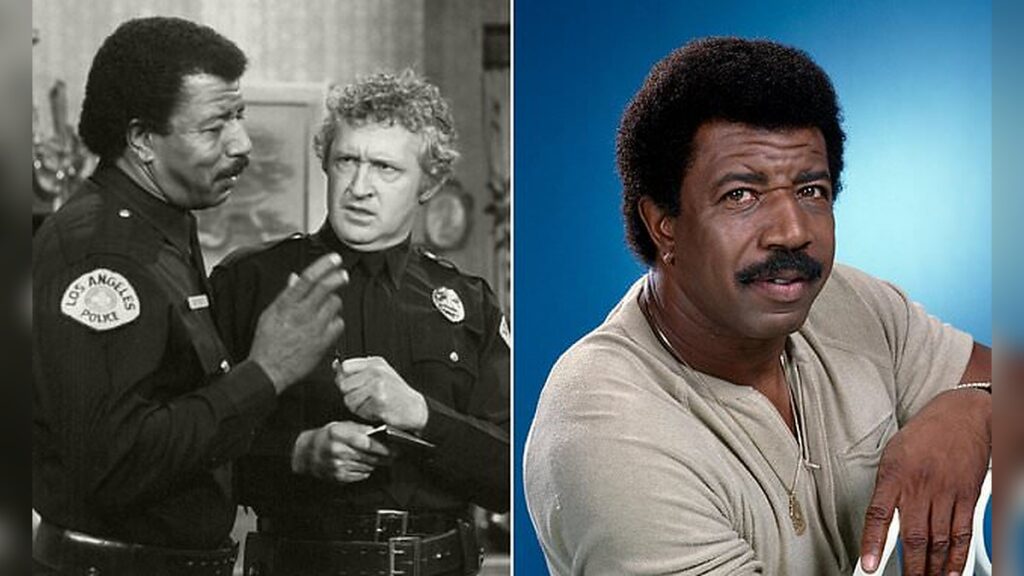
Veteran television actor Hal Williams, whose performances in classic American sitcoms made him a familiar face to generations of viewers, has died at the age of 91.
His representative confirmed that Williams passed away on Thursday at his home in Rancho Mirage, California. A cause of death has not yet been disclosed.
A Lasting Legacy on Sanford and Son
Williams earned widespread recognition for portraying Officer “Smitty” Smith on the groundbreaking sitcom Sanford and Son, appearing regularly between 1972 and 1976.
The series, led by Redd Foxx as junk dealer Fred G. Sanford and Demond Wilson as his son Lamont, became one of television’s earliest successful Black-led sitcoms and remains an influential comedy classic.
Officer Smitty frequently appeared alongside his police partner, Officer “Hoppy” Hopkins, played by Howard Platt.
Their scenes became a signature feature of the show, with Hoppy delivering lengthy and technical explanations of police investigations before Smitty humorously translated them into straightforward language.
Improvised Comedy Became a Fan Favorite
Reflecting on the origins of the memorable routine in an earlier interview with WKYC, Williams explained that the comedic exchange developed unexpectedly during rehearsals.
According to the actor, producers found the improvised interaction so entertaining that it was incorporated into the series almost immediately.
He also recalled that the creative team often encouraged cast members to develop fresh material whenever scripts were still taking shape, giving performers room to contribute to the show’s humor.
Returning to a Familiar Role
Williams later revisited the character of Officer Smitty in five episodes of NBC’s Sanford, the follow-up series that aired in 1980.




His return delighted longtime fans and reinforced the popularity of one of his most recognizable television roles.
Success Beyond the 1970s
Although Sanford and Son established his reputation, Williams continued to enjoy a successful television career throughout the following decades.
From 1985 to 1990, he portrayed Lester Jenkins in the sitcom 227, becoming another beloved presence on network television.
He also secured leading roles in additional projects, including the sitcom Baby… I’m Back!, further demonstrating his versatility as both a comedic and dramatic performer.
Personal Loss Inspired a Lasting Tribute
Away from the screen, Williams experienced profound personal tragedy.
His son, Mark Williams, a broadcasting student, died in 1977 at the age of 20 during a camping trip in the Angeles National Forest.
Determined to honor his son’s memory, Williams established the Mark K.A. Williams Memorial Scholarship Foundation.
The organization supports students pursuing careers in filmmaking, broadcasting, telecommunications and the performing arts, ensuring that aspiring creatives continue to benefit from opportunities in the fields his son loved.
Survived by His Family
Williams is survived by two children, three grandchildren and three great-grandchildren.
Throughout his life, he balanced a distinguished acting career with a commitment to family and education, leaving behind both a professional and personal legacy.
Another Loss for the Sanford and Son Family
Williams’ passing comes just five months after the death of his former Sanford and Son co-star Demond Wilson, who died in January at his home in Palm Springs, California, following complications related to cancer.
His son, Demond Wilson Jr., confirmed the news at the time, describing his father as “a great man.”
The deaths of two key members of the iconic sitcom within the same year mark the end of another chapter in television history, as fans remember the performers whose work helped shape one of America’s most influential comedy series.
Summary
Hal Williams, celebrated for his unforgettable roles in Sanford and Son and 227, has died at the age of 91 at his California home.
Remembered for his comedic timing, contributions to groundbreaking television, and dedication to supporting future generations through scholarship, Williams leaves behind a legacy that extends well beyond the screen.
