
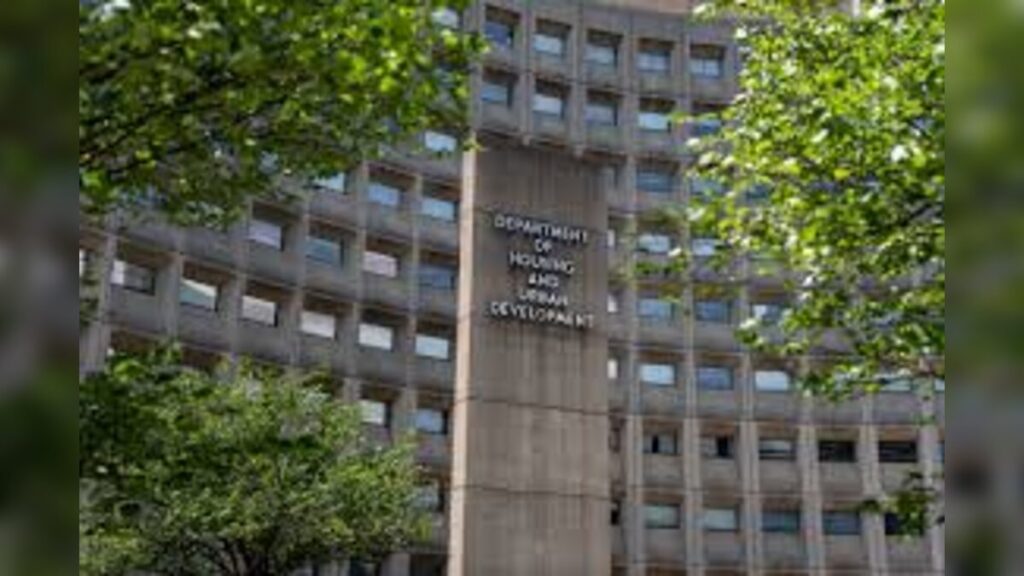
A recent ruling has put the spotlight squarely on the U.S. Department of Housing and Urban Development (HUD), after a judge determined that its attempt to revise how homeless funding is distributed crossed a legal line.
The decision didn’t just halt a policy tweak—it reopened a broader debate about how governments define and support homelessness in the first place.
At the heart of the case was HUD’s effort to adjust the criteria used to allocate federal funds to programs addressing homelessness.
These funds are critical lifelines for shelters, outreach initiatives, and housing support systems across the United States.
What HUD Tried to Change
HUD’s proposal aimed to reshape the scoring and eligibility rules tied to its Continuum of Care funding program.
In simple terms, it wanted to prioritize certain approaches and outcomes over others when deciding who gets funding.
Supporters of the change argued that the new criteria would push communities toward more data-driven and performance-based solutions. Critics, however, saw it differently.
They feared the revisions would sideline vulnerable groups or penalize programs that serve harder-to-reach populations—people who may not fit neatly into performance metrics but still need help.
Why the Judge Said “No”
The court found that HUD’s move didn’t follow proper legal procedures.
Federal agencies like HUD are required to go through specific rulemaking processes, including public notice and comment, before implementing significant policy changes.
In this case, the judge concluded that the agency effectively tried to make a substantial shift without fully complying with those requirements.
That made the changes unlawful—not necessarily because of their content, but because of how they were introduced.




It’s a classic example of process mattering just as much as policy in administrative law.
The Bigger Picture on Homelessness
Homelessness in the U.S. remains a persistent and complex issue.
On any given night, hundreds of thousands of people experience homelessness, with causes ranging from rising housing costs to mental health challenges and economic instability.
Federal funding plays a major role in how cities and nonprofits respond.
Programs supported by HUD often determine whether individuals receive emergency shelter, transitional housing, or long-term support.
That’s why even subtle changes in funding rules can ripple outward, affecting real lives in tangible ways.
Impact and Consequences
The immediate impact of the ruling is a pause.
HUD cannot proceed with its revised criteria, meaning funding decisions must continue under the existing framework—for now.
For service providers, this brings a mix of relief and uncertainty.
Organizations that feared losing funding may feel protected, but the broader question of reform remains unresolved.
There’s also a legal ripple effect. The ruling reinforces the importance of transparency and due process in federal policymaking.
Agencies may now tread more carefully when attempting similar changes, knowing courts are willing to intervene.
What’s Next?
HUD could choose to go back to the drawing board and reintroduce the proposed changes through the proper rulemaking process.
That would involve public input, revisions, and potentially a more refined version of the policy.
Alternatively, the agency might rethink its approach entirely, especially if the backlash signals deeper concerns from communities and advocacy groups.
Meanwhile, stakeholders—local governments, nonprofits, and housing advocates—are likely to stay engaged, pushing for reforms that balance accountability with compassion.
Summary
A federal judge has blocked HUD’s attempt to alter how homeless funding is distributed, citing procedural violations.
While the policy itself sparked debate, the ruling ultimately hinged on how the changes were implemented.
The decision underscores the delicate balance between reforming systems and respecting legal processes.
Bulleted Takeaways
- A judge ruled HUD’s funding criteria changes unlawful due to procedural missteps
- The case highlights the importance of public input in federal policy changes
- Homeless service providers rely heavily on HUD funding allocations
- The ruling temporarily preserves the existing funding framework
- HUD may revisit the proposal through proper legal channels
- The broader debate on how best to address homelessness is far from over
- Nigerians in Diaspora Organisation Americas South Savannah Honors Dr Morufu Alausa with Prestigious Education Award in Georgia After Sweeping Nigeria Reforms
- EU Urges Nigeria to Slash Food Waste and Boost Sustainability Across the Country
- Toxic Dust Cloud Engulfs Residents Across Yuma Arizona as Hazardous Air Pollution Forces Thousands Indoors
- Hezbollah Fighters Reveal Morale Collapse and Fear for Lives in Lebanon Conflict
- Myanmar Parliament Elects Military General as President Keeping Army in Power
- Geneva voters face decision on minimum speed law for major roads in Swiss canton as debate heats up
- SWISS Adds New Flights to Poznan and Rijeka from Zurich to Capture Summer Travelers in Europe
- Nicola Sturgeon Reveals Divorce Reasons and Reflects on Life After Politics in Scotland
- Veteran Pilot Dies After Crash Landing Self-Built Aircraft at Nayland Airfield
- Israeli children hum songs about drones as parents navigate daily life under constant conflict
- Governor Seyi Makinde Presents Staff of Office to Newly Elevated Obas in Ibadanland Despite Chiefs Absence
- Britain renames beloved breakfast favourite as EU labelling rules take effect

