
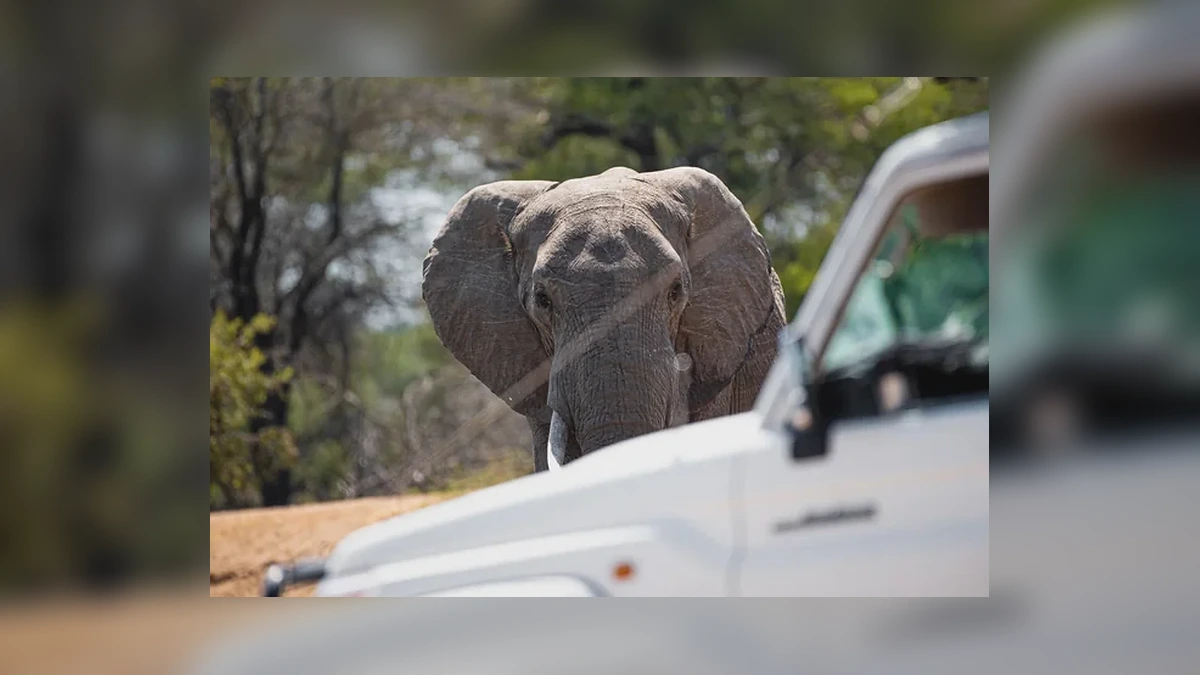
Visitors planning a self-drive safari in South Africa’s Kruger National Park do not need a specialised four-wheel-drive vehicle to explore most of the park.
The public tourist road network includes tarred roads and maintained gravel routes that are generally suitable for standard passenger vehicles, including sedans and hatchbacks.
According to SANParks, the designated tourist roads consist of tarred and good gravel routes, providing access to the main rest camps and various wildlife-viewing areas.
Although vehicles with higher ground clearance may offer greater comfort on uneven surfaces, a 4×4 is not a general requirement for visitors using the normal tourist roads.
What Drivers Should Know About Kruger’s Gravel Roads
Ordinary passenger vehicles can use many of the park’s gravel roads, but driving conditions may differ from one route to another.
Loose gravel, potholes, corrugations and muddy sections can make some roads more challenging, particularly following heavy rainfall.
Motorists are advised to reduce their speed, maintain a safe distance from other vehicles and avoid sudden braking or sharp steering movements.
Some routes may also become difficult to navigate or be temporarily closed after heavy rain. Visitors must observe road closure notices and follow instructions from park officials.




When a Four-Wheel-Drive Vehicle Is Required
A 4×4 becomes necessary for certain specialised trails that take visitors beyond the ordinary public tourist road network.
These routes provide access to more remote parts of the park and may include riverbeds, dongas, steep sections and muddy terrain that standard passenger vehicles cannot safely navigate.
SANParks offers several dedicated off-road and eco-trail experiences, including:
- Mananga 4×4 Adventure Trail: A 48-kilometre route located near Satara.
- Lebombo Eco Trail: A longer guided overland experience that follows the eastern boundary of Kruger National Park.
- Mafunyane Eco Trail: An eco-trail experience departing from Phalaborwa Gate.
- Malopeni Overnight Eco Trail: An overnight trail experience that also departs from Phalaborwa Gate.
Vehicle requirements vary between these experiences. Visitors should check the specific conditions of their chosen trail before making a booking, as some require genuine four-wheel-drive capability while others have different requirements.
These specialised routes are separate from the public roads used for regular self-drive game viewing.
Vehicle Restrictions Inside Kruger National Park
SANParks also imposes restrictions on certain vehicle categories within the park.
Caravans, trailers, coaches and buses are restricted to tarred roads. Motorcycles are not permitted inside Kruger National Park, while vehicles with an axle load exceeding 8,000kg are also prohibited.
Visitors travelling with larger vehicles or towing caravans should check the latest SANParks regulations before setting off.
What Visitors Should Consider Before Their Safari
For most self-drive visitors, a standard passenger car is sufficient to explore Kruger National Park, provided they remain on designated tourist roads and comply with the park’s driving regulations.
A four-wheel-drive vehicle is mainly relevant to visitors booking specific off-road trails rather than those planning a conventional self-drive safari.
Drivers should also check road conditions and vehicle restrictions before travelling, particularly during periods of heavy rainfall.
