
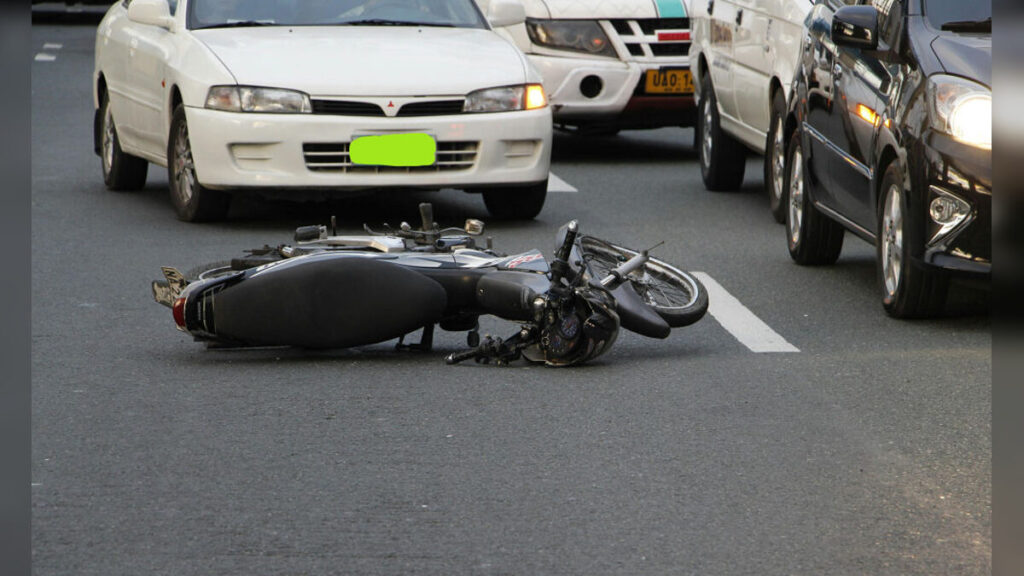
City streets today are alive with motion like never before.
Electric scooters weave through traffic, cyclists dart past buses, and delivery vans double-park as couriers race to meet deadlines.
The gig economy promised convenience at the tap of a screen—and it delivered.
But it also flooded urban roads with vehicles that infrastructure was never designed to handle, creating new challenges for safety, traffic management, and city planning.
Rising Risks: Data Highlights Growing Danger
Recent traffic data paints a troubling picture.
Over the past three years, accidents involving gig economy delivery vehicles have surged.
More vehicles mean more collisions, near-misses, and frustrated residents wondering when cities will catch up.
E-bikes and electric scooters—favoured by many app-based couriers—exist in a legal gray area.
Faster than traditional bicycles yet often unregulated like motorcycles, these vehicles create predictable conflicts.
Riders weave between sidewalks and roads, generating uncertainty for pedestrians and motorists alike.
Their quiet motors make them hard to hear, while drivers crossing bike lanes frequently misjudge speed, leading to near-misses or collisions.
Infrastructure Struggles to Keep Up
City planning has not adapted to this surge in delivery traffic.
Bike lanes are overcrowded, loading zones are sparse in older districts, and drivers are forced to improvise—stopping in bus lanes, parking scooters on sidewalks, or cycling against traffic to save seconds.
Some municipalities have tried to respond by expanding bike networks, creating delivery zones, and proposing e-bike licensing or vehicle caps.
But enforcement is patchy, and resistance comes from platforms worried about delivery times, workers fearing lost income, and consumers demanding ultra-fast service.
Motorcycles, Insurance Gaps, and Accountability
The growth of motorcycles and mopeds adds complexity.
Unlike e-bikes, they require licenses and insurance, but many riders operate with incomplete documentation due to economic pressures and lax enforcement.
When crashes happen, the contractor vs. employee distinction in gig platforms limits liability.
Insurance coverage varies depending on the delivery stage: en route, carrying an order, or simply logged into an app.
Some riders are left entirely uninsured if an accident occurs while waiting for an order.



This patchwork of protection raises questions about corporate responsibility and public safety.
The Human Cost of Speed
Data cannot fully capture the lived experience of gig workers and city residents.
Couriers face constant pressure to move faster, as algorithms and rating systems reward speed and penalize delays.
This incentivizes risky behaviour: running red lights, cutting through traffic, or skipping safety gear—not recklessness, but survival within a system that prizes throughput over safety.
Pedestrians bear the burden as sidewalks become unpredictable zones and crosswalks turn into negotiation spaces.
Vulnerable populations—parents with strollers, the elderly, and people with disabilities—navigate increasingly hostile environments.
Solutions like clearer lane enforcement, designated pickup zones, and stricter speed limits could restore balance.
Endnote: A Call for Urban Adaptation
The question for city planners is no longer whether adaptation is needed, but how fast it can happen.
The gig economy has transformed commerce in less than a decade—but now it is reshaping our streets, with safety consequences that are impossible to ignore.
Without proactive measures, urban life will continue to pay the price of convenience.
Impact and Consequences
-
Rising accident rates among delivery vehicles, e-bikes, and motorcycles threaten public safety.
-
Pedestrians and vulnerable populations face increased risks navigating city streets.
-
Urban infrastructure is overwhelmed, leading to ad hoc solutions like double-parked vans and scooter-blocked sidewalks.
-
Insurance gaps create financial risk for riders and victims of collisions.
-
Cities face pressure to balance convenience, worker protection, and safety.
What’s Next
-
Cities may implement designated delivery zones and expanded bike lanes.
-
Stricter regulations on e-bike speeds, licensing, and parking are likely.
-
Gig economy platforms could revise policies to clarify insurance coverage during all stages of delivery.
-
Municipal authorities will need better traffic enforcement and planning to reduce conflicts between delivery vehicles, pedestrians, and motorists.
Summary
The gig economy has brought unprecedented convenience to city life—but at a cost.
Traffic congestion, accidents, and legal ambiguities have emerged as pressing challenges, compounded by overtaxed infrastructure and a workforce incentivized to prioritize speed over safety.
Urban planners, platforms, and policymakers must act swiftly to prevent a human cost that grows with every delivery.
Bulleted Takeaways
-
Gig economy growth has increased urban traffic and accidents.
-
E-bikes and scooters operate in a legal gray zone, creating safety conflicts.
-
Infrastructure lag leads to double-parked vans, blocked sidewalks, and overcrowded bike lanes.
-
Insurance coverage gaps leave some riders and victims unprotected.
-
Delivery algorithms incentivize speed over safety, creating risky behaviours.
-
Pedestrians, parents, and vulnerable groups face heightened danger on city streets.
-
Solutions include dedicated lanes, regulated parking, e-bike licensing, and revised insurance policies.

