
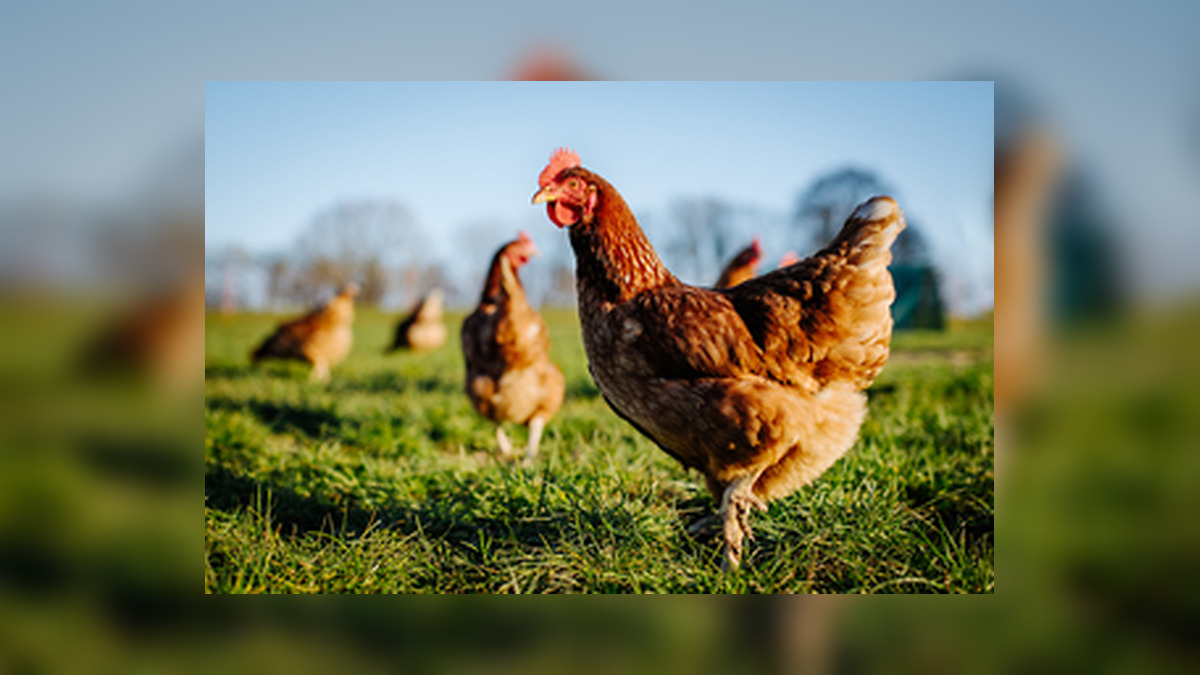
Bird keepers across the United Kingdom have been urged to strengthen measures to protect their animals following the return of avian influenza and warnings that the risk of further outbreaks could rise during the winter months.
The warning comes as migratory waterfowl, including ducks and geese, return to the UK to overwinter. These movements increase the importance of preventing contact between wild birds and poultry or other birds kept by people.
A case of highly pathogenic avian influenza (HPAI) was confirmed in Scotland the previous week, while the disease continues to circulate among wild birds and has spread to poultry and other kept birds in parts of Europe.
Chief Veterinary Officer Calls for Greater Vigilance
UK Chief Veterinary Officer Christine Middlemiss has called on all bird keepers to maintain robust biosecurity arrangements and monitor their animals for signs of illness.
She said effective biosecurity remained the strongest defence against the disease entering kept bird populations, stressing that protecting birds’ health and welfare required consistent action.
Middlemiss also urged keepers to report suspected cases to the Animal and Plant Health Agency (APHA) so that concerns could be investigated promptly.
The warning applies to commercial poultry farmers as well as people who keep pet birds, regardless of the size of their flock.
Simple Biosecurity Measures Could Help Prevent Outbreaks
Officials have outlined several practical steps that bird keepers can take to reduce the risk of avian influenza spreading to their animals.
Recommended measures include keeping poultry housing and surrounding areas clean, controlling rats and mice, and regularly disinfecting hard surfaces.
Keepers should also clean their footwear before and after entering areas where birds are kept, helping to reduce the possibility of carrying contamination between locations.



Feed and drinking water should be placed in fully enclosed areas where wild birds cannot access them. Spilled feed should be cleared away regularly to avoid attracting wild birds and other animals.
Outdoor Birds Need Protection From Wild Waterfowl
Keepers who allow birds outdoors are being advised to use fencing to restrict access to areas that could expose them to wild birds.
Where possible, domestic birds should be prevented from accessing ponds and other locations frequented by wild waterfowl, including ducks and geese.
Officials also recommend avoiding keeping ducks and geese alongside other poultry species where practical, as separating different groups can help reduce opportunities for disease transmission.
The advice is particularly relevant during the winter migration period, when wild waterfowl may come into contact with environments used by domestic birds.
Eligible Poultry Farmers Can Access £430 Biosecurity Reviews
Poultry keepers in England who meet the eligibility requirements can apply for a government-funded Poultry Biosecurity Review worth £430.
The programme includes a visit from a veterinary professional, a written assessment and recommendations tailored to the individual farm’s circumstances.
Farmers can select their own vet, allowing the review to account for the way their poultry operation is managed and identify areas where protective measures may need improvement.
The scheme forms part of the government’s Animal Health and Welfare Pathway, which provides funded support to help farmers reduce the risk of disease before it affects their animals.
Avian Influenza Continues to Circulate Across Europe
The latest UK warning comes amid continuing reports of avian influenza in wild birds across Europe, with infections also affecting poultry and other kept birds.
The return of migratory species adds to the need for careful monitoring, as wild birds can contribute to the spread of the virus across regions.
Although strong biosecurity cannot eliminate every risk, officials say it remains essential in limiting opportunities for infection to reach domestic flocks.
Bird Keepers Urged to Report Suspected Infection
Keepers are being encouraged to remain alert to unusual signs of illness in their birds and seek official guidance if they suspect avian influenza.
Suspected disease should be reported to APHA rather than ignored, allowing the relevant authorities to assess the situation and take appropriate action.
With winter approaching and wild waterfowl returning to the UK, officials are urging bird owners and poultry businesses to review their arrangements now instead of waiting for a suspected outbreak.
The message from veterinary authorities is clear: consistent hygiene, restricted contact with wild birds and prompt reporting are vital steps in protecting kept birds during the heightened-risk period.

