
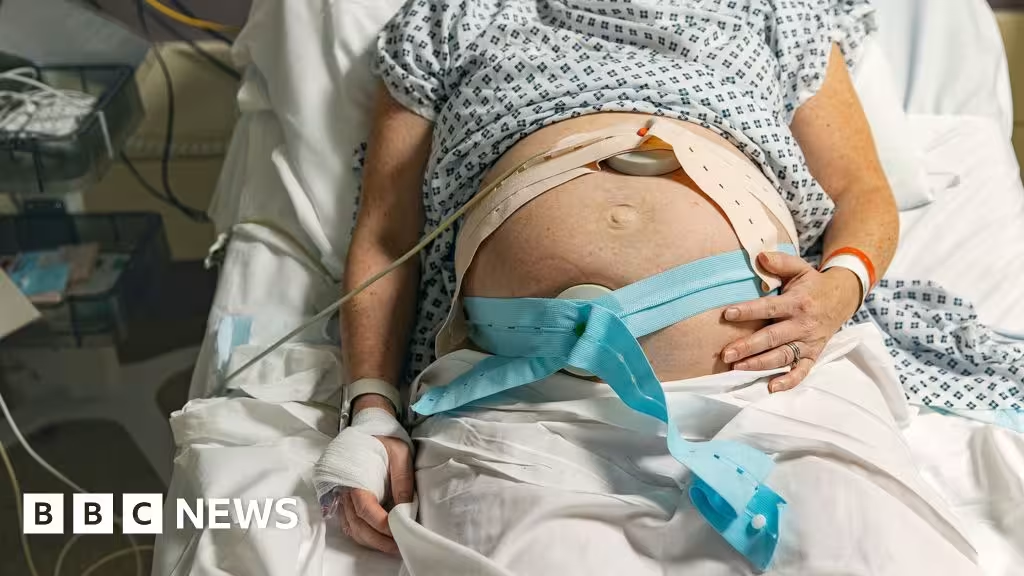
For years, serious concerns have been raised about the quality of maternity care across multiple NHS Trusts in England.
The BBC has spent over a decade speaking directly to families who have experienced loss or harm following childbirth, documenting patterns of failure and neglect.
These investigations have spanned hospitals in Morecambe Bay, Shrewsbury & Telford, East Kent, Nottingham, Leeds, and several others, revealing systemic problems that continue to trouble healthcare leaders and the public alike.
Families Speak Out After Tragedy
Bereaved families have consistently described experiences of poor communication, missed diagnoses, and inadequate monitoring during pregnancy and childbirth.
In many cases, these lapses led to life-changing injuries or preventable deaths.
By giving a voice to those affected, journalists have highlighted the human cost of systemic failures, showing that these were not isolated incidents but part of broader institutional weaknesses.
The BBC’s reporting demonstrates that families often feel ignored by hospitals or caught in slow bureaucratic processes when seeking accountability.
Their testimonies have painted a vivid picture of the emotional, physical, and psychological toll resulting from errors in maternity care.
Trusts with a Troubled History
Certain NHS Trusts have repeatedly appeared in investigations and reviews.
Morecambe Bay became widely known for maternity failings after a public inquiry uncovered avoidable deaths and unsafe practices.
Similarly, hospitals in Shrewsbury & Telford and East Kent have faced scrutiny following reports of high rates of poor outcomes and avoidable harm.




Other Trusts, including Nottingham and Leeds, have also been identified as having recurring issues.
Investigators consistently note that failures are rarely due to one individual but instead stem from systemic problems: poor oversight, inconsistent staff training, and failures to act on warning signs.
Systemic Problems Are Not New
These issues have been documented repeatedly over more than ten years.
Despite multiple inquiries, reviews, and media investigations, change has often been slow.
Experts argue that structural challenges—such as staffing shortages, pressure on resources, and fragmented communication between departments—have allowed preventable mistakes to persist.
The BBC’s investigations are particularly valuable because they compile evidence from across the country, revealing that the problem is widespread and not confined to one hospital or region.
This national perspective highlights the need for fundamental reforms rather than temporary fixes.
What’s Next?
Pressure is mounting for meaningful action.
Families and advocacy groups continue to call for stronger oversight, independent monitoring, and faster implementation of safety recommendations.
Some experts suggest nationwide audits of maternity services and clearer accountability for Trust boards.
For the NHS, the challenge lies in balancing resources, improving staff training, and ensuring that lessons learned from past failings translate into measurable improvements in patient care.
The coming months are likely to see further scrutiny, particularly as public attention remains focused on preventing repeat tragedies.
Summary
The BBC has spent more than a decade investigating failing maternity services across multiple NHS Trusts, documenting repeated harm to families in Morecambe Bay, Shrewsbury & Telford, East Kent, Nottingham, Leeds, and beyond.
Families’ testimonies reveal systemic issues—poor oversight, staffing challenges, and lapses in care—that have persisted despite previous inquiries.
Experts argue that without nationwide reforms and stronger accountability, preventable tragedies will continue.
The coming period will test whether the NHS can finally turn these lessons into lasting improvements.

