
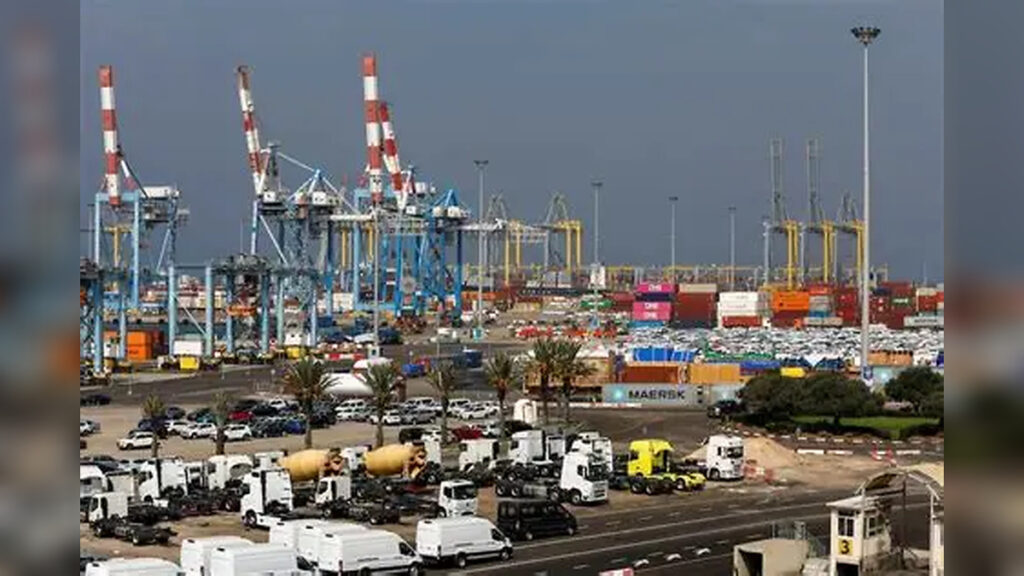
Ashdod Port Company has recorded a significant increase in revenue during the first half of 2026, supported by stronger activity across several major cargo categories despite intensifying competition in Israel’s port sector.
Revenue for the six months ending June reached NIS 657 million, representing an 11% increase from the NIS 593 million reported during the same period in 2025.
The company also delivered growth in the second quarter, with revenue rising 12% year-on-year to NIS 326 million, compared with NIS 291 million in the corresponding quarter last year.
Operating Performance Strengthens
The port’s improved revenue performance was accompanied by stronger underlying earnings during the second quarter.
Adjusted EBITDA climbed to NIS 76 million, marking a 10% increase from the same period in 2025.
The results indicate that higher activity and revenue translated into improved operating performance, even as Ashdod Port continues to operate in a competitive environment.
Net Profit Falls Despite Higher Revenue
The rise in revenue did not result in an increase in net profit.
Ashdod Port reported net income of NIS 64 million for the second quarter and NIS 76 million for the first six months of 2026.
The company attributed the decline in profitability compared with the previous year mainly to lower net financing income.
As of June 30, the port’s equity stood at NIS 2.772 billion, underlining the scale of its financial position as it continues investing in its infrastructure and operations.
Container Traffic Continues to Grow
Container handling remained an important contributor to the port’s activity during the first half of the year.
Ashdod Port processed approximately 370,000 containers in the first six months, up 2.6% from the same period in 2025.
The port maintained a 37.9% share of Israel’s container market when measured by twenty-foot equivalent units, or TEUs.
The increase comes as Israeli ports continue competing for cargo and customers while adapting to changing patterns of trade and shipping activity.
Vehicle Imports Deliver Another Boost
Vehicle handling also recorded a notable improvement.




The port handled approximately 54,000 vehicles during the first half of 2026, compared with 46,000 during the first half of the previous year.
The increase highlights the broader expansion in cargo activity and gives Ashdod another area of growth beyond its container operations.
Bulk Cargo Volumes Rise Seven Percent
Bulk cargo delivered an even stronger performance.
Volumes reached approximately 4.886 million tons during the first half, an increase of 7% compared with the corresponding period in 2025.
Ashdod Port accounted for 51.6% of the domestic bulk cargo market, giving it a leading position in the segment.
The figures reinforce the port’s importance in handling large-scale shipments that are critical to Israel’s wider economy.
General Cargo Faces Regulatory Changes
Not every cargo category experienced the same conditions.
General cargo volumes reached 452,000 tons during the first six months of 2026, although the company said activity in the segment was affected by changes to port regulations.
The regulatory changes added another challenge for the port as it sought to maintain growth across its different business lines.
Port Steps Up Infrastructure Spending
Ashdod Port’s management has continued to focus on long-term investment as competition within Israel’s maritime sector increases.
Chairman Shaul Schneider said the latest financial results demonstrated the port’s resilience and ability to generate cash while highlighting its importance to the Israeli economy.
The company is directing investment toward infrastructure, hinterland areas and equipment as part of efforts to strengthen its capacity and improve operations.
Management Targets Better Service for Customers
Chief Executive Officer Nissan Levi said the ongoing investments are intended to improve service and strengthen the port’s operational capabilities.
The strategy reflects a broader effort to adapt Ashdod Port to changing market conditions while ensuring it can respond effectively to customer requirements.
Upgrading equipment and developing infrastructure are expected to play an important role as the company seeks to improve efficiency and maintain its position in an increasingly competitive market.
What the Results Mean for Ashdod Port
The first-half figures present a mixed but generally positive picture for Ashdod Port.
Revenue and operating earnings increased, while container, vehicle and bulk cargo volumes all moved higher.
At the same time, net profit declined because of weaker financing income, showing that stronger operating activity does not necessarily translate directly into higher bottom-line earnings.
With substantial infrastructure investment continuing, the port is positioning itself for longer-term growth while navigating competition and regulatory changes across Israel’s shipping industry.
Summary
Ashdod Port generated NIS 657 million in revenue during the first half of 2026, up 11% from a year earlier, while second-quarter revenue rose 12% to NIS 326 million.
Container handling increased 2.6%, vehicle volumes rose from 46,000 to 54,000, and bulk cargo expanded 7% to 4.886 million tons.
Despite stronger operating performance, net profit fell to NIS 76 million for the first half, primarily because of lower net financing income.
The company says continued investment in infrastructure, equipment and hinterland facilities will be central to improving customer service and strengthening Ashdod Port’s position as competition in Israel’s port sector intensifies.

