
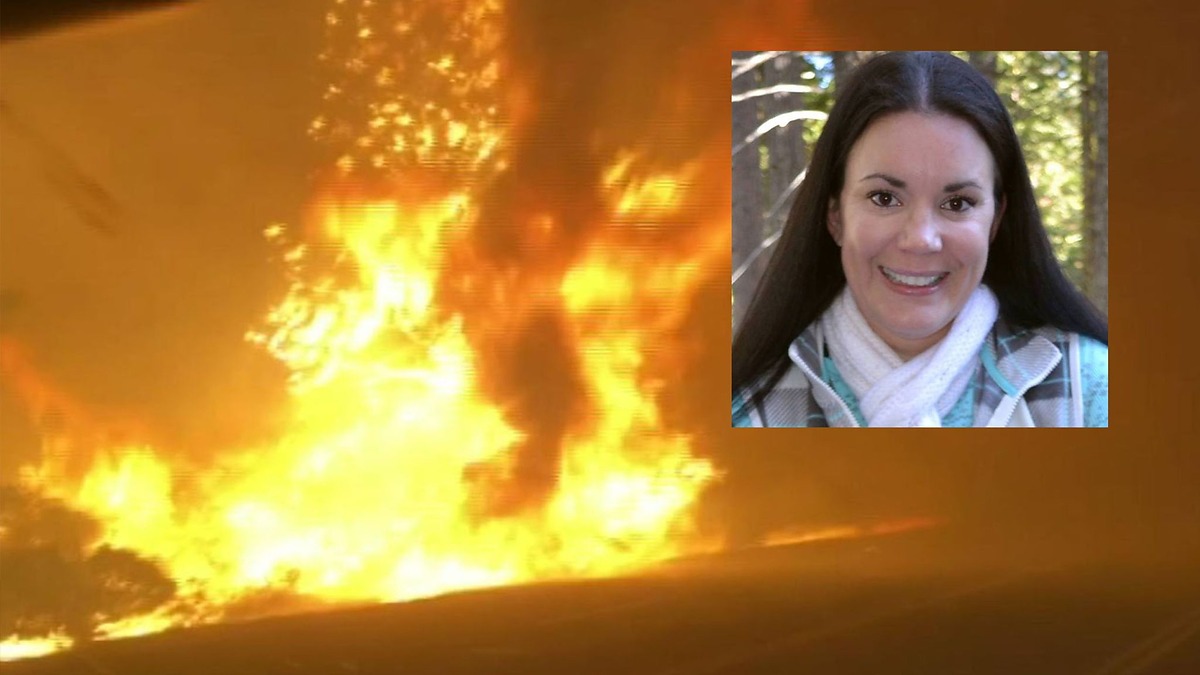
An inquest has concluded that a delay by an ambulance call handler in notifying the fire service contributed to the death of 29-year-old Amanda Edwards, who became trapped in her burning car following a collision with a drunk driver in Cheshire.
Edwards was travelling to work on the morning of April 13 when Andrew Dean, 59, crashed his Mini Cooper head-on into her Vauxhall Corsa in Frodsham.
Dean was reportedly driving on the wrong side of the road and travelling at between 67 and 76mph around a bend in a 50mph zone. A toxicology examination later established that his blood alcohol level was 124mg per 100ml, exceeding the legal limit of 80mg.
Edwards survived the initial impact but was left unconscious inside her vehicle. A fuel leak from Dean’s car subsequently ignited, trapping both drivers as the fire spread.
Motorists and Passers-by Tried to Rescue the Drivers
Witnesses described a chaotic scene as members of the public attempted to extinguish the flames and reach those trapped inside the vehicles.
Ben Statham, who initially contacted emergency services, used a fire extinguisher to tackle the blaze. A highway maintenance worker also joined the efforts, using four or five extinguishers.
One bystander attempted to force open Edwards’s driver’s door with a crowbar, while other motorists tried to contain the fire. However, the flames and smoke forced them to retreat.
A paramedic who attended the scene recalled people screaming and desperately trying to help the occupants.
Police and ambulance crews arrived, but the fire had made a rescue difficult. The Mini Cooper eventually exploded and became engulfed in flames, while Edwards remained trapped in her Corsa.
The fire service arrived at 8.46am, 31 minutes after the initial emergency call. By the time the blaze was extinguished, Edwards had died.
Call Handler Failed to Alert Fire Service Promptly
The inquest at Cheshire Coroner’s Court heard that North West Ambulance Service call handler Jennifer Campbell had been informed that there was a fire beneath the vehicles shortly after receiving the emergency call.
However, she prioritised assessing the two patients over the telephone instead of immediately alerting the outbound desk responsible for contacting the fire service.
Campbell told the court that she had felt overwhelmed by the situation and was uncertain about how to manage several competing priorities. These included deciding when to interrupt the medical assessment to notify firefighters and police, as well as responding to callers seeking instructions on extinguishing the flames and removing the occupants.



She also explained that one of the two managers expected to be on duty was absent. Campbell said the limited management resources available made her hesitate before asking for assistance.
Emergency Call Was Incorrectly Classified as Non-Urgent
Christopher Dempsey, representing North West Ambulance Service, told the inquest that the incident should have been classified as a category 1 emergency.
Under that classification, an ambulance should have been dispatched within three minutes of Campbell receiving the call. Information about the fire should also have been passed immediately to the outbound desk so firefighters could be contacted.
Instead, the call was initially classified as category 5, which is reserved for non-urgent incidents that do not require an ambulance.
The outbound desk was not informed about the fire until Campbell approached her manager and the incident was correctly reassessed.
Senior coroner Victoria Davies found that the emergency should have received a category 1 classification within a minute of the initial call. She said the fire service should have been notified by 8.18am, approximately three minutes after the call was received.
Coroner Says Firefighters Could Have Arrived 13 Minutes Earlier
The inquest heard that firefighters could have reached the crash scene at approximately 8.34am if the ambulance service had alerted them at the appropriate time.
At that point, the fire beneath Dean’s Mini Cooper had not yet spread to Edwards’s vehicle, meaning there may have been an opportunity to rescue her before the flames took hold.
Davies attributed the delay to Campbell’s lack of experience and confidence, her reluctance to seek assistance and her mistaken belief that completing the patient assessment should take priority over notifying the fire service.
The coroner described the failure to alert firefighters promptly as an error and concluded that the delay contributed to Edwards’s death.
Drink-Driving and Speed Identified as Causes of Collision
Davies found that the collision resulted from Dean’s manner of driving, which was likely influenced by alcohol consumption and excessive speed.
A forensic collision investigator estimated that Dean may have been travelling between 67 and 76mph in the 50mph zone.
A statement from his wife, Sarah Dean, read to the court, said her husband had consumed a couple of glasses of wine over the weekend.
However, a toxicologist said the alcohol concentration detected in his blood suggested that he had either consumed more alcohol on Sunday evening, continued drinking later than described, or a combination of both.
Coroner Records Cause of Death and Acknowledges Rescue Attempts
Davies concluded that Edwards died from the effects of the fire combined with the injuries she sustained in the road collision.
The recorded causes of death were the effects of a fire and multiple injuries sustained in a road traffic collision.
The coroner said the delay in notifying the fire service had contributed to the fatal outcome, noting that firefighters could have arrived before the flames spread to Edwards’s car.
She also recognised the efforts of members of the public who attempted to extinguish the fire and rescue both drivers despite the danger to their own lives.
Davies said their efforts were appreciated and acknowledged the risks they had taken while trying to help those trapped in the vehicles.
