
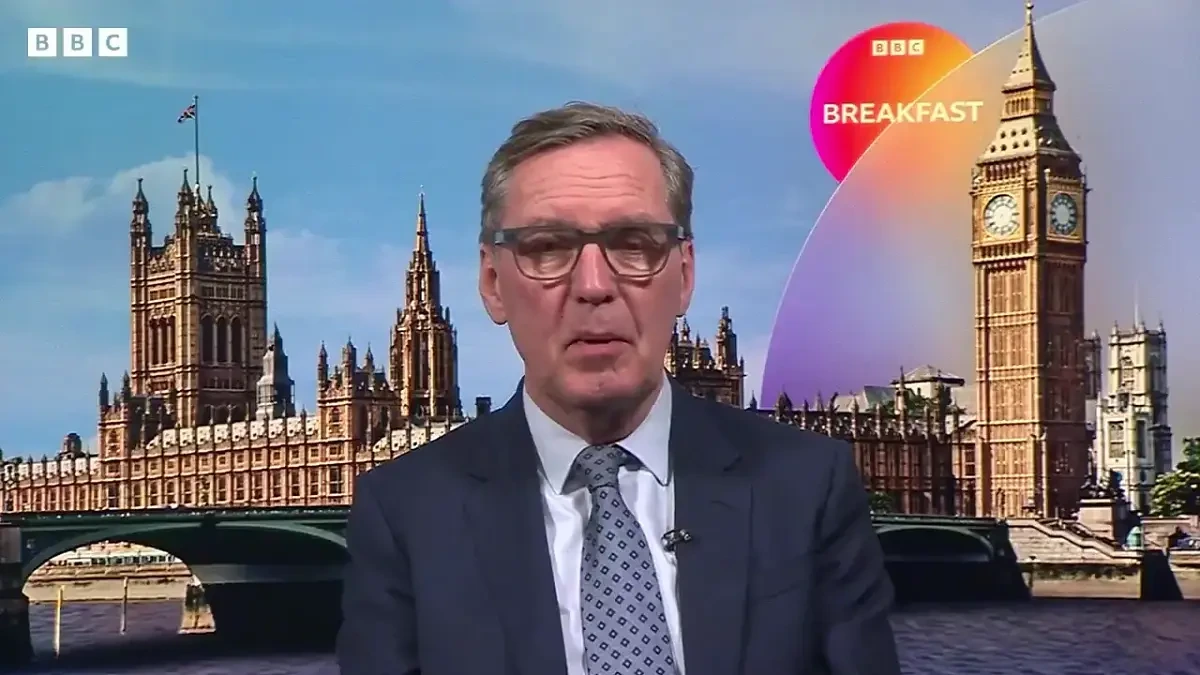
Alan Milburn, the Government’s adviser on youth unemployment, has criticised Labour’s economic policies, warning that increases in employers’ National Insurance contributions and the minimum wage have contributed to Britain’s growing youth jobs crisis.
Speaking during a series of broadcast interviews on Tuesday, the former Labour minister said there was “no doubt” that the measures had damaged business confidence and made employers more reluctant to recruit young workers.
“Employers have come to me and said that that has made it harder,” Mr Milburn said, referring to the Government’s changes to employment costs.
His comments came as he briefed Cabinet ministers on his major review into the growing number of young people not in education, employment or training, commonly known as NEETs.
Milburn Calls for Changes to National Insurance and Minimum Wage
The review recommends making it cheaper, simpler and less risky for businesses to employ young people.
Among its proposals is a gradual reversal of part of Chancellor Rachel Reeves’ £25 billion increase in employers’ National Insurance contributions.
Mr Milburn also wants the Government to slow increases in the youth minimum wage and reconsider elements of Angela Rayner’s Employment Rights Act.
He is expected to recommend raising the National Insurance earnings threshold from £5,000 to £10,000 over time.
Ms Reeves previously increased the headline rate of employers’ National Insurance while reducing the threshold at which businesses become liable to pay the tax from £9,100 to £5,000.
The changes brought more part-time and entry-level jobs within the scope of the contributions.
Mr Milburn will also argue that the Government’s efforts to bring the minimum wage for younger workers closer to the main adult rate have affected their employment prospects.
According to the review, wage costs for younger employees have increased by 65 per cent over five years.
Employment Rights Act Also Under Scrutiny
The former minister will raise concerns about the Employment Rights Act, particularly provisions aimed at ending zero-hours contracts.
He will argue that the proposed changes could make businesses less willing to recruit young people, potentially restricting opportunities for those seeking their first jobs.
Another recommendation is the introduction of legislation requiring ministers to assess how proposed tax increases and regulations could affect employment opportunities for young workers before implementing them.
Government Plans Billions in Youth Employment Support
Mr Milburn’s report will recommend billions of pounds in new employment schemes and subsidies to help address the number of young people who are currently outside education, employment and training.
More than one million young people in Britain are classified as NEETs, with the report describing the situation as a long-standing problem that has developed over approximately 25 years.
The review will warn that Britain now has the second-highest rate of youth unemployment in Europe.
It will also project that the number of young people neither working nor studying could increase to 1.27 million within five years if existing policies remain unchanged.




However, Mr Milburn will caution that reforming the welfare system will require substantial public investment, with meaningful financial savings unlikely to materialise for at least a decade.
Independent experts have estimated that implementing the proposals could cost the Government at least £6 billion annually.
Young People’s Guarantee Proposed
A central recommendation is the introduction of a new Young People’s Guarantee for everyone under 25.
Under the proposed scheme, young people would be entitled to access a training opportunity or employment placement.
They would also receive immediate access to mental health support to help them prepare for work.
However, those offered opportunities would be expected to take them up.
The proposals also include removing access to sickness and disability benefits for young people who refuse the opportunities provided, a recommendation that has already attracted opposition from Labour’s left wing.
The review will further recommend changes to the education system, urging schools to place greater emphasis on practical skills.
It also proposes doubling the number of young people undertaking apprenticeships over the next decade.
Milburn Targets 600,000 More Young People in Employment
The report will establish a national target of reducing the proportion of young people classified as NEETs from 13 per cent to five per cent over the next ten years.
Achieving that objective could result in approximately 600,000 additional young people entering employment.
Launching the findings, Mr Milburn is expected to describe Britain’s youth unemployment situation as a “moral crisis”.
He will argue that the growing number of young people excluded from work and education is not inevitable and that government decisions can determine whether another generation faces long-term economic inactivity.
He will also call for a complete overhaul of the welfare system, saying successive governments have failed to adequately address the problem for decades.
Kemi Badenoch Attacks Labour’s Approach
Conservative Party leader Kemi Badenoch welcomed the Government’s attention to youth unemployment but criticised the policies she believes contributed to the crisis.
She accused Labour of making it increasingly difficult for businesses to employ younger workers through higher National Insurance contributions, minimum wage changes and employment regulations.
Ms Badenoch questioned why the Government was considering paying businesses to recruit young people rather than reversing the policies that had increased recruitment costs.
She also challenged Labour’s commitment to reducing welfare spending, arguing that the review was unlikely to deliver meaningful savings for taxpayers.
The Conservatives have proposed reducing welfare spending by £36.1 billion, alongside plans to halve the National Insurance increase affecting young workers.
Reform UK and Conservatives Criticise the Recommendations
Reform UK’s education spokeswoman, Suella Braverman, described the findings as an admission that Labour’s employment tax policies had failed.
She argued that the National Insurance changes had damaged employment opportunities, particularly for younger workers, and accused the Government of ignoring warnings about their potential consequences.
Ms Braverman also criticised the proposed timeline for addressing the crisis, warning that waiting another decade could leave an additional generation without meaningful employment opportunities.
Shadow Work and Pensions Secretary Helen Whately also criticised the review, although she agreed with Mr Milburn’s assessment of the tax and regulatory pressures placed on businesses.
She argued that the proposals were too cautious, would not significantly reduce welfare spending and would do little to help young people currently dependent on benefits.
Government Yet to Commit to Full Implementation
Work and Pensions Secretary Pat McFadden is expected to welcome the review’s recommendations but is unlikely to accept all of them.
The Government is expected to endorse most of the proposals while rejecting, or stopping short of adopting, the recommendation to reduce National Insurance contributions for businesses employing young people.
Legislation to implement any changes is not expected until the middle of next year.
The delay has fuelled speculation about the timing of a possible May general election, while Labour MPs are also threatening opposition to proposals that could restrict access to welfare benefits.
The review is central to Andy Burnham’s argument that Labour can reduce the rising welfare bill without resorting to what he describes as crude benefit cuts.
