
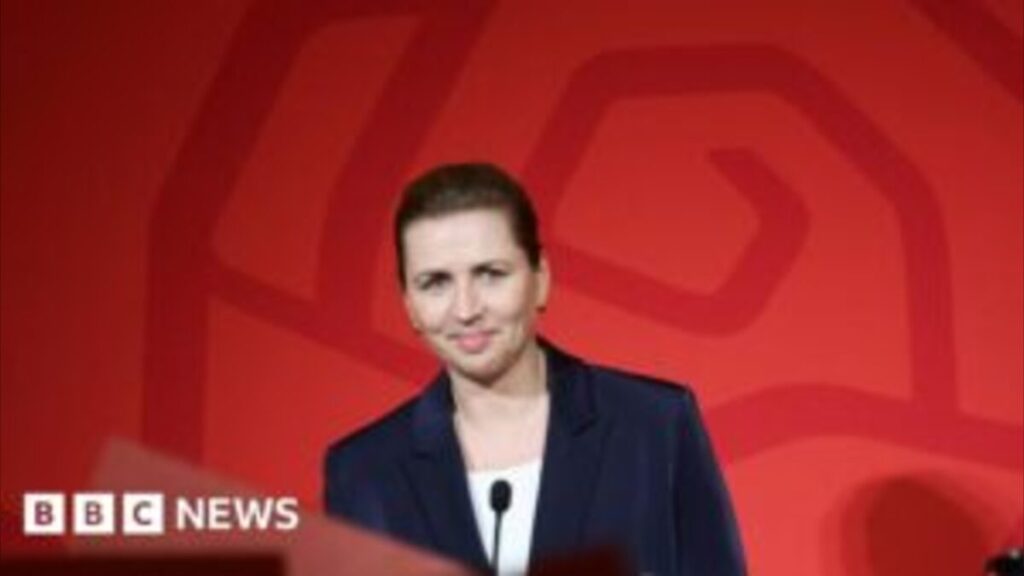
Denmark’s political scene is entering a period of uncertainty and potential realignment.
Troels Lund Poulsen, leader of the Liberals—the largest party in the so-called blue bloc—has openly rejected the idea of forming another coalition with the Social Democrats.
His statement signals a clear push toward a new direction for the country, one that leans firmly to the right.
Poulsen’s Call to the Center-Right
Speaking to supporters and the press, Poulsen urged former Prime Minister Lars Løkke Rasmussen to join forces with him and the rest of the right-wing bloc.
“It is possible to get a new direction in Denmark,” he said, emphasizing that a center-left partnership is no longer on the table.
Analysts interpret this as a strategic move to consolidate the blue bloc and present voters with a cohesive alternative to the Social Democrats ahead of upcoming elections.
The Blue Bloc’s Strategy
The blue bloc, which encompasses several center-right and right-wing parties, has struggled to maintain unity in the past.
Poulsen’s bold statements indicate an effort to strengthen cohesion by rallying around clear leadership and shared policy priorities.



Topics likely to dominate this renewed agenda include fiscal responsibility, immigration, and business-friendly reforms—traditional hallmarks of the Liberals.
Social Democrats’ Position
Meanwhile, the Social Democrats have not commented publicly on Poulsen’s rejection of a coalition.
Political insiders note that the party may need to rethink strategies to maintain influence in parliament, especially if the right consolidates under Poulsen’s leadership.
There’s also speculation that voters may respond either by doubling down on support for the Social Democrats or by shifting toward Poulsen’s vision for a right-leaning government.
Impact and Consequences
Poulsen’s announcement could reshape Denmark’s political landscape.
If the right bloc successfully unites, the Social Democrats may face their first serious challenge in several election cycles.
Policy priorities may shift sharply, particularly on economic and immigration issues, potentially affecting business confidence and social programs.
Moreover, the move could accelerate debates about Denmark’s role in the European Union and international affairs, as center-right governments often push for different approaches than their left-wing counterparts.
What’s Next?
The coming weeks are likely to be decisive:
- Poulsen and Rasmussen must negotiate the terms of a unified right-wing agenda
- Smaller parties in the blue bloc may weigh joining or opposing this coalition
- The Social Democrats will need to articulate a counter-strategy to maintain voter support
- Public opinion polls and local elections will provide clues about which direction Danish voters favor
Observers are watching closely to see whether Denmark will pivot sharply to the right or continue under a more centrist government.
Summary
Troels Lund Poulsen has rejected a coalition with the Social Democrats and called for a united center-right government in Denmark.
This move signals a potential major shift in Danish politics, with implications for domestic policy, international relations, and voter alignment.
The next steps will likely involve negotiations among right-wing parties and strategic responses from the Social Democrats.
Bulleted Takeaways
- Troels Lund Poulsen rules out coalition with Social Democrats
- Poulsen urges Lars Løkke Rasmussen to join forces on the right
- Blue bloc seeks to present a unified center-right alternative
- Policy focus may shift toward fiscal responsibility, immigration, and business reform
- Social Democrats must reassess strategies to maintain influence
- Potential impact on Denmark’s EU role and international policy
- Upcoming weeks critical for negotiations, voter response, and political alignment

