
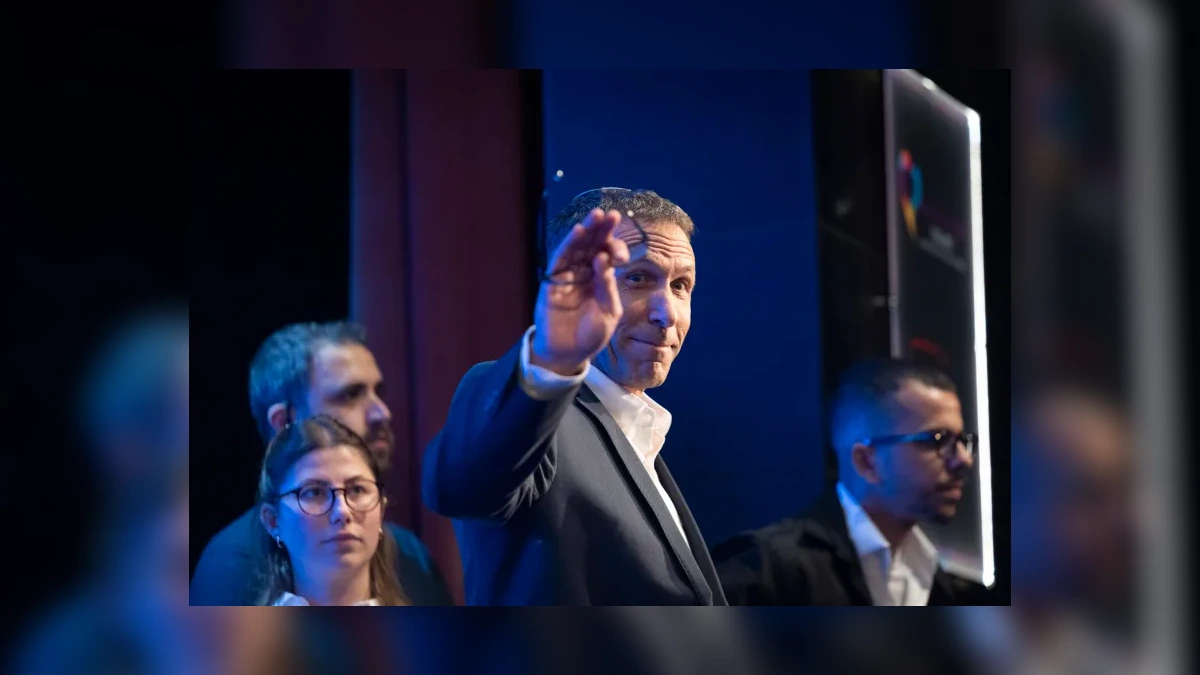
Israel’s Likud party, led by Prime Minister Benjamin Netanyahu, has nominated MK Ofir Katz as its candidate for Knesset speaker, challenging the candidacy of Yashar MK Matan Kahana in Tuesday’s parliamentary vote.
The move is aimed at securing support from the haredi parties and preventing the bloc led by Gadi Eisenkot from installing its preferred candidate.
Shas announced on Tuesday that it would support Katz and oppose Kahana. Likud officials also said that United Torah Judaism (UTJ) would back the Likud nominee.
In a statement, Shas said: “The Shas faction will support the candidacy of Likud representative Katz for the position of Knesset speaker and will oppose the candidacy of Kahana.”
The vote is taking place in the Knesset plenum following the inauguration of the 26th Knesset, as political parties seek to establish control over the parliament’s leadership.
Smotrich’s Support Offer Rejected by Kahana
The contest followed an offer made on Monday by Finance Minister Bezalel Smotrich to support Kahana’s candidacy on behalf of his Religious Zionist Party.
Smotrich’s proposal included conditions requiring Kahana to refuse to appoint deputy speakers from the Arab parties Ra’am and the Joint List.




He also demanded that Kahana agree to make his tenure conditional on the formation of a new government and resign if requested by the incoming administration.
Kahana rejected the conditions in a letter addressed to Smotrich, criticising the proposal for seeking to exclude Arab representation from the Knesset.
“I reject your anti-statesmanlike demand and call on you to respect the democratic process and its results,” Kahana wrote.
Eisenkot Bloc Concerned About Possible Delay to Vote
Meanwhile, the bloc led by Eisenkot is preparing for the possibility that government ministers could attempt to delay the speaker election through extended speeches, according to N12.
The bloc reportedly fears that a minister could occupy the parliamentary podium for several hours and refuse to step down, pushing the vote late into the night.
Such a situation could lead to a confrontation in the Knesset chamber, including the possibility of a minister being physically removed from the podium.
The concerns have also raised the prospect of disorder during the parliamentary proceedings.
Dispute Over Speaking Rules in the Knesset
Under existing Knesset rules, government ministers are generally allowed to speak without time restrictions during certain debates, although exceptions apply.
However, the Eisenkot-led bloc argues that the election of the Knesset speaker should be treated differently from ordinary legislative debates.
Its position is that the vote concerns an internal parliamentary appointment rather than regular government business, meaning ministers should not be permitted to speak indefinitely.
The bloc is seeking to prevent any procedural obstruction that could interfere with the scheduled election of the new speaker.

