
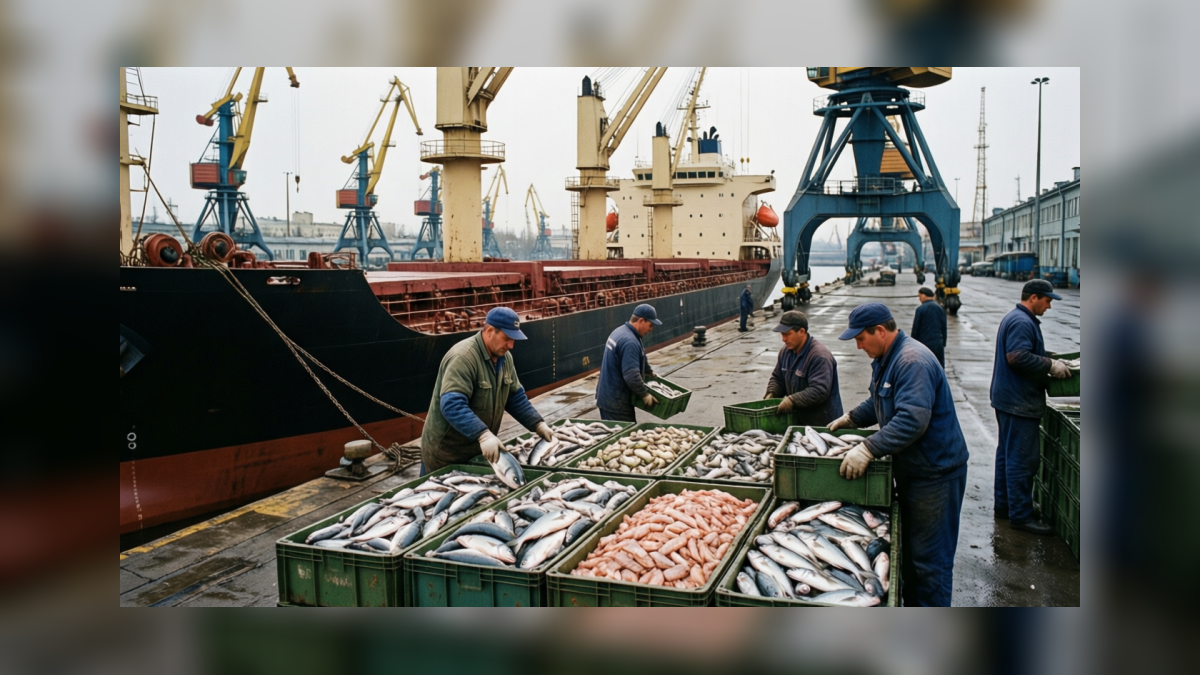
Canada and China have agreed to expand their tariff de-escalation arrangements, with Beijing removing duties on approximately C$400 million worth of previously affected Canadian pork, fish and seafood exports.
The agreement is intended to restore access for Canadian producers to the Chinese market after trade restrictions disrupted bilateral commerce.
As part of the reciprocal arrangement, Canada has extended tariff exemptions covering selected steel and aluminium products imported from China. The exemptions will remain in place beyond their original 2026 expiry date.
The changes were announced following discussions between Canadian Prime Minister Mark Carney and Chinese President Xi Jinping during the Asia-Pacific summit in Shenzhen.
Carney and Xi Discuss Wider Trade Relations
The latest measures form part of efforts by Canada to diversify its international trading relationships and reduce its reliance on the United States.
Trade restrictions introduced between Canada and China since 2023 had affected several sectors and disrupted the movement of goods between the two countries.
The removal of duties on Canadian agricultural and seafood exports is expected to reduce the cost of supplying the Chinese market, while the extended exemptions on steel and aluminium are intended to prevent additional expenses for Chinese manufacturers that rely on those materials.
Chinese Electric Vehicle Agreement Remains Part of Trade Framework
The expanded tariff arrangements build on an earlier agreement reached in January 2024, which allowed up to 49,000 electric vehicles manufactured in China to enter the Canadian market.




Those vehicles now qualify for a preferential tariff rate of 6.1 per cent, consistent with the level applied before the retaliatory trade restrictions.
The arrangement provides a route for Chinese electric vehicles to enter Canada, while the latest tariff relief supports the movement of Canadian pork, fish and seafood into China.
Canada Says More Than 90% of Affected Trade Has Regained Market Access
According to the Canadian government, the cumulative trade arrangements have restored market access for more than 90 per cent of exports previously affected by tariffs.
The restored access represents nearly C$7.5 billion in Canadian exports.
The latest C$400 million relief is particularly relevant to producers in British Columbia and Atlantic Canada, where fishing, seafood and pork-related industries contribute to regional economic activity.
However, the renewed access represents a limited portion of Canada’s overall international trade, with exports to the United States remaining substantially larger than those to China.
Existing Transport Infrastructure to Support Renewed Exports
The tariff changes are expected to rely largely on existing infrastructure used to transport Canadian agricultural and seafood products.
Cold-chain facilities, specialised shipping routes and port operations are already available to handle these exports. The main adjustment therefore concerns the financial conditions under which the goods enter the Chinese market.
Removing the duties lowers the cost of accessing the market but does not change existing supply-chain requirements or competition from other international suppliers.
The extended exemptions for Chinese steel and aluminium products also maintain existing trading arrangements for manufacturers that depend on those materials.
The latest measures are intended to stabilise trade flows that had been affected by earlier restrictions, while restoring access for selected industries in both countries.
