
A recent survey by the Israel Democracy Institute reveals a stark divide in public opinion on Operation Roaring Lion.
While a majority of Israeli Jews back the military campaign against Iran, Israeli Arabs show widespread skepticism.
The study sheds light on differing perceptions of safety, strategic goals, and the likely duration of the conflict.
Support for the Operation Among Israeli Jews
The survey indicates strong backing from Jewish respondents.
About 71% believe the operation will successfully dismantle Iran’s nuclear and ballistic missile programs.
In addition, 60% of Israeli Jews think the campaign could lead to regime change in Tehran.
This enthusiasm underscores a belief that the war could fundamentally alter Iran’s strategic posture in the region.
It also reflects long-standing security concerns among Jewish Israelis, who have historically perceived Iran as an existential threat due to its nuclear ambitions and support for regional militias.
Israeli Arabs Remain Pessimistic
By contrast, Israeli Arabs are far less confident in the operation’s success.
Only 25–33% believe that Iran’s nuclear and missile programs could be fully destroyed or that regime change could occur.
Furthermore, 65% of Arab respondents oppose the military action altogether.
This divergence highlights broader political and social fault lines within Israel, with Arab citizens often expressing wariness about escalation and its impact on civilian life.
Safety Perceptions Across Israel
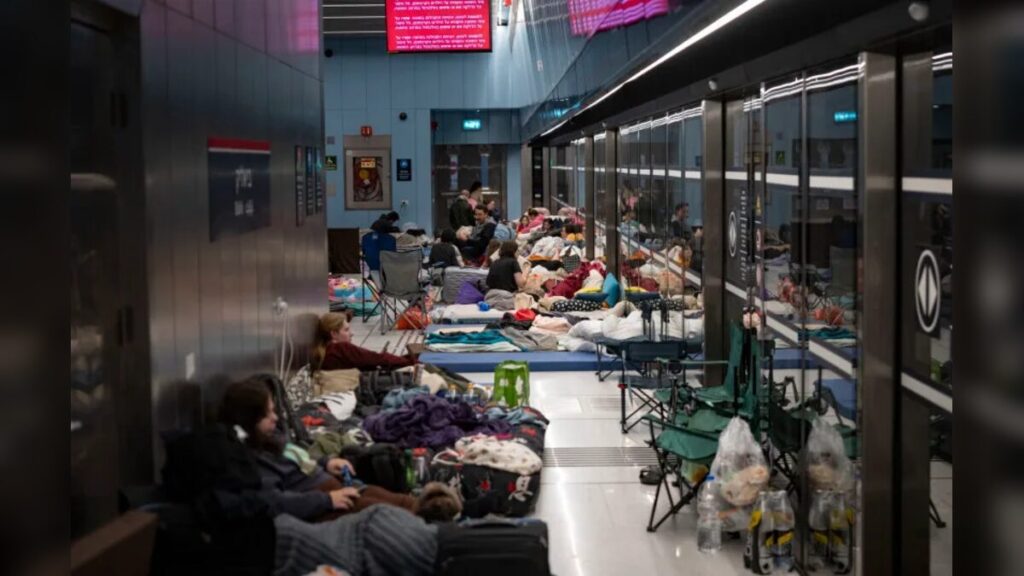
The survey also explored how Israelis feel about their personal safety amid missile threats from Iran.
Most Jewish respondents feel reasonably secure, yet people in urban centers like Haifa and Tel Aviv report feeling particularly vulnerable.
Among Israeli Arabs, feelings of protection are far lower—only 15% say they feel safe from missiles and rockets.



This disparity reflects differing levels of access to civil defense infrastructure, public shelters, and perceptions of government preparedness.
Expected Duration of the Conflict
Both Jewish and Arab respondents generally agree on how long the operation will last.
Most estimate the conflict will span three weeks to one month, suggesting widespread belief in a swift, decisive campaign rather than prolonged warfare.
Survey Details
The online survey was conducted from March 9 to March 11, 2026, interviewing 502 Hebrew-speaking adults and 101 Arabic-speaking adults.
The sample represents Israel’s adult population aged 18 and older and provides a snapshot of national sentiment during an ongoing military operation.
Impact and Consequences
Public opinion, as revealed by the survey, can have tangible effects on government decision-making and military strategy.
Strong Jewish support may embolden policymakers to continue aggressive actions, while widespread Arab opposition could fuel domestic tensions, protests, or demands for greater civilian protections.
Perceptions of vulnerability in cities like Haifa and Tel Aviv may also influence civil defense policies, potentially prompting the expansion of shelters, early warning systems, and emergency preparedness campaigns.
What’s Next?
As Operation Roaring Lion continues, opinion polls will likely be closely monitored to assess shifts in public confidence, perceived safety, and attitudes toward the campaign’s objectives.
International observers may also interpret the survey results as indicative of internal divisions that could affect Israel’s political and security landscape.
Officials may respond by intensifying information campaigns, emphasizing operational successes, or seeking to reassure both Jewish and Arab populations about safety measures.
Summary
A recent Israel Democracy Institute survey shows deep divisions over Operation Roaring Lion.
Most Israeli Jews support the operation and its goals of dismantling Iran’s nuclear and missile programs, while the majority of Israeli Arabs oppose the war and feel less protected from missile threats.
Both communities expect the conflict to last less than a month, and perceptions of vulnerability vary by location.
Bulleted Takeaways
-
71% of Israeli Jews believe Iran’s nuclear and missile programs will be destroyed during Operation Roaring Lion.
-
60% of Jewish respondents think the operation could lead to regime change in Iran.
-
65% of Israeli Arabs oppose the military campaign and feel less confident about its success.
-
Only 15% of Israeli Arabs feel safe from missile threats, compared to higher confidence among Jewish Israelis.
-
Residents of Haifa and Tel Aviv report feeling the most vulnerable to attacks.
-
Both Jewish and Arab populations expect the operation to last three weeks to a month.
-
Survey conducted online March 9–11, 2026, with 603 adult participants representing a national sample.
-
Public opinion could influence military strategy, civil defense measures, and domestic political stability.
- Nigerian Naira Holds Firm Against US Dollar Amid Calm Trading in Lagos and Abuja Markets
- Lebanese Born Man Drives Explosive Laden Truck Into Michigan Synagogue Causing Chaos
- Iranian Drones Strike Dubai Financial District Causing Explosions and Chaos
- Israel Launches Massive Airstrikes Against Iranian Missile Sites in Central and Western Iran
- Pensioner Faces Arrest for Fake Passport Scheme at Dublin Airport
- Fatal Truck and Van Collision Kills Man and Forces Major Motorway Closure in County Meath Ireland
- Iran Deploys Hoot Torpedo Threatening US Warships In The Strait Of Hormuz
- Secretary of State Appoints Kate Sayer to Charity Commission Board in England and Wales
- Iran’s Supreme Leader Threatens Mass Violence and Regional Control from Tehran
- Zelensky Rejects Moscow Demands and Defends Ukraine Territory in Kyiv
- Met Éireann Issues Yellow Wind Warning Causing Travel Chaos Across Ireland
- Ousmane Sonko proposes strict punishment for acts against nature in Senegal

