
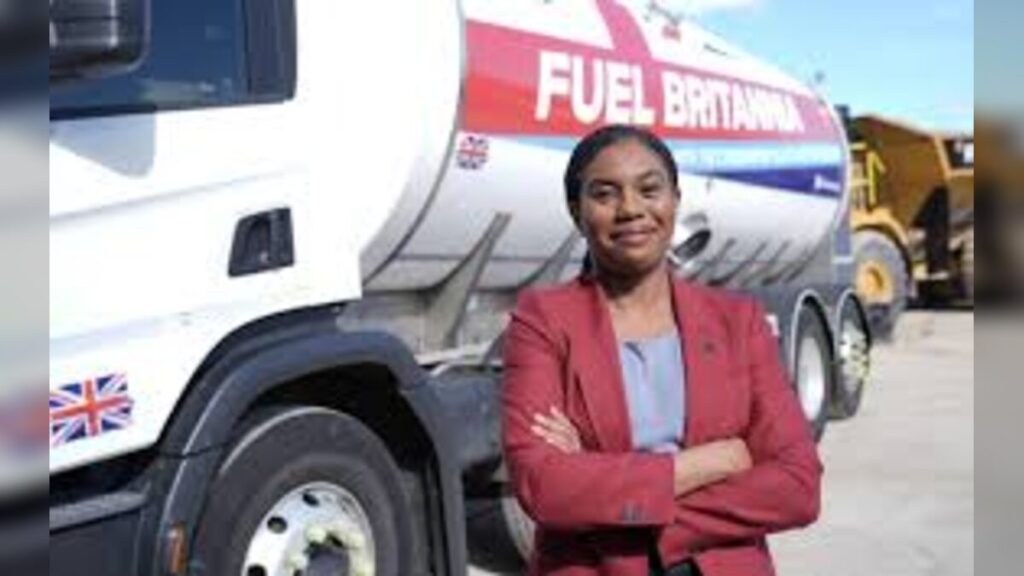
Conservative leader Kemi Badenoch is stepping up her campaign on the cost-of-living crisis with a headline-grabbing proposal: slash energy bills by nearly £200.
The announcement comes as she calls for a major rethink of the UK’s current energy strategy, including lifting restrictions on new drilling in the North Sea.
Speaking ahead of a visit to an offshore oil rig, Badenoch framed the move as urgent relief for households already feeling the squeeze from rising costs and global instability.
Breaking Down the ‘Cheap Power Plan’
At the heart of her proposal is a mix of tax cuts and policy reversals.
Badenoch wants to remove VAT from energy bills, scrap certain green levies, and rethink subsidies tied to renewable energy projects.
Here’s how the savings could stack up:
- Around £94 off bills through a temporary VAT cut
- Roughly £75 saved by removing carbon-related charges
- About £22 trimmed by ending certain windfarm subsidies
Altogether, that brings the total potential reduction to approximately £191 per household annually.
She has also taken aim at policies associated with Ed Miliband, arguing that current energy taxes are adding unnecessary pressure on consumers.
A Return to Oil and Gas?
Beyond immediate bill relief, Badenoch is pushing for increased domestic energy production.




That includes expanding oil and gas extraction in the North Sea and even revisiting the controversial topic of fracking.
Her argument is simple: boosting supply at home could reduce reliance on imports, stabilize prices, and protect jobs in the energy sector.
She also claims such measures could generate up to £25 billion in tax revenue over the next decade.
Politics Meets Global Pressure
The proposal comes at a time when global energy markets remain volatile, partly due to tensions involving Iran.
Concerns about potential disruptions to oil supply have already sparked fears of rising energy costs, especially heading into winter.
Badenoch has criticized suggestions that middle-income households could end up subsidizing energy costs for lower-income groups if prices spike, calling the idea unfair.
A Debate Over Energy Priorities
The plan highlights a broader political divide in the UK:
- One side prioritizes renewable energy and long-term climate goals
- The other emphasizes affordability and energy independence
Critics argue that removing green levies could slow progress toward net-zero targets, while supporters say immediate financial relief for households should take precedence.
Impact and Consequences
If implemented, Badenoch’s plan could have wide-reaching effects:
- Immediate reduction in household energy bills
- Increased investment and activity in North Sea oil and gas
- Potential slowdown in renewable energy development
- Higher government revenue from expanded fossil fuel production
- Renewed debate over fracking and environmental concerns
What’s Next?
The proposal is likely to spark intense debate in Parliament and beyond.
Key questions remain:
- Will the government consider lifting the North Sea drilling restrictions?
- Can tax cuts be balanced with environmental commitments?
- How will energy policy evolve if global tensions continue to push prices upward?
With winter approaching and energy costs under scrutiny, the pressure on policymakers is only expected to grow.
Summary
Kemi Badenoch has unveiled a plan aimed at cutting nearly £200 from energy bills by removing taxes and boosting domestic energy production.
While the proposal promises relief for households, it also raises important questions about the UK’s long-term energy strategy and environmental commitments.
Bulleted Takeaways
- Badenoch proposes cutting energy bills by up to £191 annually
- Plan includes removing VAT and scrapping green levies
- Push to expand oil and gas production in the North Sea
- Fracking could return with increased incentives for communities
- Proposal comes amid global energy uncertainty linked to Iran tensions
- Debate intensifies between affordability and climate goals
- Plan could boost government revenues while reshaping UK energy policy

