
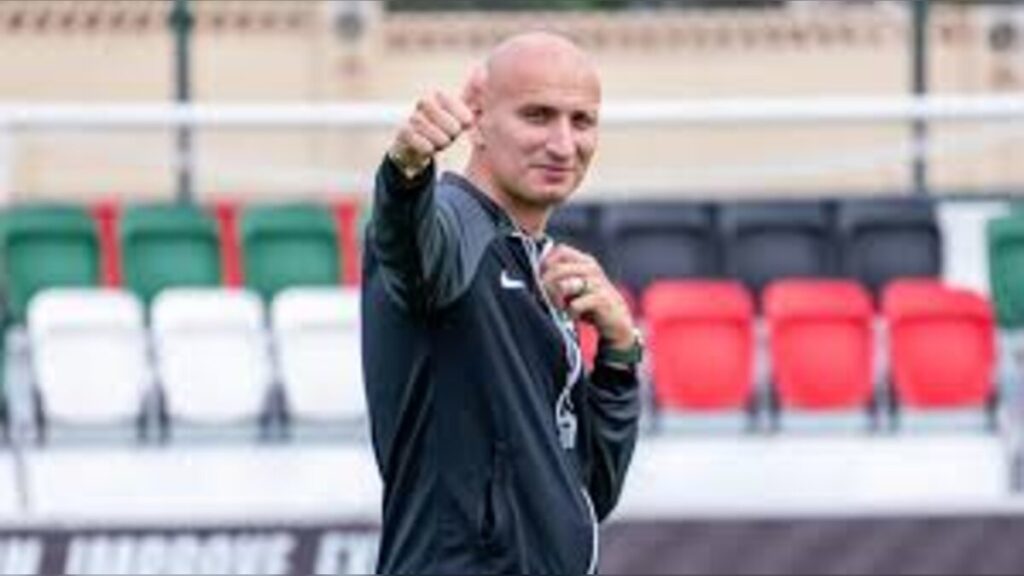
The football world rarely serves up a transition quite like this.
One moment, you’re battling in midfield in the Premier League; the next, you’re managing a second-tier club in Dubai while regional tensions flicker in the background.
That’s the new reality for Jonjo Shelvey, who has stepped into management with Arabian Falcons FC in the United Arab Emirates.
The former England international has insisted he feels settled and safe in the Middle East despite the wider geopolitical tension in the region.
For him, the focus is no longer on tackles or passes, but on shaping young players and building a team identity from scratch.
From Premier League pitches to the dugout in the UAE
Shelvey’s playing career took him through clubs like Liverpool, Swansea, Newcastle and Nottingham Forest, before a later stint abroad in Turkey and ultimately a move to the UAE in 2025.
His football journey has always been restless, but this shift feels different—it is permanent and intentional.
Now at Arabian Falcons FC, he is tasked with guiding a developing squad aiming for promotion in a competitive but less globally spotlighted league structure.
The challenge is less about fame and more about building something sustainable.
That includes long training sessions, strict fitness demands, and a clear tactical identity that he is still shaping in real time.
“Eddie Howe was massive for me” — the managerial blueprint forming
Even in his early coaching days, Shelvey is already leaning heavily on lessons from past managers.
He repeatedly highlights Eddie Howe as the biggest influence on his coaching philosophy.
Howe’s attention to detail, structured training sessions, and emphasis on discipline left a lasting impression.
Shelvey also references the attacking creativity of Michael Laudrup and the motivational style of Scott Parker as other key influences.
He has even built personal archives of training drills from his playing days—notes he now pulls from when planning sessions for his squad.
A mix of football philosophy and hard edges
Shelvey’s coaching style, as he describes it, is not one-dimensional.




It blends pressing intensity, quick transitions, and direct attacking movement with disciplined defensive structure.
He wants his team to be physically strong, tactically flexible, and uncomfortable to play against.
At the same time, he insists on possession-based football when possible, though not to the extreme of possession-heavy systems seen in elite European clubs.
In his own words, it’s a “mixture”—a hybrid identity still under construction but already demanding in training.
Life in Dubai and the wider reality outside football
While football dominates his schedule, Shelvey’s comments about life in the UAE have also drawn attention.
He claims daily life feels secure and routine, even when regional tensions make international headlines.
He has contrasted that with what he describes as rising insecurity in the UK, arguing that life abroad feels more stable for his family.
These views reflect a broader trend of athletes relocating to the Gulf region in recent years for lifestyle, safety, and professional opportunities.
Figures across sport—including retired footballers and elite athletes—have increasingly moved to the UAE, contributing to its growing reputation as a sporting and financial hub.
Management mindset shaped by discipline and mistakes
Shelvey also draws heavily from moments in his playing career where discipline issues and red cards forced him to deal with managers in different ways.
He recalls contrasting reactions: some coaches were strict and confrontational, while others, like Rafael Benítez, took a calmer, development-focused approach.
That balance now informs how he intends to manage players himself.
It’s less about punishment, he suggests, and more about understanding individual psychology.
Impact and Consequences
Shelvey’s transition highlights a growing pattern in modern football: players moving into management earlier, often outside Europe’s top leagues, where pressure is different but responsibility is immediate.
For Arabian Falcons FC, his appointment brings attention, experience, and a recognizable name, which can help attract both players and investment interest.
However, it also places pressure on a relatively inexperienced coach learning in real time.
His outspoken views on life in the UK versus the UAE are likely to fuel debate, especially given ongoing conversations about athlete migration and lifestyle-driven career decisions.
What’s next for Shelvey and Arabian Falcons FC?
The immediate focus will be results. Promotion ambitions mean there is little room for experimentation once the season is fully underway.
Shelvey will likely continue refining his tactical identity while adjusting to the demands of man-management, squad rotation, and competitive pressure from rival clubs in the UAE football system.
Long term, success could open doors for coaching roles at higher levels, but failure would test whether this early leap into management came too soon.
Summary
Jonjo Shelvey has officially moved from player to manager, taking charge of Arabian Falcons FC in Dubai.
His approach is shaped by past mentors like Eddie Howe and a mix of attacking and disciplined football ideas.
While he insists he feels secure in the UAE, his comments about life in the UK have sparked wider discussion.
It is a bold career shift, made even more striking by the geopolitical backdrop and the speed of his transition into leadership.
Bulleted Takeaways
- Jonjo Shelvey has retired from playing and become manager of Arabian Falcons FC in Dubai
- He cites Eddie Howe as his biggest managerial influence
- His coaching style blends pressing, possession, and direct attacking play
- He feels safer in the UAE compared to his view of rising issues in the UK
- Shelvey is building a personal library of training drills from his playing career
- His appointment reflects a wider trend of athletes moving to the Gulf region
- Arabian Falcons FC aim for promotion under his leadership
- His early managerial success will depend on adapting quickly to competitive pressure

