
Italian chefs working in the UK have identified several popular restaurant dishes they believe diners should approach with caution when looking for authentic Italian food.
The dishes include chicken served with pasta, spaghetti Bolognese, carbonara made with cream, garlic bread, quickly prepared risotto, heavily topped pizzas and seafood pasta covered in thick sauces.
Roberto Roncolato, head chef at The Franklin in Knightsbridge and The Pelham in South Kensington, said authentic Italian cooking depends on using quality ingredients and preparing them simply.
Roncolato, who grew up near Verona and trained in Michelin-starred kitchens, told the Daily Mail that creative interpretations of traditional dishes were acceptable, but warned against presenting shortcuts as authentic recipes.
Chicken Served With Pasta
Roncolato said chicken is traditionally served as a separate course in Italian cuisine rather than combined with pasta.
He explained that creamy penne dishes containing chicken may indicate that a restaurant is prioritising inexpensive and convenient preparation over traditional cooking methods.
Spaghetti Bolognese
The chef also questioned the authenticity of spaghetti Bolognese, explaining that the dish differs from the traditional ragù served in Bologna.
According to Roncolato, ragù is slowly cooked for several hours and traditionally served with fresh egg tagliatelle, which holds the sauce.
He said restaurants offering spaghetti alla Bolognese may be catering primarily to tourists rather than following traditional Italian preparation methods.
Carbonara Made With Cream
Traditional carbonara is prepared using egg yolks, guanciale, pecorino cheese and black pepper, according to Roncolato.
He explained that the sauce’s creamy consistency should come from the preparation technique rather than the addition of cream.
The chef said using cream can be a shortcut or indicate that a sauce was prepared in advance in a large batch.
Garlic Bread
Garlic bread is another popular side dish that Roncolato said diners should not necessarily expect to find at a traditional Italian restaurant.
He argued that the dish is not a typical feature of traditional Italian dining and is often served frozen in restaurants.
Instead, he recommended looking for bruschetta or focaccia prepared in-house.
Risotto Prepared Within Minutes
Roncolato said a properly prepared risotto generally takes around 18 minutes to cook and should be stirred to order.




He warned that risotto arriving at the table within five or ten minutes may have been partially cooked earlier and finished shortly before serving.
According to the chef, a restaurant that informs customers that risotto will take longer to prepare may be following the traditional cooking process.
Large Menus With Dozens of Dishes
Roncolato also raised concerns about restaurants offering excessively long menus, arguing that kitchens with around 60 dishes may struggle to prepare every item fresh.
He said shorter menus that change with the seasons can indicate that a restaurant prepares food from scratch.
Diego Reali, owner and head chef at Stefania in London, agreed that diners should pay attention to the size and variety of a restaurant’s menu.
Reali, who grew up in Rome, said restaurants offering numerous pasta dishes, pizzas, meat, fish and other Italian specialities should be assessed on how their food is prepared and stored.
He added that focused menus with seasonal changes can reflect greater attention to ingredient quality and consistency.
Pizza With Excessive Toppings
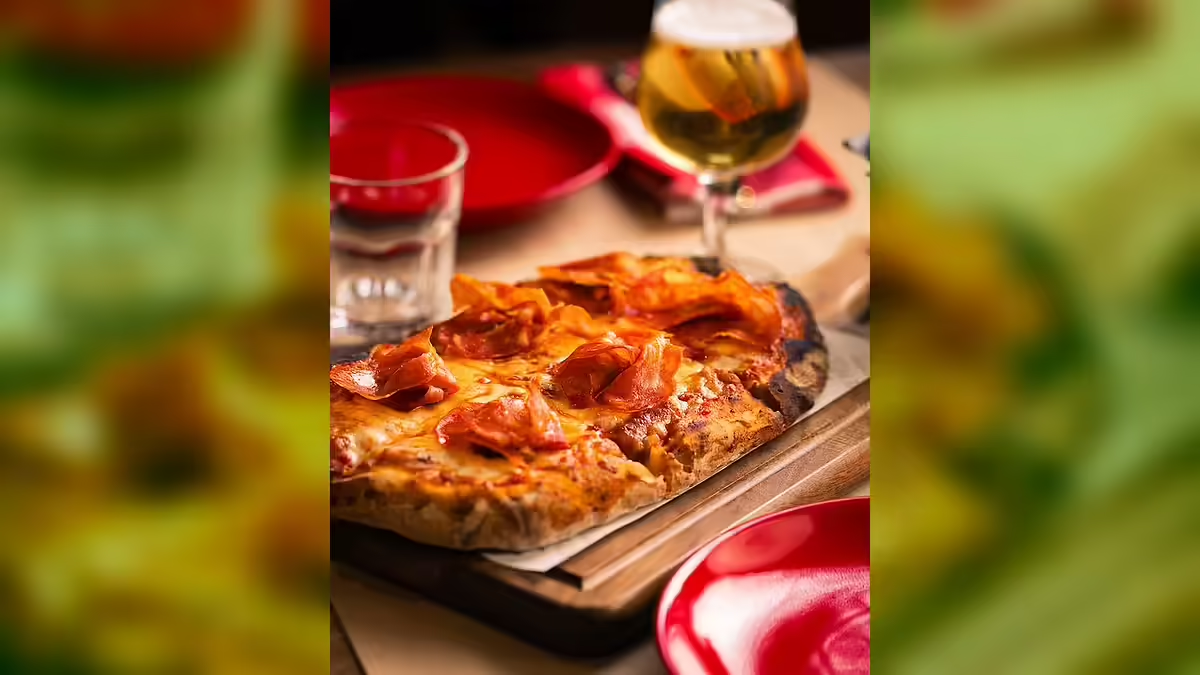
Roncolato warned that pizzas loaded with numerous toppings, including barbecue chicken, may conceal weaknesses in the dough and ingredients.
He identified the Margherita, traditionally made with tomato, mozzarella and basil, as a useful way to assess a restaurant’s pizza.
Reali also cautioned against excessive toppings, explaining that they can obscure the quality of the dough and disrupt the balance of flavours.
Seafood Pasta Covered in Heavy Sauce
Reali advised diners to be cautious about seafood pasta that is overcooked or served in excessive amounts of sauce.
He said seafood should retain its natural flavour rather than being overwhelmed by garlic, cream or other heavy ingredients.
The chef recommended choosing dishes in which fish and shellfish are properly cooked and the ingredients complement one another.
What Chefs Recommend Ordering Instead
Cacio e Pepe
Roncolato recommended cacio e pepe, a traditional pasta dish prepared with pecorino cheese, black pepper and pasta water.
He said the dish requires careful technique because its limited ingredients leave little room to conceal mistakes.
Reali added that a smooth, balanced sauce that coats the pasta properly demonstrates an understanding of the preparation method.
Fresh Handmade Pasta
Roncolato also recommended asking whether a restaurant makes its pasta in-house.
He highlighted filled pasta such as agnolotti, which requires additional preparation and attention to detail.
At The Franklin in London, the chef said the restaurant serves freshly made agnolotti filled with braised, slow-cooked duck and prepared with fresh vegetables and herbs.
Seasonal Vegetables
Reali said seasonal vegetables can be another indication that a restaurant pays attention to ingredient quality.
He cited Roman-style artichokes, including carciofi alla romana and carciofi alla giudia, as examples of dishes that rely on a small number of ingredients and careful preparation.
Homemade Desserts
Roncolato advised diners to look for desserts prepared by the restaurant rather than purchased from external suppliers.
He noted that some restaurants buy in tiramisu and panna cotta instead of making them from scratch.
He suggested that diners consider ordering tiramisu when a restaurant makes its own savoiardi biscuits, which are traditionally used in the dessert.

