
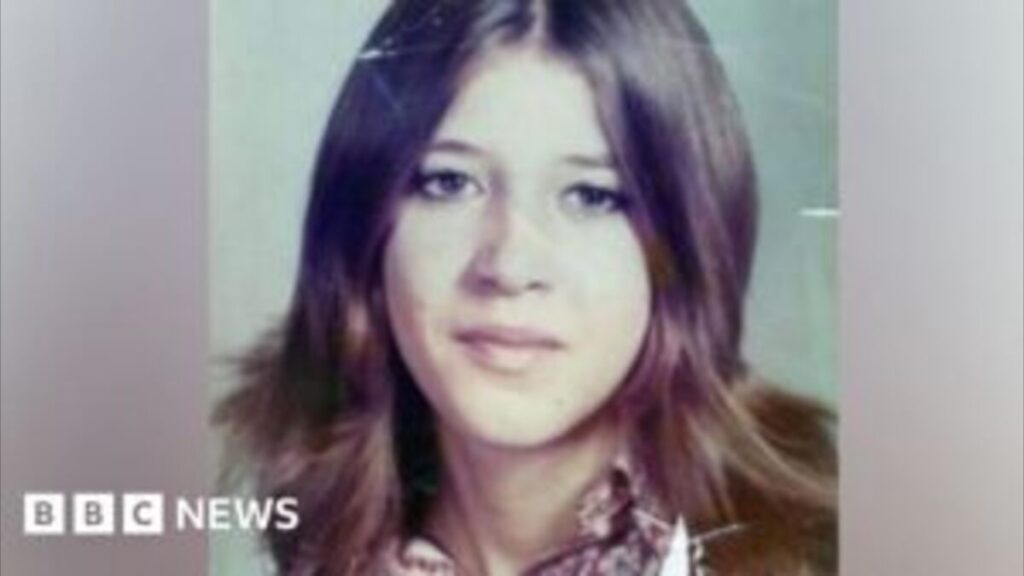
Even decades after the tragic murder of Laura, authorities are revisiting details connected to one of America’s most infamous serial killers, Ted Bundy.
Before his execution in Florida in 1989, Bundy admitted to killing her—but gave almost no details about how it happened.
His vague confession left investigators in a bind, unsure how much could be taken as fact.
Why the Case Remained Open
According to a statement from the local sheriff, Bundy’s reluctance to provide specifics meant the case couldn’t be officially closed.
Investigators wanted to ensure they could prove, “without a shadow of doubt,” that Bundy was indeed responsible.
Keeping the case open for decades allowed law enforcement to continue examining evidence, witness accounts, and forensic leads that might connect Bundy to Laura’s death.
Challenges of Bundy’s Confessions
Bundy’s confessions were notoriously unreliable.
He admitted to numerous murders, often giving conflicting stories or withholding crucial information.
Experts have long noted that his confessions were sometimes more about controlling attention than providing clarity.
In Laura’s case, his admission was a blunt acknowledgment—he confirmed involvement but gave nothing that would illuminate the circumstances of the crime.




Investigative Hurdles and Forensic Advances
Over the years, technology and methods have changed dramatically.
DNA testing and cold-case investigation techniques have evolved since the 1980s, offering hope to investigators seeking to firmly link Bundy to Laura’s murder.
However, decades-old evidence can be degraded, missing, or contaminated, making definitive proof a challenge even with modern methods.
Public Interest and Historical Context
Laura’s murder is part of a larger story of Bundy’s killing spree across multiple states, highlighting the limitations law enforcement faced at the time.
His pattern of eluding capture and manipulating confessions created a lasting impact on criminal justice procedures, particularly in handling serial homicide cases and preserving evidence for long-term investigation.
Impact and Consequences
Keeping the case open after Bundy’s death shows the lasting importance of pursuing justice, even posthumously.
It underscores the necessity of rigorous evidence standards and the difficulty of closure for families.
Cases like Laura’s have influenced reforms in record-keeping, evidence preservation, and forensic approaches in cold cases nationwide.
What’s Next
Authorities continue to examine any remaining evidence that might conclusively tie Bundy to Laura’s death.
Advances in forensic science, including genetic genealogy, could potentially yield breakthroughs.
While Bundy’s execution closed the chapter on his criminal trial, the investigation into Laura’s death remains a priority for ensuring historical accuracy and justice.
Summary
Ted Bundy confessed to killing Laura before his execution but refused to provide details, leaving the case technically unresolved.
Law enforcement has kept the case open to confirm, beyond doubt, his responsibility.
Decades of investigative work, technological advancements, and forensic analysis continue to shape efforts to close this case definitively.
Bulleted Takeaways
- Ted Bundy admitted involvement in Laura’s murder but gave no specific details
- The sheriff’s department kept the case open to ensure airtight proof
- Bundy’s confessions were often unreliable and inconsistent
- Modern forensic techniques may help confirm his role posthumously
- The case highlights the challenges of investigating serial crimes across decades
- Families of victims continue to seek closure through ongoing investigations
- Laura’s case has influenced broader practices in evidence preservation and cold-case management

