
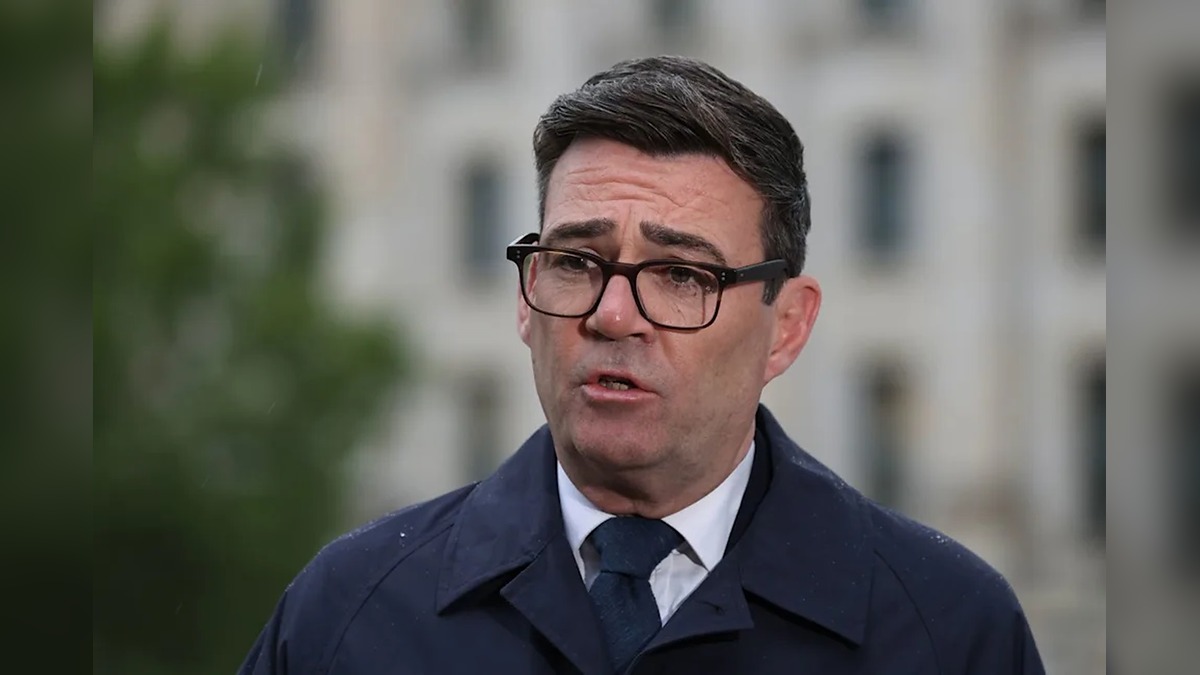
Downing Street has clarified that the government considers the outcome of the 2016 EU referendum legitimate after Andy Burnham claimed Russia interfered in the vote, prompting criticism from Conservative politicians and Reform UK leader Nigel Farage.
The clarification came hours after Burnham said he had received confirmation upon arriving at Downing Street that Russian President Vladimir Putin had meddled in the referendum.
The remarks triggered a political dispute, with opposition figures accusing the Prime Minister of reopening divisions surrounding Brexit.
A Downing Street spokesman said the government did not believe Russian interference had succeeded in changing the outcome of the referendum.
“The PM accepts the referendum result, he is not looking back he is looking to the future,” the spokesman said.
He declined to confirm whether Burnham had been presented with specific evidence supporting his claim.
Burnham Says Russia Interfered in the 2016 Referendum
Burnham made the comments during an appearance on The Rest Is Politics podcast, where he discussed Russian disinformation and its influence on European politics.
He explained that he had spoken to German Chancellor Friedrich Merz during a visit to Berlin the previous week, raising concerns about Russian activity in Germany.
“There is certainly misinformation, disinformation that is emanating from Russia into German politics,” Burnham said.
He then described asking officials at Downing Street whether Russia had interfered in the UK’s 2016 EU referendum.
“And I’ve had the clear answer that yes, there was,” he said.
Burnham argued that the UK had been too slow to communicate the extent of foreign attempts to disrupt democratic processes, leaving voters insufficiently informed about the activities of overseas adversaries.
He said making the information public was important to help voters in Germany and France understand how Russia could influence political debates in their countries.
Farage Accuses Burnham of Lying
Farage strongly rejected Burnham’s assertion, accusing him of making false claims about the referendum.
“The Prime Minister is a liar…. there was no Russian interference and the Russia hoax runs all the way through this,” Farage told a press conference.
Conservative politicians also criticised the comments, arguing that acknowledging attempts at foreign interference should not be confused with suggesting that the referendum result was illegitimate.
Tory frontbencher Andrew Bowie told Times Radio that Burnham’s remarks were “dangerous and divisive”.




Bowie acknowledged that Russia, Iran and other countries had attempted to interfere in elections and referendums in the UK and among its allies over many years.
However, he insisted that the Brexit referendum remained a legitimate democratic vote.
“People voted in this country in record numbers to leave the European Union,” he said.
Bowie also criticised the Prime Minister for reopening the debate in what he described as an explosive manner, arguing that the government should focus on making the most of the UK’s position outside the EU.
Foreign Minister Says Russia Failed to Undermine Elections
Foreign minister Stephen Doughty also appeared to distance himself from the suggestion that Russian interference had altered the referendum outcome.
Speaking to LBC, Doughty said there was no indication that Russia had succeeded in its attempts to undermine British elections.
“I don’t think they’ve succeeded in their efforts to undermine our elections,” he said.
He referred to previous evidence provided by the security minister, who had stated that Russia had attempted to interfere but had not succeeded.
Doughty nevertheless maintained that foreign interference remained a genuine concern and that the UK needed to stay alert to such activities.
His comments echoed Downing Street’s position that attempts to interfere with democratic processes did not mean the referendum result had been changed.
Burnham Reopens Debate Over Britain’s EU Membership
The dispute over Russian interference comes as Burnham prepares to renew the debate over Britain’s relationship with the European Union.
He recently suggested that he could support the UK rejoining the bloc, despite previously promising not to pursue that position before taking over from Keir Starmer.
During a party conference speech last week, Burnham told pro-European activists that he wanted to explore different options for the UK’s relationship with the EU.
These included the possibility of committing to rejoin the bloc in the party’s next election manifesto.
He declined to specify whether another referendum would be necessary before Britain could return to EU membership.
The comments reopened a contentious issue in British politics, with the question of closer European integration once again featuring prominently in the political debate.
Prime Minister Prepares to Challenge Brexit’s Record in Parliament
The Prime Minister is due to address MPs in the House of Commons, arguing that Britain’s departure from the EU has failed to deliver the benefits that were promised.
The statement is expected to form part of the government’s preparations for a summit with the EU next month, where closer relations between Britain and the bloc will be discussed.
A Downing Street source defended the government’s approach, saying Burnham understood why some politicians were reluctant to acknowledge the shortcomings of Brexit.
The source said the country needed a different discussion about its long-term relationship with the EU.
“Sticking with the status quo and not working relentlessly to secure a good deal that boosts growth would be a major dereliction of duty,” the source said.
The government has maintained that closer cooperation with Brussels should be considered on its merits, while the debate over whether Britain should eventually seek to rejoin the bloc remains politically divisive.
Conservatives Defend the Referendum Result
Bowie argued that the best way to address continuing disagreements over Brexit was to focus on the opportunities available to Britain outside the EU rather than reopen arguments about the referendum.
He pointed to the trade agreements secured by the UK and the potential advantages of remaining outside the bloc.
He also cited Britain’s exemption from tariffs introduced by US President Donald Trump earlier in the year as an example of a potential benefit of Brexit.
Bowie’s comments reflected the Conservative position that, regardless of allegations concerning foreign interference, the referendum represented a legitimate expression of the electorate’s decision to leave the European Union.
