
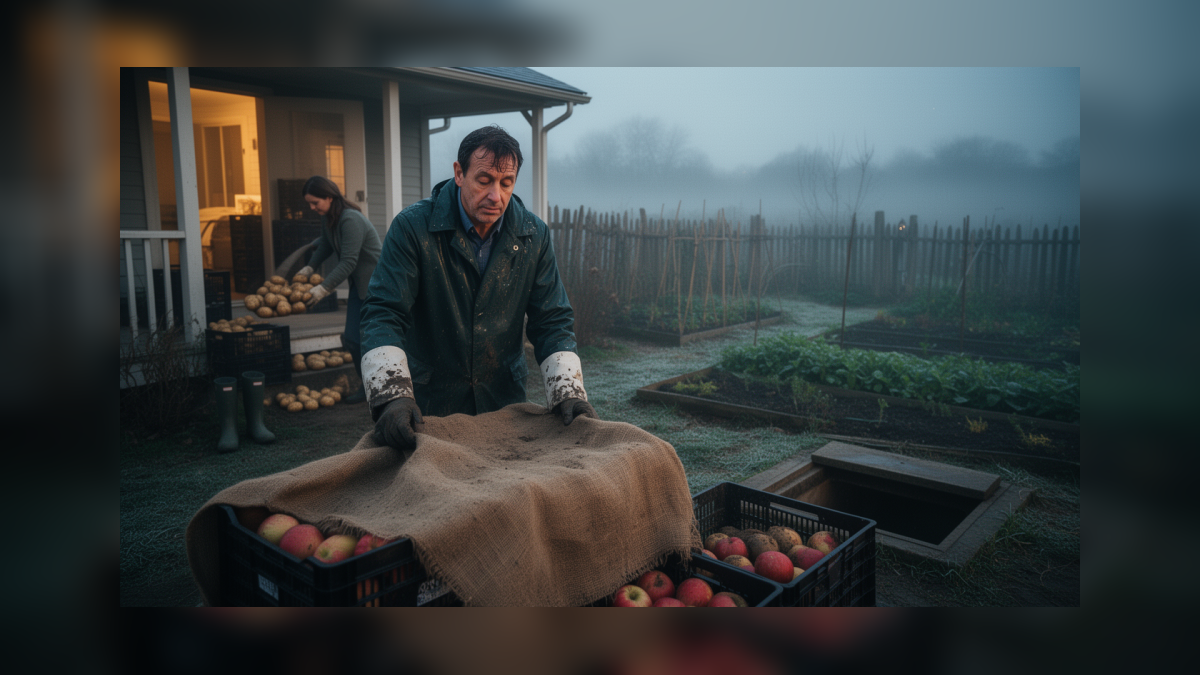
As October brings shorter days and colder nights, gardeners growing tomatoes outdoors or in greenhouses may need to bring the growing season to an end.
Falling overnight temperatures, increased humidity and cold dew can create conditions that encourage fungal diseases. Harvesting green tomatoes before the weather deteriorates can help protect the remaining crop.
However, not every green tomato will successfully ripen after being picked. Choosing fruit at the appropriate stage of development is therefore important.
Size and Colour Help Identify Mature Green Tomatoes
The most suitable tomatoes for post-harvest ripening are those that have already reached the full size expected for their particular variety.
Their skin should generally have a glossy appearance, with the deep green colour beginning to change toward a creamy or yellowish shade.
These signs indicate that the fruit has reached a sufficient stage of development to continue the ripening process after being removed from the plant.
Small Dark-Green Fruit May Not Ripen Well
Tomatoes that remain small and dark green are less suitable for harvesting with the expectation that they will develop the flavour and texture of a mature fruit.
Although some may eventually change colour, their final quality can be significantly poorer.
Gardeners are therefore better off prioritising fully developed fruit when deciding which tomatoes to bring indoors.
Damaged Tomatoes Should Be Separated
Health is another important consideration when preparing tomatoes for storage.
Fruit with deep cracks, signs of late blight or visible rot should be removed immediately rather than stored with healthy tomatoes.
Damaged or infected fruit can deteriorate quickly and increase the risk of decay spreading through a stored batch.
Temperature Matters More Than Sunlight
Once tomatoes have been harvested, temperature is one of the most important factors affecting how quickly they ripen.
At normal room temperature, the fruit can continue developing as starches are converted into sugars and the tomato gradually becomes softer.




Keeping tomatoes somewhere cooler slows the process and can extend the period over which they can be stored.
Refrigeration Is Not Recommended
Putting green tomatoes in a refrigerator is generally not advised for post-harvest ripening.
Very low temperatures can interrupt the natural ripening process and negatively affect the fruit’s flavour.
Instead, gardeners can use a room-temperature location for faster ripening or a cooler area when they want to slow the process.
Use Shallow Containers for Better Airflow
Harvested tomatoes can be placed in shallow cardboard boxes or crates to make storage easier.
The fruit should ideally be arranged in only one or two layers. This reduces pressure and crushing while allowing gardeners to inspect the tomatoes regularly.
Good airflow and easy access also make it simpler to identify fruit that begins to deteriorate.
Ethylene Can Speed Up Ripening
Gardeners looking to accelerate the process can make use of ethylene, a naturally occurring gas involved in fruit ripening.
Placing green tomatoes inside a paper bag or enclosed container with a ripe apple, banana or red tomato can increase the amount of ethylene around the fruit and encourage faster colour development.
The method requires regular monitoring, however, because decay can spread quickly in an enclosed environment if one of the tomatoes is already damaged.
For larger quantities of fruit, open-air storage may therefore be a safer option.
Check Stored Tomatoes Every Few Days
Post-harvest tomatoes should not simply be left unattended.
A check every two or three days allows gardeners to remove tomatoes that have begun to deteriorate and prevent problems from spreading to otherwise healthy fruit.
Fully coloured tomatoes can be removed for eating, while fruit with soft spots, mould or an unusual smell should be discarded.
A Gentle Touch Can Reveal Problems
Visual inspection is useful, but it may not always reveal early deterioration.
Gardeners can gently press the tomatoes during their regular checks. Some fruit may begin decomposing internally before obvious changes become visible on the skin.
Removing such tomatoes promptly helps protect the rest of the stored crop.
Careful Selection Can Preserve the Harvest
The arrival of colder October conditions does not necessarily mean the end of the tomato harvest.
By selecting healthy, full-sized green tomatoes, protecting them from unsuitable temperatures and checking them regularly, gardeners can continue the ripening process indoors.
Proper storage can allow mature green fruit to develop colour and flavour after leaving the vine, helping extend the useful life of the season’s crop.

