
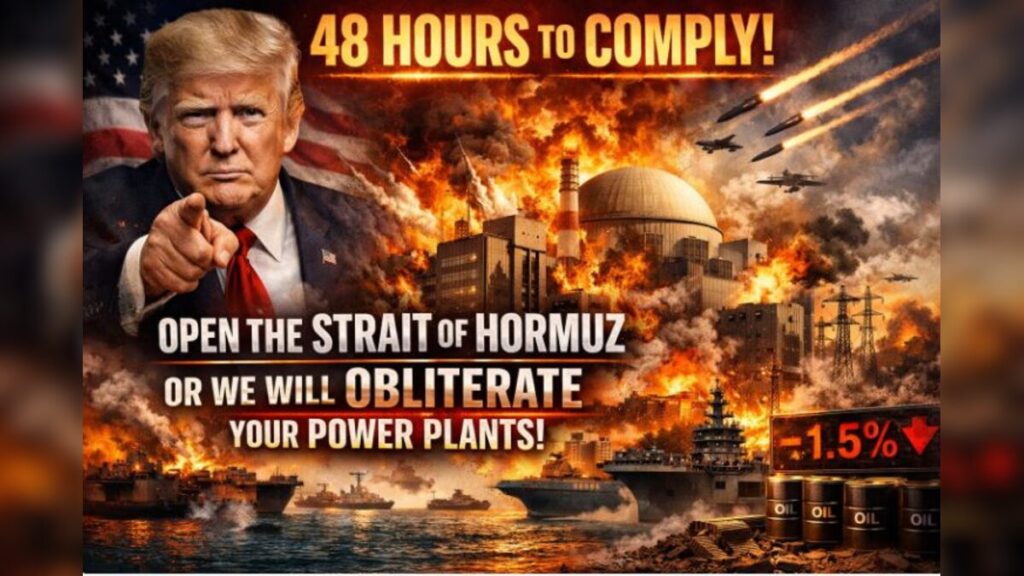
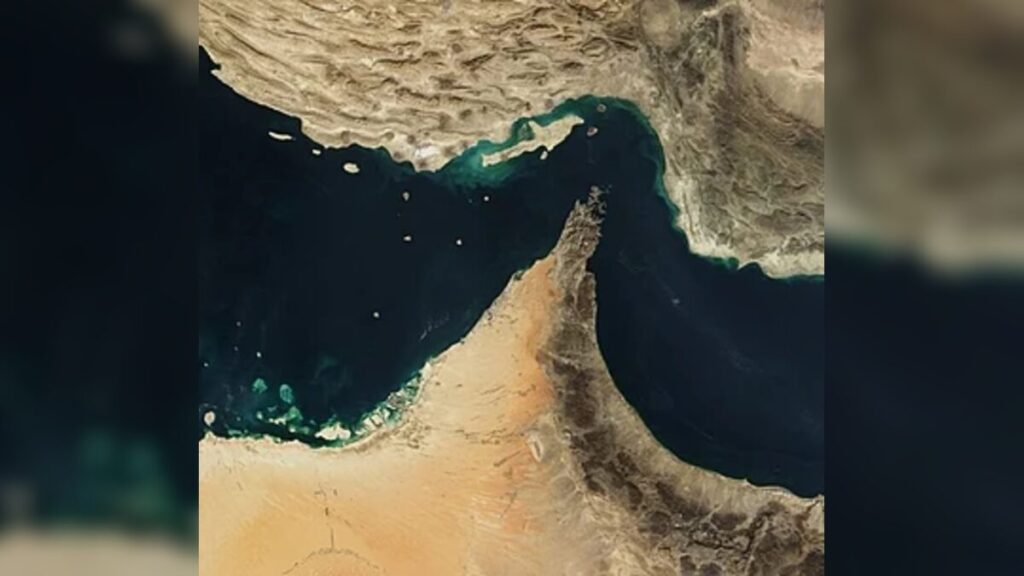
A large group of international leaders has come together to voice serious concern over rising instability in the Strait of Hormuz.
Countries including the United Kingdom, France, Germany, Japan, Canada, and Nigeria joined others in a coordinated statement addressing the growing crisis.
The coalition sharply criticized recent actions by Iran, accusing it of endangering commercial shipping and global energy routes.
Attacks on Ships and Energy Sites Spark Outrage
Leaders condemned reported strikes on unarmed commercial vessels navigating the Gulf.
They also pointed to attacks on oil and gas infrastructure, warning that such actions increase the risk of wider instability.
According to the joint statement, Iran’s moves have effectively restricted access to one of the most critical shipping lanes in the world.
Demand for Immediate De-escalation
The coalition is calling on Iran to immediately stop all hostile activity.
This includes halting missile and drone attacks, removing naval mines, and ending any attempts to block maritime traffic.
Leaders also urged compliance with international obligations under the United Nations Security Council framework.
Global Trade and Law at Risk
The statement emphasized that freedom of navigation is a cornerstone of international law.
Maintaining open sea routes is essential for global trade and economic stability.
Leaders warned that interference in the Strait threatens not just regional peace but the broader international system.




Energy Markets Face Growing Pressure
Disruptions in the Strait are already affecting global oil supply chains.
In response, the International Energy Agency has approved the release of emergency oil reserves.
Countries are also working with major producers to increase output and stabilize prices.
Coalition Signals Willingness to Act
The group of nations said they are prepared to support efforts to ensure safe passage through the waterway.
Some have already begun planning coordinated maritime security measures.
They also pledged support for countries most affected by the disruptions, including financial and humanitarian assistance.
Impact and Consequences
The crisis threatens to disrupt global energy supplies and increase fuel prices worldwide.
Countries that rely heavily on imported oil could face serious economic pressure.
The situation also raises the risk of military escalation if tensions continue to rise.
Prolonged instability in the region could affect global trade and financial markets.
What’s Next?
Diplomatic efforts are expected to intensify as leaders push for de-escalation.
There may also be increased international coordination to protect shipping routes.
Further economic or political measures could be introduced if the situation does not improve.
Energy market stabilization will remain a key priority in the coming weeks.
Summary
Global leaders have issued a unified warning over rising tensions in the Strait of Hormuz.
They have condemned Iran’s actions and called for an immediate halt to disruptions.
Efforts are now focused on protecting global trade, stabilizing energy markets, and avoiding further escalation.
The situation remains highly sensitive with worldwide implications.
Bulleted Takeaways
- Global leaders condemn Iran over Strait of Hormuz disruptions.
- Attacks reported on commercial vessels and energy infrastructure.
- Coalition demands immediate halt to hostile actions.
- Freedom of navigation emphasized as critical global principle.
- Energy markets reacting to supply chain disruptions.
- Emergency oil reserves released to stabilize prices.
- Countries preparing to secure key shipping routes.
- Economic impact expected to hit vulnerable nations hardest.
- Risk of wider conflict continues to grow.
- Diplomatic pressure on Iran likely to increase.
