
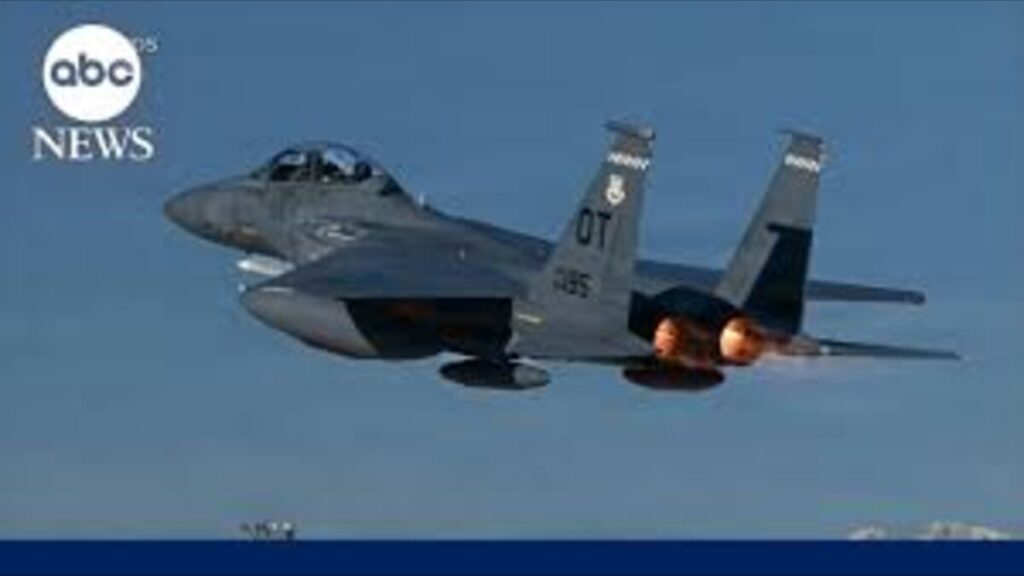
In a dramatic escalation in the Middle East, US special forces carried out a high-stakes operation in Iran late Friday to rescue a missing airman after two American fighter jets were downed.
The situation unfolded quickly, leaving military officials and intelligence agencies racing against time to secure the remaining crew member.
Two Fighter Jets Downed in Rapid Succession
Reports indicate that an A-10 Warthog and an F-15E Strike Eagle were both shot down by Iranian air defenses on the same day.
Iranian state media released footage showing what appeared to be the A-10 being destroyed mid-air.
The F-15E reportedly went down hours earlier, forcing its crew to eject over enemy territory.
US forces successfully rescued the pilot of the A-10 in a daring mission.
However, the weapons systems officer of the F-15E remained unaccounted for, prompting an urgent search operation by both US and local forces.



Iran Offers Bounty as Tensions Mount
Amid the chaos, Iranian authorities reportedly offered a $60,000 bounty for the capture of the missing US airman.
Images broadcast by Iranian media show local militias actively searching the region.
The US government, including President Donald Trump, has refrained from commenting on potential retaliatory measures should the airman be harmed, leaving international observers on edge.
Israel Strikes Tehran Amid Rising Conflict
Adding to the volatility, the Israeli Defense Forces (IDF) announced that it had struck “key infrastructure” targets in Tehran.
The IDF described the attacks as part of a strategic campaign to weaken what it calls the Iranian terror regime’s core systems and foundations.
These developments highlight the rapidly expanding regional tension and the risk of broader conflict.
Strategic and Military Implications
The shootdowns and ensuing rescue mission carry several immediate consequences:
- Operational pressure: US forces are under immense stress to locate and recover personnel in hostile territory.
- Regional tension: Iran’s willingness to shoot down US aircraft increases the risk of wider escalation in the Gulf.
- International response: Allies and global powers are closely monitoring events, weighing political, economic, and military ramifications.
Impact and Consequences
The incidents are likely to influence both short-term military strategy and long-term geopolitical dynamics:
- US-Iran relations: Already tense, these actions could trigger retaliatory strikes or heightened sanctions.
- Military posture: The US may increase air and special operations presence in the region.
- Civilian risk: The escalation poses dangers to commercial air traffic and local populations in southern Iran.
- Global markets: Energy and defense sectors are already sensitive to Middle East conflicts, potentially affecting oil prices and international security policies.
What’s Next?
The immediate focus remains on locating the missing F-15E crew member. Intelligence gathering, drone surveillance, and ground operations will likely intensify in coming days. Meanwhile, diplomatic channels may see increased activity as regional powers attempt to contain escalation.
Analysts suggest that how Iran responds to US military operations and the fate of the missing pilot could set the tone for future US-Iran interactions, potentially influencing broader Middle East stability.
Summary
Two US fighter jets were downed over Iran, prompting a high-risk rescue operation by US special forces. One pilot was successfully recovered, while a second remains missing amid Iranian bounty offers and militia searches. Tensions are further complicated by Israeli strikes in Tehran, escalating military, political, and economic concerns in the region.
Bulleted Takeaways
- Two US jets, an A-10 Warthog and an F-15E Strike Eagle, were downed over Iran.
- US special forces rescued the A-10 pilot, but the F-15E weapons officer is still missing.
- Iran reportedly offered a $60,000 bounty for the missing airman.
- Israeli Defense Forces conducted strikes on “key infrastructure” in Tehran.
- President Trump has not commented on potential retaliatory action.
- The events increase military, political, and regional tensions in the Middle East.
- Analysts warn of potential escalation affecting global markets and energy security.

