
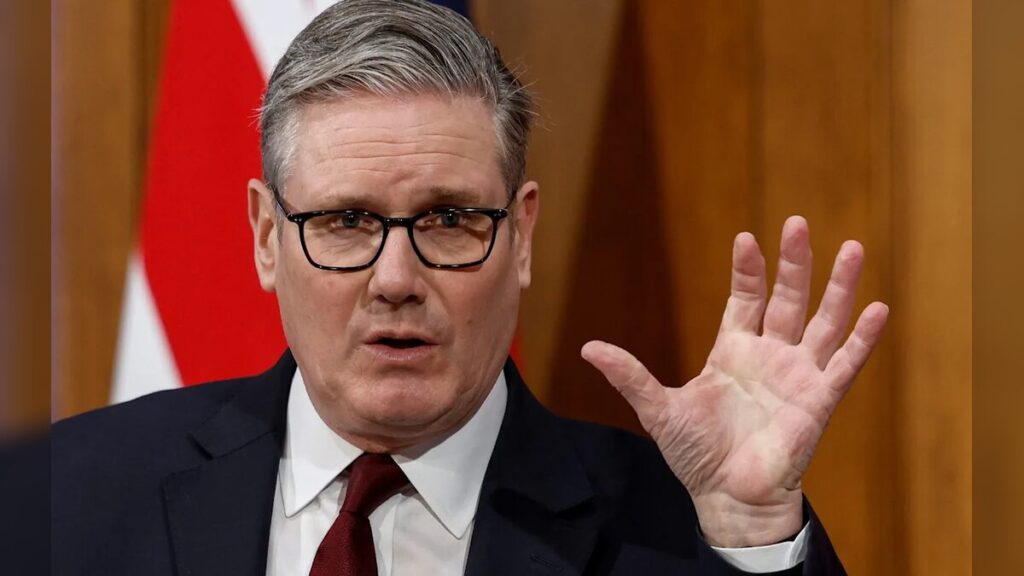
The UK Government has rolled out a series of new measures designed to help households manage rising living costs.
The changes, which take effect from April 1, 2026, are focused on boosting incomes, lowering expenses, and increasing support for vulnerable groups.
Wage Increases for Millions of Workers
One of the most significant updates is the rise in the National Living Wage.
It has been increased to £12.71, benefiting around 2.4 million workers.
The National Minimum Wage has also gone up to £10.85.
This change is expected to support over 200,000 younger workers across the country.
Energy Bills Reduced for Households
Millions of households will see their energy bills reduced by an average of £117 per year.
This reduction is secured until the end of June.
The move builds on existing support schemes aimed at reducing the financial burden of energy costs.
Additional Support for Vulnerable Groups
A new Crisis and Resilience Fund has been introduced with £1 billion in funding.
The initiative is designed to help vulnerable households manage essential expenses such as heating.
Prescription charges have also been frozen.




This ensures people will not pay more than £10 for necessary medications.
Broader Efforts to Stabilize Costs
The government has also pointed to earlier steps taken to address living costs.
These include extending the energy price cap and continuing fuel duty cuts.
Additional funding has been allocated to households affected by rising heating oil costs.
Officials say these combined efforts aim to provide both immediate and long-term relief.
Global Factors Influencing Prices
Keir Starmer highlighted the impact of global instability on domestic prices.
He noted that tensions in the Middle East are contributing to higher costs.
Efforts are ongoing to work with international partners to reduce these pressures.
Impact and Consequences
The measures are expected to provide financial relief to millions of households.
Higher wages may improve living standards for lower-income workers.
Reduced energy costs could ease pressure on household budgets.
However, global factors may still influence long-term price stability.
What’s Next?
The government is expected to continue monitoring economic conditions.
Further measures may be introduced depending on global developments.
Efforts to stabilize energy markets and reduce international tensions are likely to remain a priority.
Summary
The UK has introduced new measures to help ease the cost of living.
These include wage increases, lower energy bills, and expanded support programs.
Officials say the changes are part of a broader effort to protect households during economic uncertainty.
Bulleted Takeaways
- UK government introduced new cost of living measures.
- National Living Wage increased to £12.71.
- National Minimum Wage raised to £10.85.
- Energy bills reduced by average £117 annually.
- Crisis and Resilience Fund launched with £1 billion.
- Prescription costs frozen below £10.
- Additional support targets vulnerable households.
- Measures build on earlier economic policies.
- Global tensions impacting domestic prices.
- Government may introduce further support if needed.
