
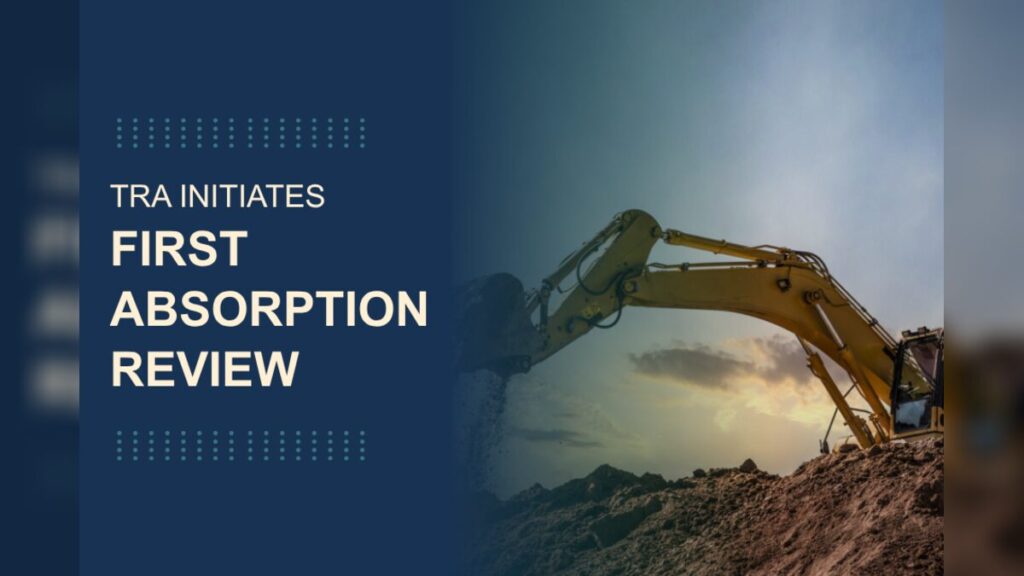
A new chapter has opened in the UK’s trade enforcement efforts as the Trade Remedies Authority (TRA) launches its very first absorption review.
Announced on March 30, 2026, the move signals growing attention on whether existing trade protections are actually working as intended.
What This Review Is Really About
Absorption reviews are not your everyday investigations.
They are designed to test whether anti-dumping measures—taxes placed on unfairly cheap imports—are genuinely influencing market prices or simply being “absorbed” by exporters or importers.
In simple terms, the TRA is asking: Are these duties making imported goods more expensive, or are companies quietly offsetting the costs so prices remain unchanged?
Why Excavators Are Under the Spotlight
The trigger for this review came from a UK-based excavator manufacturer that raised concerns about imported machines.
According to the complaint, anti-dumping duties introduced in May 2025—and even earlier provisional measures from December 2024—may not be doing their job.
These measures target excavators imported from China, specifically machines weighing between 11 and 80 tonnes.
The duties currently range from 18.81% for certain exporters up to 40.08% for others.
The concern is straightforward: despite these tariffs, the prices of imported excavators may not have risen enough to protect domestic producers.
What Investigators Will Examine
To get to the bottom of the issue, the TRA will dig into several pricing layers:




- Export prices from foreign suppliers
- Resale prices within the UK market
- Final selling prices to customers
- External factors that could influence pricing trends
The goal is to determine whether the duties have genuinely pushed prices upward—or if market players have found ways to absorb the costs.
What Happens After the Review
Once the investigation wraps up, the TRA will submit its findings to the Secretary of State for Business and Trade.
Two outcomes are possible:
- The duties remain unchanged
- The duties are adjusted—either increased, reduced, or selectively applied
Any changes could affect some or all of the excavators covered under the current rules.
How Stakeholders Can Get Involved
Businesses and other interested parties are not left out of the process.
They can participate by registering on the TRA’s public file before April 14, 2026, ensuring their perspectives are considered during the review.
Understanding the Bigger Framework
The TRA operates as the UK’s frontline defense against unfair trade practices.
Its authority stems from laws like the Taxation (Cross-Border Trade) Act 2018 and the Trade Act 2021, which align the country’s trade policies with global standards set by the World Trade Organisation.
Impact and Consequences
This review could reshape the competitive balance in the UK construction equipment market.
If duties are found ineffective and subsequently increased, imported excavators may become more expensive, giving local manufacturers a stronger foothold.
On the flip side, importers and construction firms that rely on cheaper machinery could face rising costs, potentially affecting project budgets and timelines.
What’s Next?
The investigation phase will involve data collection, stakeholder input, and detailed price analysis.
Once complete, the TRA’s recommendation will determine whether current protections stay in place or are recalibrated.
Market players will be watching closely, as any adjustment could ripple across supply chains and pricing strategies.
Summary
The UK’s trade watchdog has stepped into new territory with its first-ever absorption review, focusing on excavator imports from China.
At the heart of the probe is a critical question: are anti-dumping duties truly protecting domestic industries, or are they being quietly neutralized in the market?
Bulleted Takeaways
- The TRA has launched its first absorption review targeting excavator imports
- A UK manufacturer claims anti-dumping duties are not influencing prices
- Current duties range between 18.81% and 40.08%
- The review will analyze export, resale, and final selling prices
- Outcomes may include maintaining or adjusting the duties
- Stakeholders must register by April 14, 2026, to participate
- The decision could impact both domestic producers and import-dependent businesses
