
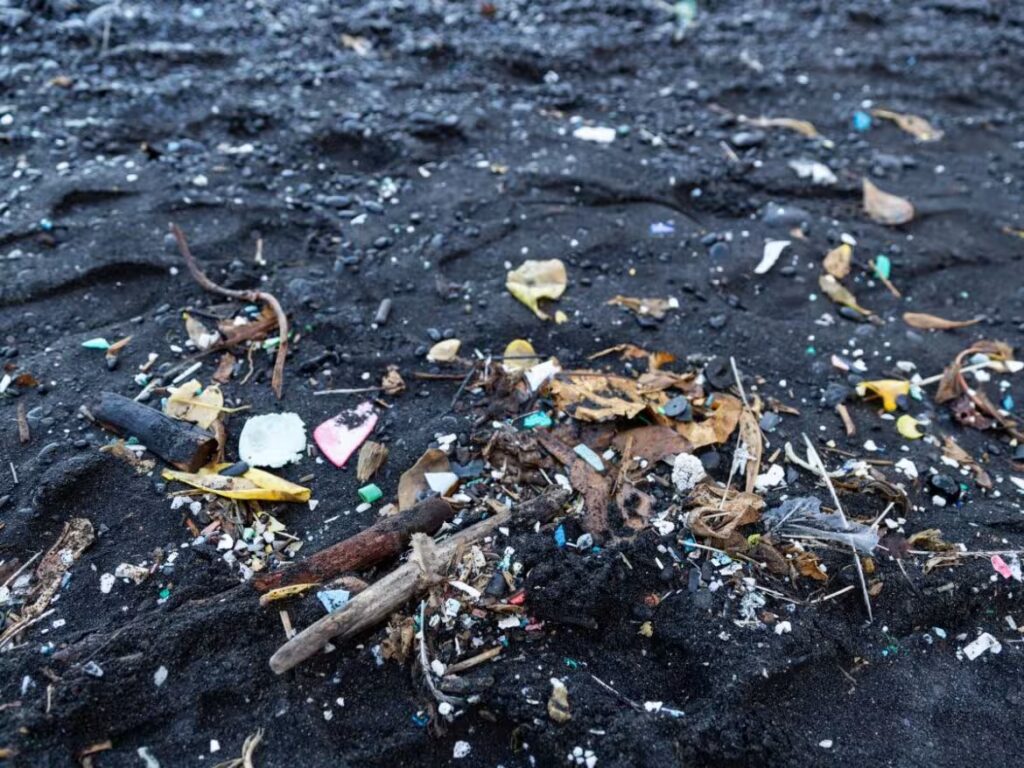
A striking scene unfolded along the Tisza River this February as large amounts of garbage were carried downstream from Ukraine toward Hungary.
The unusual sight was caused by a combination of warm weather and rapid snowmelt, which sharply increased the river’s water level.
Warm Spell Sparks River Surge
The February warm spell accelerated melting across the Carpathian region, sending torrents of water into the Tisza.
The strong current dislodged waste that had accumulated along the riverbanks over the winter.
Items swept away included branches, plastic bottles, bags, and even an old boat, creating a floating jumble of debris visible for kilometers downstream.
Scenes from Balsa, Hungary
Footage captured on February 1 in the town of Balsa, Szabolcs-Szatmár-Bereg County, shows a river surface densely covered with trash and drifting wood.
The video highlights how debris from upstream Ukraine eventually reaches Hungarian territory, carried along by the seasonal surge.
Residents and local authorities are accustomed to seeing waste appear after heavy rains or seasonal floods.


Such events reveal the accumulated trash along riverbanks, which is then swept into the water during periods of high flow.
In previous years, ice and melting snow have contributed to similar episodes, turning parts of the Tisza into a floating garbage corridor near the Ukrainian border.
Environmental Concerns
These flood-driven debris flows are more than just unsightly.
They raise concerns about water pollution, the health of aquatic life, and the long-term impact on river ecosystems.
Plastics and other non-biodegradable materials can travel long distances, affecting both Ukrainian and Hungarian stretches of the river.
Local authorities sometimes attempt cleanup operations, but the scale of the problem and the natural flow of the river make it challenging.
What’s Next
Environmental experts warn that the combination of climate change, warmer winters, and increased human waste along rivers could make such events more frequent.
Coordinated efforts between upstream and downstream countries are essential to reduce river pollution.
In the short term, local authorities in Hungary may monitor the Tisza for further debris and plan cleanup operations as water levels drop.
Summary
The Tisza River recently carried large amounts of garbage from Ukraine into Hungary after a warm spell accelerated snowmelt.
Branches, plastics, and even a discarded boat were swept downstream, creating a dense layer of floating debris.
While not unusual during seasonal floods, the event highlights ongoing environmental challenges for rivers shared across borders.
Authorities and environmentalists continue to call for greater cooperation and preventive measures to reduce pollution and protect river ecosystems.

