
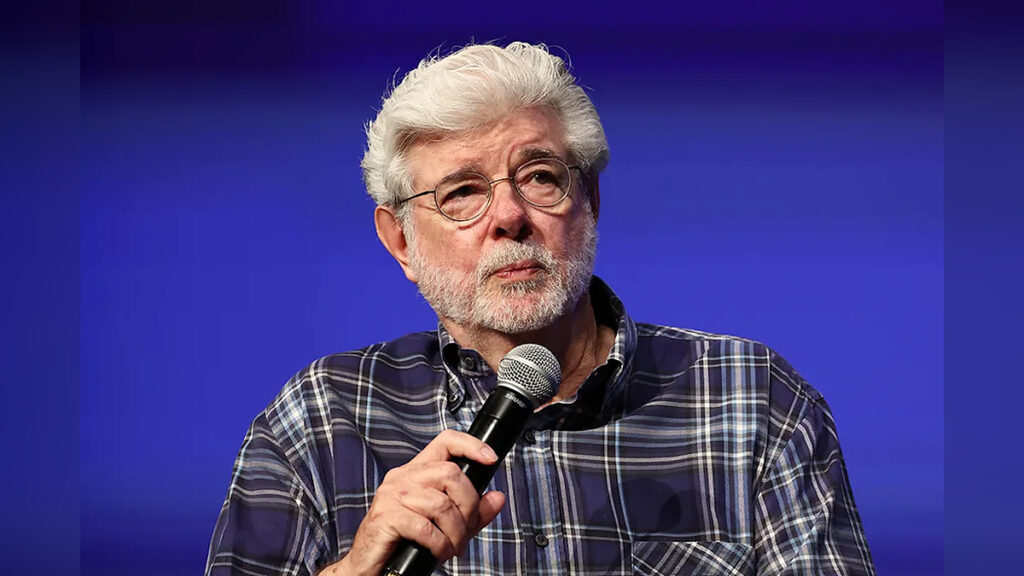
Artificial intelligence is set to become an unavoidable part of filmmaking, according to legendary filmmaker George Lucas, who believes the entertainment industry should embrace the technology rather than resist it.
Speaking in a recent interview, the Star Wars creator argued that AI represents the next stage of cinematic evolution and will make movie production more accessible for filmmakers.
Lucas Sees AI as the Future of Filmmaking
During an interview with A Rabbit’s Foot, the 82-year-old director said artificial intelligence will fundamentally transform the filmmaking process by making it easier to create movies.
He dismissed attempts to prevent AI from becoming part of Hollywood, describing technological advancement as inevitable.
Lucas compared skepticism surrounding AI to past resistance toward the arrival of automobiles, suggesting that every major technological shift initially attracts criticism before becoming widely accepted.
In his view, opposing AI is ultimately as futile as wishing society had remained dependent on horse-drawn transportation.
Technology Can Improve Verification and Accountability
Beyond simplifying production, Lucas highlighted practical ways AI could benefit the film industry.
He suggested that artificial intelligence could help determine whether digital content is authentic and identify its origin—tasks he believes are beyond human capability alone.
Despite advocating for wider AI adoption, Lucas stressed that accountability should always remain with people rather than machines.
He maintained that individuals must continue to take responsibility for their actions and face consequences if technology is used unlawfully or unethically.
Creative Decisions Should Stay With Filmmakers
While optimistic about artificial intelligence, Lucas expressed a far less favorable opinion of another long-standing Hollywood practice: relying on audience focus groups to influence storytelling.




He argued that viewers often cannot predict what they truly want before seeing a finished film.
Although audience reactions can provide useful insight into why certain characters or storylines resonate—or fail to resonate—Lucas believes those opinions should inform filmmakers rather than dictate creative choices.
Criticism of Studio Reliance on Fan Feedback
Lucas also criticized film studios for placing excessive emphasis on audience testing and fan expectations during production.
According to him, successful movies are created by filmmakers with a clear creative vision, compelling stories, and genuine passion—not by committees attempting to satisfy every audience preference.
He warned that allowing focus groups to shape a film risks undermining originality and weakening the storytelling process.
Emotional Storytelling Remains the Heart of Cinema
The filmmaker emphasized that audiences ultimately visit theaters because stories create emotional connections.
Regardless of technological advances, Lucas said cinema remains an emotional art form, and that emotional impact—not market research—should remain the foundation of filmmaking.
He believes talented storytellers, rather than audience polling, are best equipped to craft films that leave lasting impressions.
Star Wars Criticism Became a Lesson in Creative Confidence
Lucas pointed to decades of criticism surrounding characters from the Star Wars franchise as evidence that public opinion can change over time.
He recalled widespread complaints about characters such as Jar Jar Binks, while noting that earlier figures including R2-D2 and C-3PO also faced criticism when they first appeared.
He added that the Ewoks encountered similar backlash upon their introduction in Return of the Jedi, illustrating his belief that immediate fan reactions should not determine creative direction.
What’s Next?
As artificial intelligence becomes increasingly integrated into filmmaking, debates over its role in Hollywood are expected to intensify.
Lucas’ comments add the perspective of one of cinema’s most influential directors to an industry-wide discussion balancing technological innovation, artistic creativity, and human responsibility.
His remarks suggest that while AI may reshape how movies are made, he believes emotional storytelling and creative vision will remain the defining qualities of great cinema.
Summary
George Lucas believes artificial intelligence will become an essential part of Hollywood despite ongoing resistance from parts of the film industry.
He argues that AI can improve filmmaking and content verification while insisting that humans must remain accountable for how the technology is used.
Lucas also criticized Hollywood’s reliance on focus groups and fan feedback, maintaining that emotionally driven storytelling created by passionate filmmakers—not audience polling—is the key to making memorable films.
