
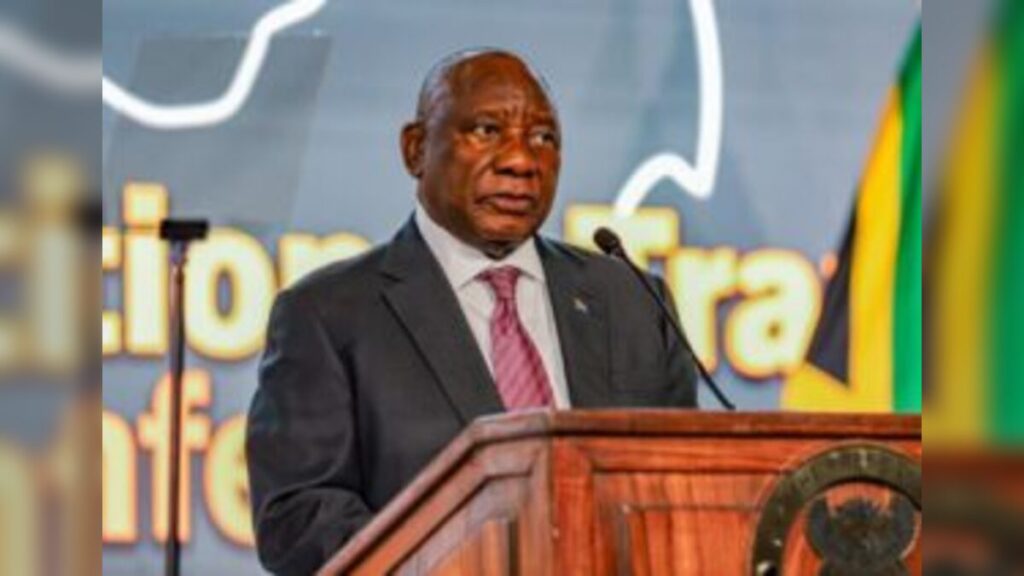
As fuel prices continue their upward march, hitting wallets across the nation, President Cyril Ramaphosa has indicated that the government is exploring additional measures to ease the burden on households.
Speaking at the Truth and Reconciliation Commission Housing Assistance Reparations launch, Ramaphosa acknowledged that while temporary relief efforts exist, more may be needed to tackle the ongoing global fuel crisis.
Government Interventions So Far
The government has already implemented a temporary R3 reduction in the general fuel levy, coordinated by the National Treasury and the Department of Mineral Resources and Energy (DMRE).
This move was designed to provide immediate relief for consumers, but many social media users argue that these measures are not enough, especially for families already feeling the pinch from rising living costs.
Global Factors Driving Local Pain
Ramaphosa highlighted that global events, particularly the ongoing conflict in the Middle East, are contributing to surging oil and fuel prices.
The ripple effect has extended beyond petrol, pushing up food prices and other essentials.
“The rise in the price of oil and petrol is affecting us.
That is why we made the intervention to cushion South Africans,” he said, also calling for a ceasefire in the conflict.



How Other Countries Are Coping
South Africa is not alone in grappling with fuel price pressures.
Various governments have experimented with innovative measures to limit consumption and ease the financial strain on citizens:
- Thailand – Citizens are encouraged to work from home, use public transport, and carpool to reduce fuel reliance.
- Sri Lanka – Public sector workers get Wednesdays off to curb fuel use, though the policy is under review.
- Indonesia – Weekly work-from-home arrangements and limits on fuel sales are being enforced to manage demand.
These examples highlight the variety of strategies countries are using to mitigate the economic impact of rising fuel costs.
Impact and Consequences
If further relief measures are delayed or insufficient:
- Household budgets will remain strained, potentially affecting food security and essential services.
- Social unrest could rise as frustrations over costs mount.
- Economic growth may slow, particularly in sectors heavily reliant on transport and logistics.
- Regional competitiveness could be affected if fuel remains more expensive than in neighboring countries.
The situation underscores the delicate balance governments face between fiscal policy and public welfare.
What’s Next?
Ramaphosa’s government is reportedly weighing additional interventions.
Possible next steps could include:
- Further reductions in fuel levies or taxes
- Subsidies for public transport or essential services
- Incentives for businesses to adopt remote work or energy-saving measures
- Strategic engagement with global partners to stabilize oil supply and prices
The coming weeks will likely show whether South Africa’s strategies will be sufficient or if more aggressive measures are needed.
Summary
Rising global fuel prices, compounded by geopolitical conflicts, are hitting South Africans hard.
President Ramaphosa has indicated that the government is considering more measures to ease the financial strain, building on the temporary R3 fuel levy reduction.
Lessons from countries like Thailand, Sri Lanka, and Indonesia suggest creative approaches to managing demand, but the effectiveness of any measures will depend on timely implementation and public cooperation.
Bulleted Takeaways
- President Ramaphosa signals potential additional interventions to ease fuel costs
- Temporary R3 fuel levy reduction already in place but seen as insufficient by many
- Global events, particularly the Middle East conflict, are driving local price hikes
- Other countries use strategies like remote work, fuel limits, and public sector holidays
- Economic, social, and regional consequences loom if fuel pressures persist

